



What are the effects of plastics on humans and the environment?
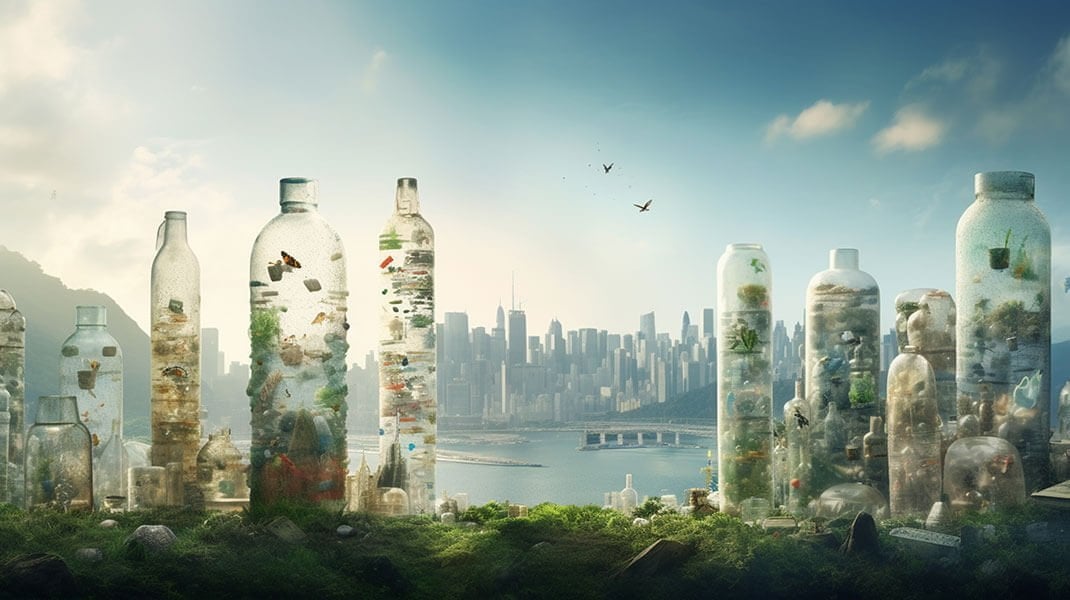

Plastics are a significant technological innovation of the 20th century, offering flexibility in product manufacturing, durability, and low cost. However, the production and use of plastics have multiple impacts on the environment.
1. Overproduction of plastic waste: It is estimated that more than 300 million tons of plastic are produced annually. Many of these end up in landfills, in the oceans, or are burned, releasing toxic substances.
2. Plastics in the oceans: It is estimated that approximately 8 million tons of plastic enter the oceans each year. This plastic can end up in the stomachs of marine animals or break down into microplastics, threatening marine biodiversity as well as human health.
3. Microplastics: By breaking down, plastics are transformed into tiny pieces known as microplastics. These become integrated into the food chain, affecting not only marine creatures but also the health of humans who consume seafood.
4. Chemicals: Plastics contain multiple hazardous chemicals, many of which leak into the environment. Some of these substances are endocrine disruptors, causing significant problems for human health.
5. CO2 Emissions: The production of plastics is energy-intensive and therefore contributes to greenhouse gas emissions. The incineration of plastics further increases their CO2 footprint and that of many other hazardous chemicals.
6. Lifespan: Plastics do not easily biodegrade. Depending on the type of plastic, it can take anywhere from decades to thousands of years to decompose.
7. Economic impacts: The impacts of plastics in the oceans have significant economic costs for the fishing and tourism sectors.
8. Light pollution: Plastic bags and plastic bottles that are abandoned in the environment cause light pollution, distorting the natural beauty of the landscapes.
9. Danger to wildlife: Many animals, such as turtles, mistakenly consume plastics believing they are food. This can cause a blockage in their digestive system and ultimately lead to their death.
10. Dependencies on fossil fuels: Most plastics are produced from oil, so their production depends on the extraction of fossil fuels.
In summary, plastics, although they have contributed to technological advancement and our daily lives, have multiple negative impacts on human health and the environment. It is essential to immediately consider new approaches for the production, use, and recycling of plastics in order to protect our environment and health.