

Water filters and allergies. A connected approach

The relationship between water filters and allergies can be complex and multifaceted. Although water filters are primarily designed to improve the quality of drinking water by removing harmful pollutants and microorganisms, their impact on allergic health can also be significant. Let’s examine this relationship in more detail.
Allergens in Water
Various forms of allergens can be found in water, including dust mites, fungi, bacteria, and other microorganisms that can cause or exacerbate allergic reactions. While regular drinking water is not considered a major source of allergens, there are cases where contaminated water can introduce allergens into the home.
The Importance of Certified Water Filters
Water filters can play an important role in removing or reducing the presence of allergens in water. Depending on the filtration technology used, filters can remove particles, chemicals, heavy metals, and other pollutants that may contribute to allergic reactions. Additionally, the removal of chlorinated compounds and their derivatives can reduce irritation of the respiratory tract and skin, which is often associated with allergies.
Water Filter Selection for Allergies
When choosing a water filter aimed at preventing or reducing allergies, it is important to consider the following parameters:
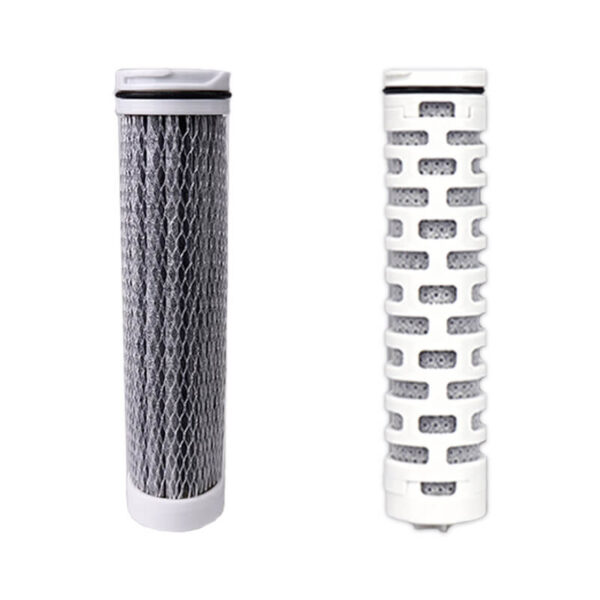
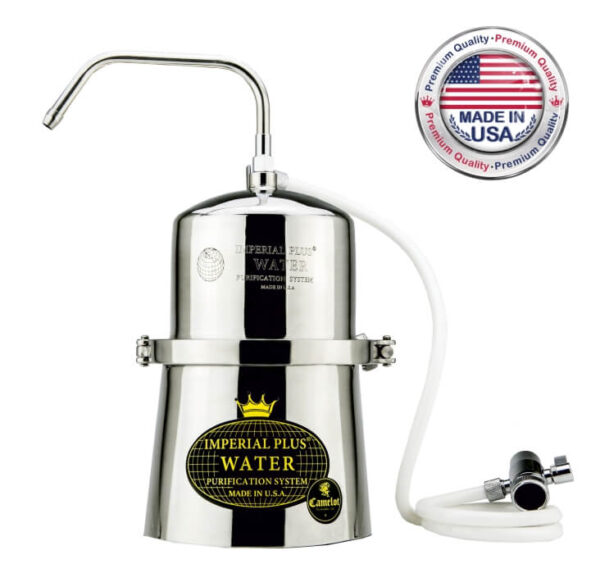
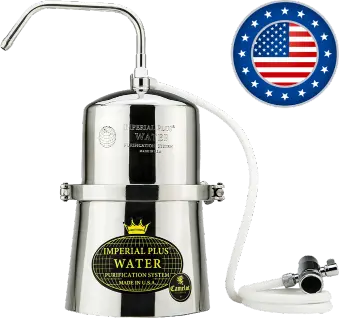
• Filtration Technology: Some technologies, such as certified filters with over 800 g of active pharmaceutical carbon, are more effective at removing a wide range of pollutants and potential allergens.
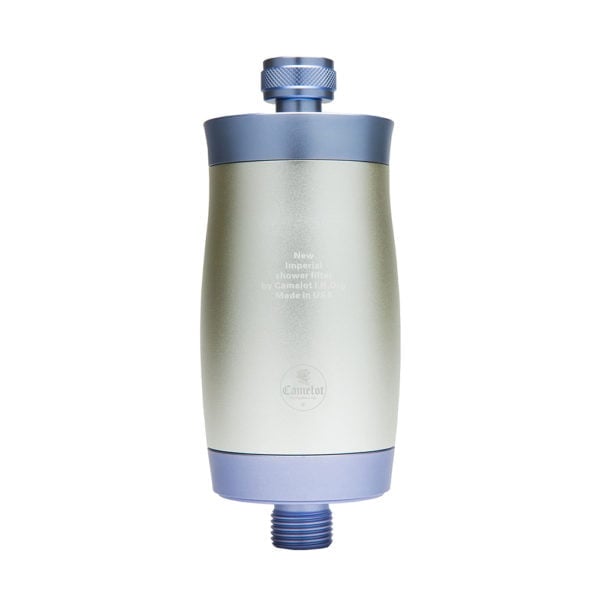
• Certifications and Tests: Filters such as those from Camelot® that have been evaluated and certified by recognized organizations, such as NSF International, guarantee effectiveness in the removal of specific contaminants.
• Maintenance and Replacement of Filter: Regular maintenance and timely replacement of filters are critical for maintaining the efficiency and effectiveness of the filter.
In conclusion
While water filters cannot be considered a panacea for all forms of allergies, their ability to improve water quality can significantly contribute to reducing exposure to allergens and other harmful substances. Choosing the right filter, combined with good hygiene practices and management of the living environment, can be an important strategy in protecting and improving the health of individuals with allergies. Furthermore, ongoing research and development in the field of water filtration technology promises even more improvements in the effectiveness and accessibility of these systems, thus contributing to a healthier and safer life for everyone.