

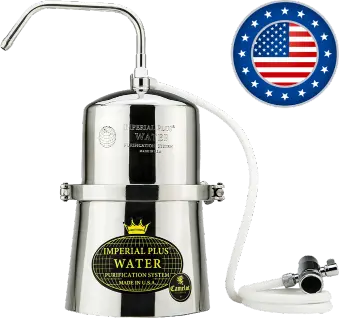
The Benefits of Using Certified Water Filters for Our Health


Access to clean, safe water is fundamental to our health and well-being. However, despite significant progress in water treatment technologies, water quality issues persist in many areas around the world. From industrial pollutants to natural sources of contamination, the threats to water quality are numerous and varied. Here, the use of certified water filters is important, providing a strategic defense against contamination and improving the quality of the water we consume. Let’s examine the benefits of using certified water filters for our health.
Strengthening Public Health
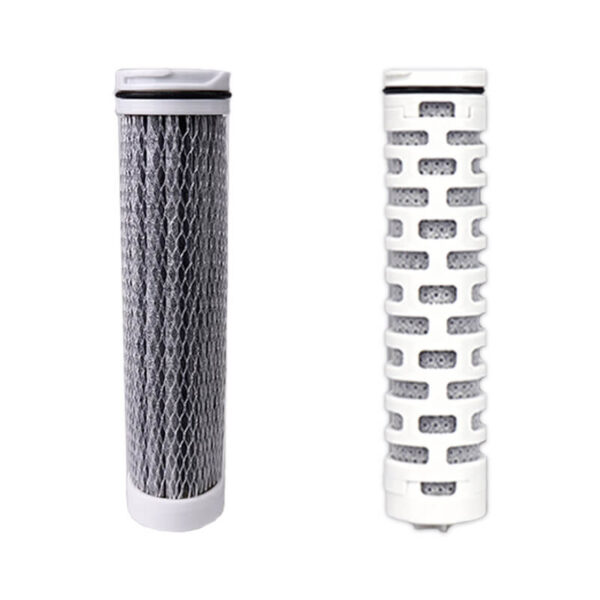
Water filters remove harmful substances from water, such as heavy metals (lead, arsenic), chlorine, cysts, bacteria, and other chemicals. Reducing exposure to these substances can protect against water-related diseases, such as diarrhea, dysentery, hepatitis A, or other illnesses, thereby enhancing overall public health.
Improvement of the Taste and Smell of Water
Many water filters are designed to improve the taste and smell of water by removing chlorine, organic compounds, and other chemicals. This improvement in water quality can encourage increased water consumption, which is crucial for hydration, digestion, and the elimination of toxins from the body.
Reduction of Chronic Disease Risk
Long-term exposure to pollutants such as heavy metals and others can increase the risk of developing chronic conditions, including cancer and kidney disease. The use of water filters reduces this risk by removing the presence of harmful pollutants in drinking water.
Strengthening the Immune System
Clean water is essential for the functioning of the immune system. Consuming filtered water helps maintain the balance of bodily fluids, enhances the effectiveness of the immune system, and aids in the prevention of infections.
Financial Benefits
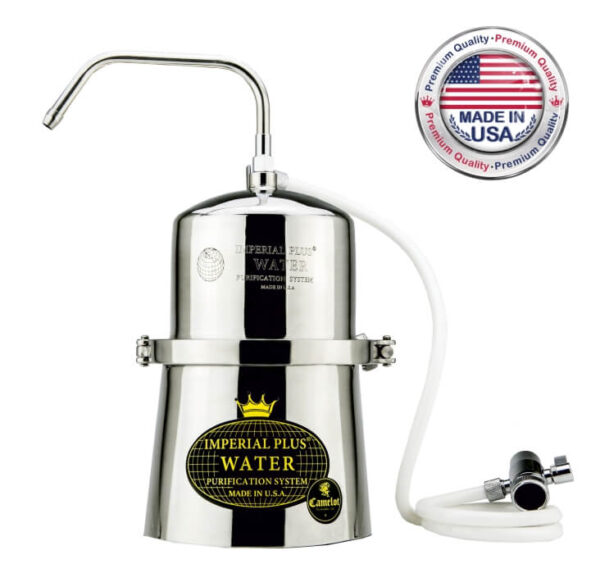
In addition to the immediate health benefits, using water filters offers significant financial advantages. 100 liters of filtered water from Camelot® systems cost only 0.50 cents. Reducing the need to purchase bottled water saves substantial amounts of money while simultaneously decreasing the environmental footprint from the production and disposal of plastic bottles.
Contribution to Environmental Protection
The use of water filters also contributes to environmental protection. By reducing the demand for bottled water, the production of plastic waste is also decreased, while resources that would be used for the production, transportation, and disposal of bottled waters are saved.
Conclusion
The use of water filters offers multiple benefits for health, the economy, and the environment. From protection against harmful pollutants and improvement of the taste and quality of water, to enhancing public health and contributing to environmental protection, water filters are an important tool in the effort for a healthier and more sustainable life. Choosing to invest in a water filtration system is an investment in our health, our economy, and our planet.