

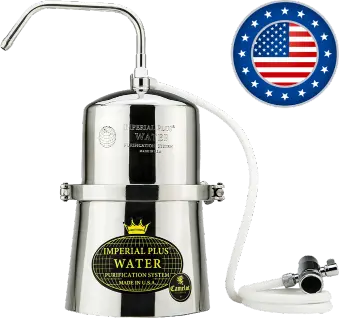
The consequence of poor water quality: How certified water filters solve the problem
Water quality is an important parameter for ensuring public health and protecting the environment. Poor water quality can have serious consequences for both human health and the ecosystem, while the use of water filters is an effective solution for improving water quality. In this context, the article analyzes the consequences of poor water quality and presents how certified water filters can be the solution.
Consequences of Poor Water Quality
Health Impacts: The consumption or use of poor-quality water can lead to a multitude of health problems, such as diarrheal diseases, cholera, hepatitis A, and numerous other infections. The chemicals that may be present in the water, such as heavy metals and toxic chemical waste, can cause serious chronic diseases, including cancers.
Environmental Impacts: Water pollution negatively affects aquatic ecosystems, reducing biodiversity and disrupting the balances present in the natural environment. This results in a decrease in the quality of available water resources, impacting both human consumption and water use in agriculture and industry.
The Importance of Certified Water Filters
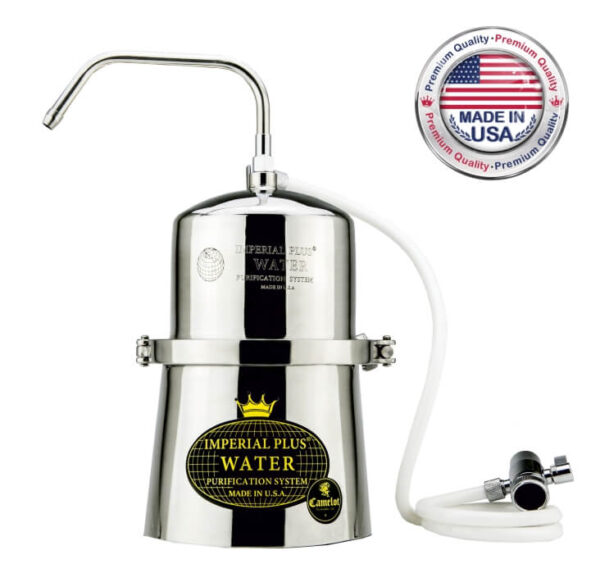
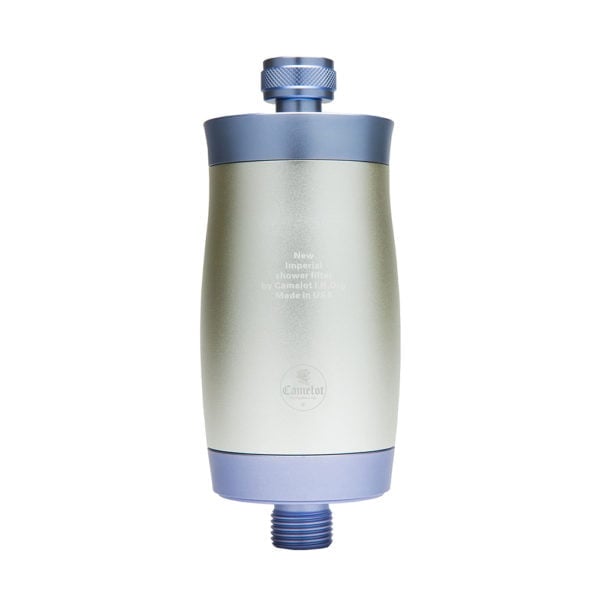
Certified water filters are a key technology for improving water quality. These purification systems operate through various methods, such as physical processes (e.g., sedimentation), chemical processes (e.g., disinfection), and biological processes (e.g., biofiltration), to remove or reduce harmful pollutants present in the water.
Improvement of Health: By removing harmful microorganisms, heavy metals, and chemical pollutants, water filters can significantly improve the quality of drinking water, thereby contributing to the promotion of public health and the prevention of diseases.
Environmental Protection: In addition to the benefits for human health, the use of water filters can have a positive impact on the environment. By reducing the need for water in plastic bottles, the production of plastic waste is also decreased, while the improved quality of treated water reduces the burden on aquatic ecosystems.
Water Filter Selection Criteria
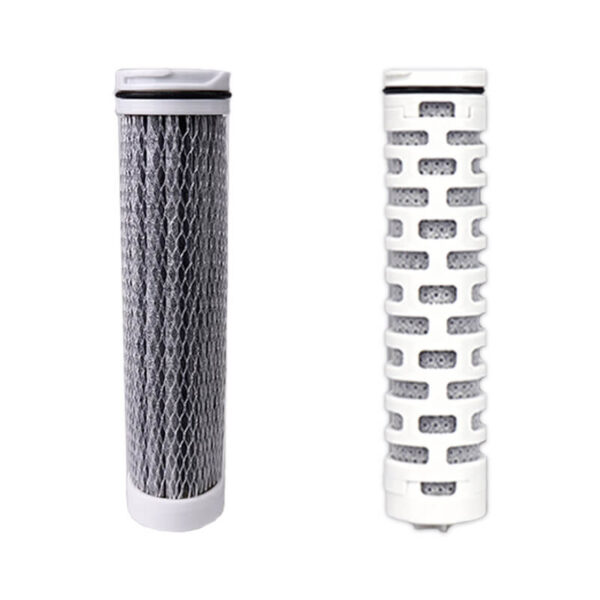
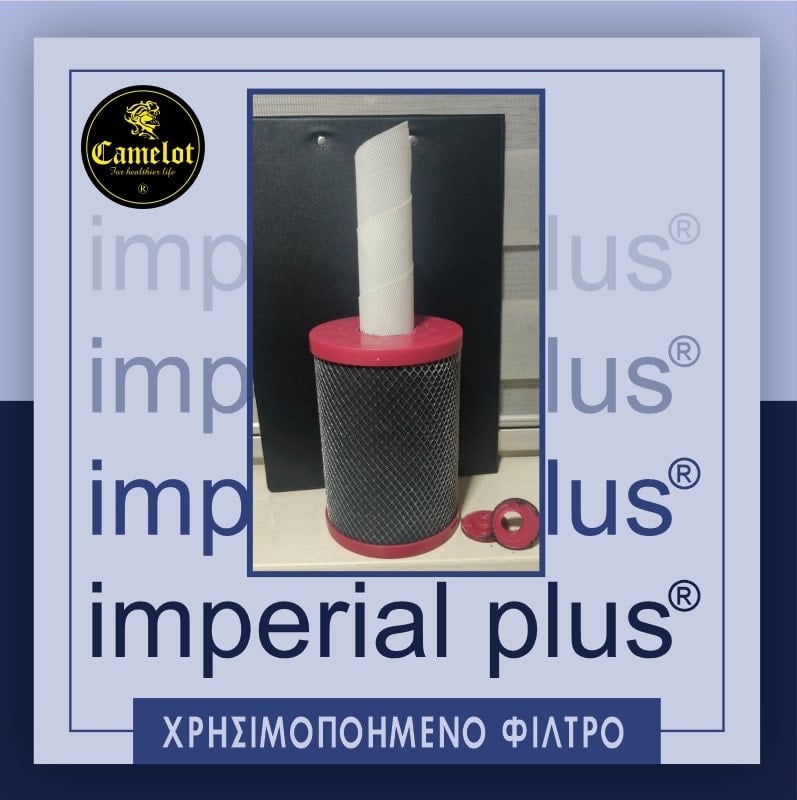
It should have at least over 850 g of active pharmaceutical carbon and pores below 0.5 micron.
Conclusions
Improving the quality of water is a challenge that requires continuous efforts and the application of modern technologies, such as certified water filters. Through the effective implementation of filters, it is possible to protect people’s health and contribute to environmental preservation. Investing in water quality is an investment in the future, as it ensures the health and well-being of current and future generations.