

Microplastics in Water: What They Are and How to Remove Them with Camelot® Certified Water Filters
Microplastics have emerged as one of the most concerning environmental issues of our time. They are tiny pieces of plastic, usually smaller than five millimeters, that enter the environment through various sources and ultimately end up in the water we drink. Their presence in water has raised concerns among both scientists and the general public, as it has serious implications for our health. In this article, we will examine what microplastics are, how they enter the aquatic environment, and how they can be removed using the certified water filters from Camelot®.
What Are Microplastics;
Microplastics are plastic particles that are less than five millimeters in diameter. They can come from various sources, such as:
- Primary microplastics: These are tiny plastic particles that are manufactured at this size for specific applications, such as the microbeads found in cosmetics and personal care products.
- Secondary microplastics: These arise from the breakdown of larger plastic items, such as bottles, bags, fishing nets, etc., due to their exposure to environmental factors such as solar radiation and waves.
How Do Microplastics Enter the Aquatic Environment?
Microplastics enter the aquatic environment through various pathways:
- Waste: The plastic waste that is disposed of uncontrolled can end up in rivers and seas.
- Water runoff: Rainwater can carry microplastics from roads and cities into water bodies.
- Cleaning products: Many products contain microplastics that end up in the water through the drains.
- Clothes and synthetic fibers: During the washing of clothes made from synthetic fibers, tiny pieces of plastic can detach and enter the water.
Health and Environmental Impacts
The presence of microplastics in water has raised concerns about the health of humans and ecosystems. Their impacts include:
- Toxic chemical substances: Microplastics can absorb toxic chemical substances from the environment, which can enter the human body through the consumption of water.
- Endocrine disorders: Some microplastics contain chemicals that can disrupt the endocrine system, affecting health and development.
- Environmental impacts: Microplastics can affect aquatic life, as marine animals may ingest them, causing physical harm or toxic effects.
How You Can Remove Microplastics with the Certified Water Filters from Camelot®;
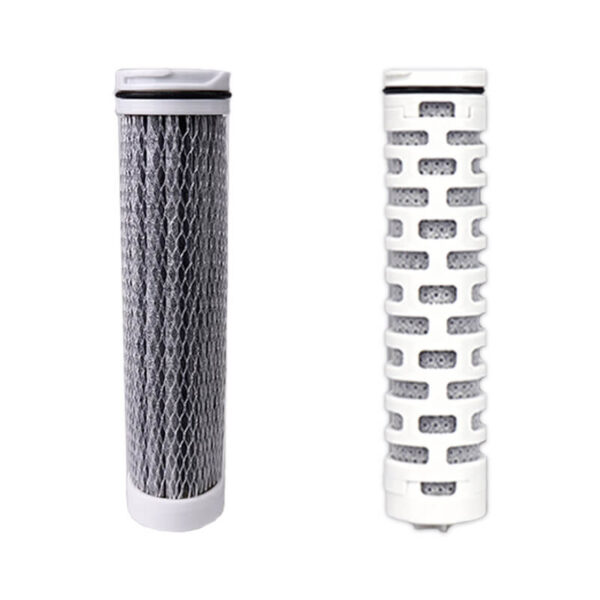
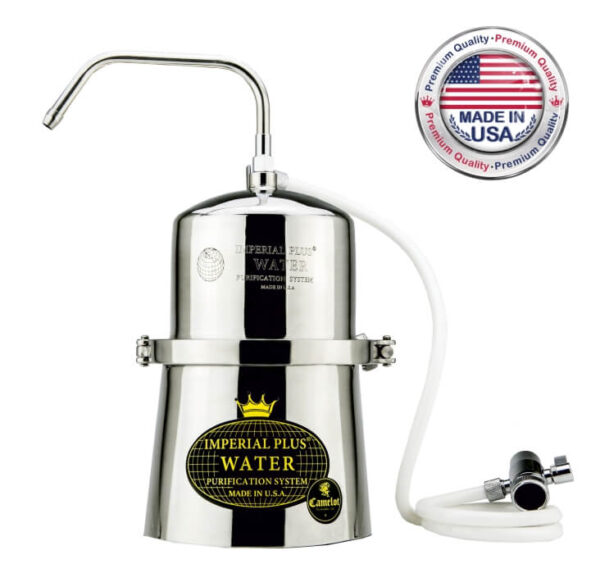
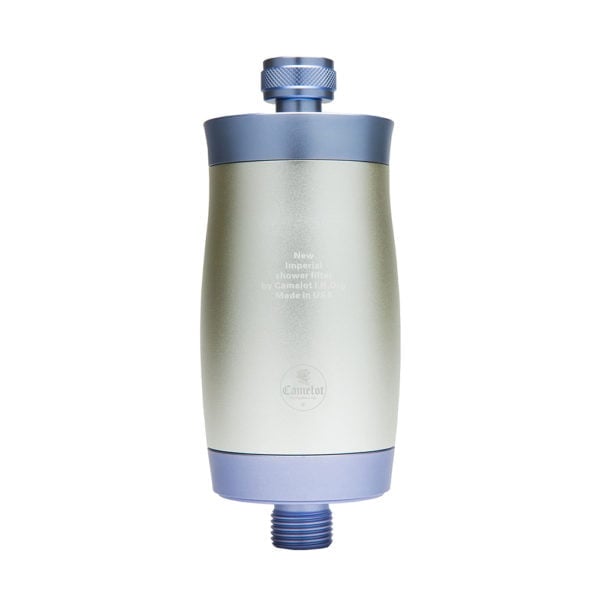
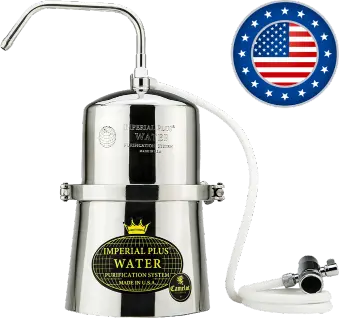
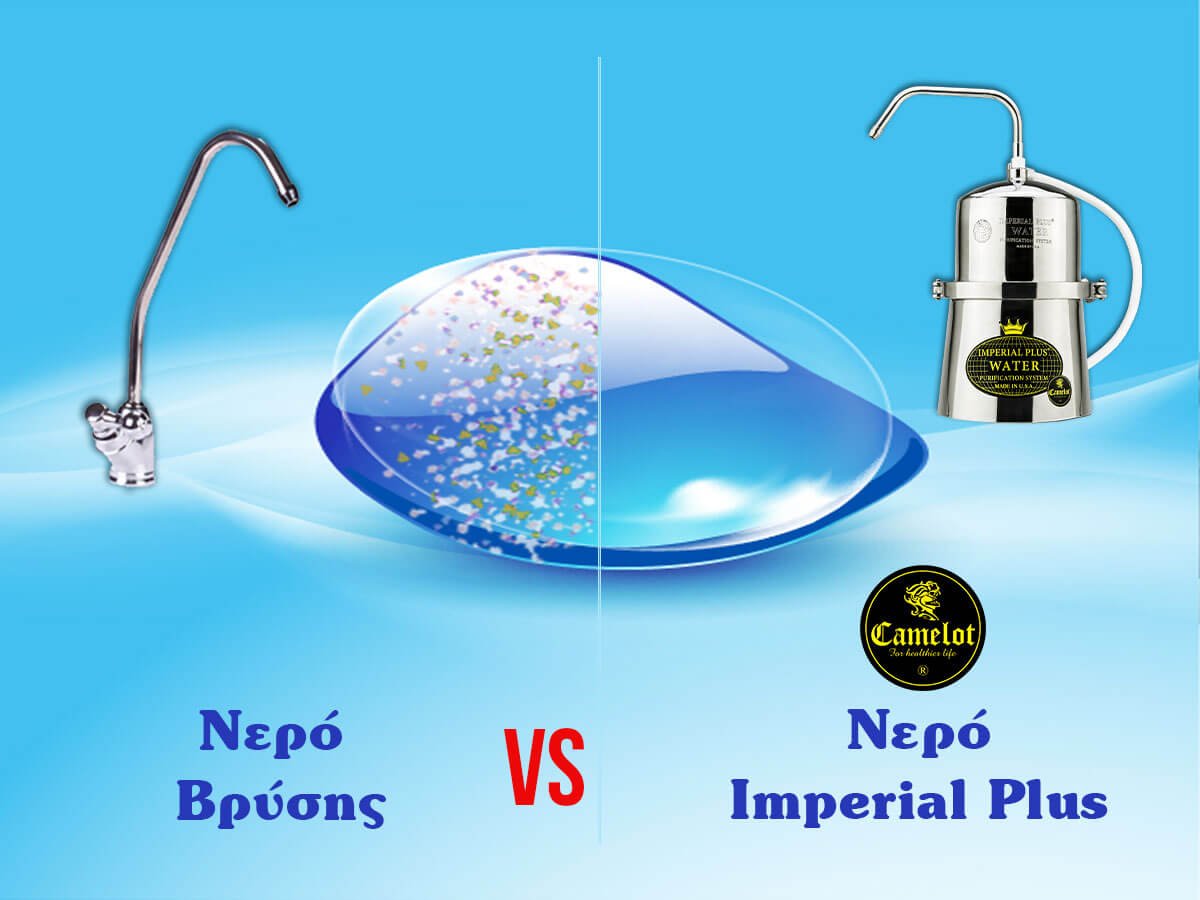
Camelot® offers a range of certified water filters that can remove microplastics, ensuring that the water you drink is clean and safe.
The certified water filters of Camelot® are not only effective in removing microplastics, but they also offer other significant advantages:
- Certification: The filters of Camelot® have been certified by international organizations, such as N.S.F., ensuring their reliability and effectiveness.
- Easy installation: The filters are designed for easy installation and maintenance, making them ideal for home use.
- Economy: The certified water filters from Camelot® are cost-effective, providing a long-term solution for clean water without the need to purchase bottled water of questionable quality.
- Environmental protection: By using certified water filters, you contribute to reducing plastic waste, protecting the environment from further pollution.
Conclusion
Microplastics in water are a serious problem that requires immediate action. Their effects on health and the environment are significant, and the need for clean, safe water is more urgent than ever. The certified water filters from Camelot® provide a reliable solution for removing microplastics and other impurities, ensuring your health and protecting the environment. By choosing the certified water filters from Camelot®, you are investing in clean and healthy water for you and your family.