

Frequenlty asked questions
Our health directly depends on the quality of the water we consume daily. Tap water and bottled water are the main sources of water supply for modern humans. However, questions and concerns often arise regarding the safety and quality of these two types of water. Is it true that tap water and bottled water can cause many diseases? Let’s examine the main reasons why tap water can be problematic and dangerous, as well as the risks associated with bottled water.
💧 The Tap Water
🧪 Chlorine
Chlorine is widely used for the disinfection of tap water. Although it is effective in neutralizing pathogenic microorganisms, long-term consumption can cause health problems. Chlorination of water creates chlorine byproducts, such as trihalomethanes (THMs), which have been associated with an increased risk of cancer and other chronic diseases.
⚙️ Heavy Metals
The tap water contains heavy metals such as lead, iron, and others, which come from old pipes or industrial waste. Consuming water with high concentrations of heavy metals can cause serious damage to the nervous system, the kidneys, and the liver, as well as other chronic diseases.
🦠 Pathogenic Microorganisms
Despite disinfection, there is always the risk of the presence of pathogenic microorganisms such as bacteria, viruses, and parasites in tap water. If disinfection is insufficient or the water supply network has cracks, these microorganisms can cause gastrointestinal infections and other diseases.
🧬 Other Chemical Substances
The tap water may contain other chemicals, such as pesticides and industrial chemicals, which enter the aquifer through agricultural and industrial activities. Long-term exposure to these substances can have serious health effects, including endocrine system disorders and increased cancer risk.
📚 Evidence
It has been fully proven by scientific studies that water is responsible for 80% of all diseases. If the water is not clean and filtered, all the dangerous elements present in it, such as lead, asbestos fibers, chemical pesticides, chlorine, nitrates, arsenic, hexavalent chromium, etc., will cause various diseases.
🧴The Bottled Water
🧫 Plasticizers
The plastic bottles used for bottled water contain thousands of plasticizers such as bisphenol A (BPA) and phthalate esters. These chemicals leach into the water, especially when the bottles are exposed to high temperatures. Plasticizers have been linked to endocrine system disruptions, reproductive issues, and increased cancer risk.
🚫 Pathogenic Microorganisms
In bottled water, research has found that 33% contain pathogenic microorganisms. The bottles state to store in temperatures below 18ºC in a shaded place. However, they are transported in open trucks at high temperatures. Therefore, the water they sell is contaminated and dangerous. The microorganisms in bottled water can cause gastrointestinal infections and other diseases.
🔍 Insufficient Quality Control
The quality of bottled water can vary significantly from brand to brand and from country to country. In some cases, bottled water may not be subject to the same strict regulations as tap water, which can lead to deficiencies in quality and safety.
☀️ Maintenance Conditions
The storage conditions of bottled water affect its quality. If the bottles are stored under inappropriate conditions, such as is often the case in high temperatures or under direct sunlight, this can accelerate the breakdown of plastics and increase the presence of harmful substances in the water. Additionally, poor storage conditions can promote the growth of pathogenic microorganisms.
📉 Evidence
According to research, 25 million people die each year from bottled water because most of it contains plasticizers, chemical pollutants, bisphenol A, pathogenic microorganisms, and generally because this water is already contaminated due, many times, to high temperatures and long storage periods.
✅ Conclusion
It is true that both tap water and bottled water can be responsible for various diseases due to the presence of chemical substances, heavy metals, and pathogenic microorganisms. The consumption of high-quality water is vital for ensuring our health. The use of certified water filters such as Camelot® helps in eliminating the risks from harmful substances and microorganisms in tap water and bottled.
📚 For more information, you can refer to the following websites:
- World Health Organization (WHO)
- Centers for Disease Control and Prevention (CDC)
- Environmental Working Group (EWG)
- National Sanitation Foundation (NSF)
🔎 Knowledge and information about the quality of the water we consume is the first step towards protecting our health.
💧 Clean – healthy water means prevention and good health.

Of course, it has been fully proven by hundreds of studies and organizations that chlorine is responsible for cancer, miscarriages, liver and kidney damage, reproductive and fertility problems, neurological diseases, immune system damage, etc.
⚠️ Does it need to go into the water?
It is however necessary to enter the water for the protection of public health, but we must remove it before consuming the water.
🧪 Effects of chlorine on health
🧬 Cancer
Chlorine, when added to water, reacts with organic compounds and forms disinfection by-products (DBPs), such as trihalomethanes (THMs) and chlorophenols. These by-products have been linked to serious health effects.
Studies have shown that long-term consumption of water containing chlorine and its by-products may increase the risk of certain types of cancer.
🔬 Specifically, THMs have been linked to an increased risk of liver, kidney, and bladder cancer.
📌 Report by the International Agency for Research on Cancer (IARC) classifies THMs as carcinogenic to humans.
🧫 Reproductive issues and miscarriages
Exposure to chlorinated water has also been linked to reproductive problems, for both men and women.
📊 Studies have shown that women who consume chlorinated water have a higher risk of miscarriages and reproductive dysfunctions.
📖 A study from Environmental Health Perspectives showed increased risk of miscarriage in women exposed to high levels of THMs.
🩺 Liver damage and the kidneys
The chemical by-products of chlorine can also affect the liver and the kidneys.
⏳ The prolonged exposure to these chemical substances can lead to toxicity and functional disorders of these organs.
📚 Studies in animals have shown that exposure to high concentrations of THMs causes damage to the kidneys and liver.
🧠 Neurological diseases and immune system
Additionally, exposure to chlorine and its by-products has been linked to nervous disorders and damage to the immune system.
🧪 The chlorophenols, another byproduct of chlorination, have been found to affect the central nervous system and the immune response.
📖 Studies have shown that prolonged exposure can lead to neurological disorders and a weakened immune system.
✅ Conclusion
The use of chlorine for water disinfection is a necessary process for the protection of public health.
However, the effects of chlorine and its by-products on human health when not removed are very serious.
💡 To protect our health, it is important to use certified water filters, such as those from Camelot®, which remove 100% of chlorine and its by-products before we consume the water.
🏆 By choosing a certified Imperial® filter from Camelot®, we can ensure that the water we drink is clean and safe for an entire year.
📍 This is proven by our partners in your home, before the interior change takes place.
📚 Sources
World Health Organization (WHO) – Guidelines for drinking-water quality
International Agency for Research on Cancer (IARC) – Carcinogenicity of trihalomethanes
Environmental Health Perspectives – Reproductive effects of disinfection by-products
U.S. Environmental Protection Agency (EPA) – Health effects of trihalomethanes

✅ Answer:
This is an older question we used to receive, and it was perfectly reasonable. Indeed, many people have grown up drinking tap water without showing any obvious health damage. However, times are changing – and along with them, the quality of the water that reaches our glass is also changing.
💧 Tap water is not the same as it was 30 or 50 years ago
The era when we could drink directly from the tap without a second thought is gone forever. Environmental conditions, increased industrial and agricultural activities, the aging of water supply networks, and the burden of chemicals and micropollutants have shaped a new reality in the water we consume.
🔹 According to studies by European and international organizations (e.g., EEA, WHO), tap water contains:
- Pesticide and chemical fertilizer residues
- Heavy metals (e.g. lead, copper, arsenic) due to old piping
- Microplastics, which have now been detected even in mountain springs.
- Chlorination by-products, such as THMs, which are considered potentially carcinogenic
- Nitrates and nitrites, which affect the circulatory and immune systems
- Hormonal disruptors, affecting reproductive and endocrine function
All of this does not mean that tap water is dangerous with the first sip, but it does mean that its cumulative consumption burdens the body over time and contributes to the development of major diseases.
🛡️ Why Camelot® filter and not something else?
Camelot® specializes exclusively in certified water filtration for human consumption. Our solutions – such as Imperial Plus® and Imperial Maximum® – contain compressed active pharmaceutical carbon Grade 1 850 or 1200 grams with pores up to 0.1 micron, allowing for ultra-detailed removal of all contaminants without removing beneficial minerals such as magnesium and calcium.
- 💠 Manufactured in the USA according to NSF and FDA standards
- 🧪 Tested in international laboratories for over 80 harmful substances
- They have all the required certifications and approvals
👪 Think about the future: Prevention instead of treatment
The fact that you haven’t faced any problems until today does not mean you should risk tomorrow. Health does not always show immediate effects – many consequences from chemicals or heavy metals appear after years and are not easily reversible. That’s why every family has a friend or acquaintance who unfortunately passed away from a serious illness.
The filtered water of Camelot® is an investment in your health, your family’s, and the environment, since:
- ✅ You protect your body from cumulative pollutants
- ✅ You stop consuming bottled plastic water
- ✅ You have clean, fresh, and daily safe water at your home.
💚 A change of habit, with a huge difference in quality of life
The transition from “this is how I always drank it” to “I filter it because I deserve it” is a conscious decision. Today we know more than ever about the dangers hidden in water, and prevention is the strongest weapon for a healthy life.
👉 If not now, when? If not for you, for whom?

Some consumers living in Attica have the impression that the water in the area is “good” compared to other regions in Greece and that no additional care or filtration is required. This impression is mainly based on the fact that EYDAP supplies Athens with water from natural sources (such as Mornos and Yliki) and that the water is considered “drinking.” However, how accurate is this conclusion? And what does “good” water actually mean?
✅ The positive: balanced mineral salts
The water in Athens has relatively low to moderate hardness, meaning it contains satisfactory levels of calcium and magnesium, which are useful for the functioning of the body, muscles, and the nervous system. Unlike areas with excessively hard water (which create scale and deposits in water heaters, faucets, and appliances), Athens has milder characteristics regarding mineral content.
However, this is only one dimension of the issue.
⚠️ What else does the water of Athens contain?
The fact that the water is drinkable means that it meets the minimum health standards of the state — but it does not mean that it is free from any potential contaminants. In practice, in the water network of Athens, there are:
1️⃣ Chlorine
It is used as a disinfectant for protection against microbes and pathogens. However, chlorine binds with organic compounds in water and forms disinfection by-products (THMs), which have carcinogenic effects according to the WHO.
2️⃣ Heavy metals
Lead, copper, nickel, and other metals do not come from sources, but from old water supply networks (municipal or apartment buildings). Continuous exposure to heavy metals burdens the nervous and reproductive system, especially in children and pregnant women.
3️⃣ Microplastics
Microplastics from cosmetics, detergents, plastic pipes, and atmospheric particles are now found in all urban networks worldwide. Studies have shown that up to 80% of drinking water samples worldwide contain microplastics, and Greece and Cyprus are no exception.
4️⃣ Nitrates and nitrites
They come from fertilizers used in agricultural and livestock activities. They can penetrate aquifers and reach the water. They are particularly dangerous for infants and small children, as they are associated with respiratory and hematological problems.
5️⃣ PFAS – “forever chemicals”
Perfluorinated compounds that do not break down easily are used in non-stick coatings, fabrics, and industrial applications. They have been linked to hormonal disorders, immunosuppression, and cancer. They are not monitored daily by water providers.
6️⃣ Drug residues
Antibiotics, contraceptives, painkillers, and other substances enter the environment through wastewater.
7️⃣ Organic industrial residues (VOCs)
Volatile organic compounds, derived from solvents, fuels, and detergents. They are potentially carcinogenic, affecting the liver and nervous system.
8️⃣ Asbestos fibers
In areas with old asbestos pipes, these fibers are transferred to the water with huge consequences for our health.
Regarding all of the above, there have been multiple reports and coverage from reputable Greek media, newspapers, and news sites, which have published data, allegations, and technical analyses confirming that the water supply network of Athens is not free from pollutant loads.
🛡️ So, does Athens water need a water filter;
The question is not only whether it is “drinkable,” but what its quality is over time. The fact that it does not have a strong smell or color does not mean that it does not contain dangerous chemical pollutants. Most harmful substances are colorless, odorless, and tasteless, but in the long term, they seriously affect our health.
That’s why more and more consumers are choosing high-quality filters, such as the Imperial® Plus by Camelot®, which:
- Removes chlorine, pesticides, heavy metals, microplastics, PFAS, and VOCs and any other hazardous chemical pollutant
- Maintains useful mineral salts
- It has certified filtration stages, with compressed pharmaceutical-grade activated carbon of high density with membrane pores of 0.1 micron.
- Offers real protection for the whole family
- Filters for an entire year. And the last glass of water is as clean as the first glass.
🧠 Conclusion
The water in Athens is definitely better than in other areas in terms of mineral salts, but it still contains pollutants that come from processing, distribution, and daily environmental pollution. Drinking water that has only been tested for the basics every day is not enough.
Installing a quality filter like the Imperial® Plus is an act of responsibility and self-protection, providing higher quality and health-safe water for you and your loved ones.
📚 Sources:
- European Environment Agency – Water Quality
- World Health Organization – Chlorine in Drinking-water
- Environmental Working Group – PFAS Guide
- NPR – Microplastics in Tap Water
- EPA – Contaminants in Drinking Water
- WHO – Pharmaceuticals in Drinking Water

Due to ignorance, the increasing demand for bottled water has created a huge industry, which is presented as a more safe and healthy option than tap water. However, the reality differs significantly from this image. It is worth examining whether bottled water is really safe for our health and what the risks associated with its consumption are.
🚰 Where does bottled water come from?
First of all, we must know that 59% of bottled water that is distributed worldwide does not come from natural sources, but is filtered and processed water that comes from surface or underground sources such as rivers, lakes, wells, and the water supply network. This water is treated and purified to be ready for consumption.
Essentially, what we need to do at home with special modern filters, others do and sell at prices 500 to 1000 times higher than the cost of the water we can filter at home and have certified cleaner tap water for drinking, cooking, and washing our food.
⚠️ Is it safe for our health?
As for our health safety, the answer is no. Many studies have shown that bottled water may contain more contaminants than tap water, such as dangerous pathogenic microorganisms.
For example, an increase in heterotrophic bacteria of up to 10,000 times has been reported after three weeks of storage. Additionally, bottled water may contain dangerous chemicals that come from the plastic bottle, such as carcinogenic plasticizers, etc.
🌡️ Problematic storage conditions
Another factor to consider is the storage and transportation conditions of the bottles.
📦 The labels on the bottles state that they should be stored in a cool and shady place at temperatures not exceeding 18°C.
However, the bottles:
- are often transported with open trucks
- stored at high temperatures
- reach the consumer already altered
🧴 Long-lasting stay in plastic
Bottled water can remain stagnant in the plastic bottle for over a year before consumption. The thought of consuming something so “canned” daily for a long period is unthinkable for many.
💸 Financial and practical disadvantages
Bottled water is also:
- Expensive and not convenient, as frequent transportation is difficult.
- Most people only drink from this and do not use it for washing their food or for cooking, which reduces the value of this choice.
🌍 Environmental consequences
Bottled water has significant environmental impacts:
- The production and transportation of plastic bottles consumes huge amounts of oil and water
- When bottles burn, they produce dangerous chemicals such as hydrochloric acid, heavy metals, and dioxins
- The plastic bottle takes 300-500 years to decompose.
✅ Smarter and safer solution
In conclusion, the choice of bottled water is not a safe or sustainable solution for our health or for the environment.
The use of certified water filters at home offers a more economical, safe, and environmentally friendly alternative. It is important to be informed consumers and make choices that promote our health and protect our planet.
📚 Sources
BMC Public Health – Bacteriological quality of bottled water
National Geographic – How Bottled Water Harms the Planet
University of New South Wales (UNSW) – Plastic leaching from bottled water under heat

The consumption of clean and safe water is essential for our health. Nowadays, many wonder what the most economical and effective solution is: consuming bottled water or using certified water filters, such as the Imperial® filters from Camelot®. Below, we will examine these two options, analyzing the costs, water quality, and other important factors that need to be considered.
💰 1. Cost
The cost is one of the most important factors influencing the decision of many consumers.
Bottled water: In the long term, the consumption of bottled water is significantly costly. If we assume that a family of four consumes 8 liters of water a day for drinking, the annual cost can exceed 1,460 euros, assuming the price per liter is about 0.50 euros.
Additionally, if we take into account the need for 25 liters of water per day, which includes cooking and washing food, the annual cost for consuming bottled water can reach 4,562.50 euros (25 liters/day x 0.50 euros/liter x 365 days).
Imperial® Water Filters: The cost per liter of filtered water is significantly lower. 100 liters cost only 0.50 cents.
For 15,000 liters of filtered water or one year of use, the costs depending on the type of filter are:
- Filter 0.4 micron: 89 euros per year
- 0.3 micron filter: 119 euros per year
- 0.2 micron filter: 159 euros per year
- 0.1 micron filter: 190 euros per year
For a family that consumes 25 liters of water per day, the annual cost and the cost per liter of filtered water is calculated as follows:
- 0.4 micron filter:
- Annual cost: 89 euros
- Cost per liter of filtered water: 0.0059 euros/liter
- Annual cost of bottled water: 4,562.50 euros
- Cost per liter of bottled water: 0.50 euros/liter
- 0.3 micron filter:
- Annual cost: 119 euros
- Cost per liter of filtered water: 0.0079 euros/liter
- Annual cost of bottled water: 4,562.50 euros
- Cost per liter of bottled water: 0.50 euros/liter
- 0.2 micron filter:
- Annual cost: 159 euros
- Cost per liter of filtered water: 0.010 euros/liter
- Annual cost of bottled water: 4,562.50 euros
- Cost per liter of bottled water: 0.50 euros/liter
- Filter 0.1 micron:
- Annual cost: 190 euros
- Cost per liter of filtered water: 0.012 euros/liter
- Annual cost of bottled water: 4,562.50 euros
- Cost per liter of bottled water: 0.50 euros/liter
Even the filter with the highest price (0.1 micron) has a much lower cost per liter compared to bottled water, making the long-term investment much more economical.
🧪 2. Water Quality
The quality of the water we consume is vital for our health.
Bottled water: Bottled water comes from various sources and can vary in quality. While many consumers believe it is safer than tap water, this is not true. In studies conducted in many cases, bottled water was found to contain plasticizers, contaminants, 33% pathogenic microorganisms, and to not meet quality standards.
Imperial® Water Filters: The Imperial® water filters are designed to remove all contaminants, heavy metals, chemicals, microorganisms, and other harmful substances from tap water. This means that the filtered water is cleaner and safer than bottled water. Additionally, the certified filters from Camelot® comply with strict quality and safety standards, providing consumers with the confidence that they are drinking water certified to the highest quality.
The environmental impact of water consumption is also a very important factor that should always be taken into account.
🌍 3. Environmental Impact
The environmental impact of water consumption is also a very important factor that should always be taken into account.
Bottled water: The production, transportation, and disposal of plastic water bottles have a significant environmental cost. Plastic waste is one of the biggest challenges for our environment, as plastic bottles take hundreds of years to decompose, with all the consequences for our health.
Imperial® Water Filters: The use of certified water filters eliminates the need for plastic bottles, helping to remove plastic waste. Additionally, Imperial® filters are made from high-quality materials (surgical stainless steel) and have a long lifespan, thereby reducing the need for frequent replacements and additional waste.
🏠 4. Convenience and Accessibility
The convenience and accessibility of clean water are also important factors for many consumers.
Bottled water: Bottled water of questionable quality is widely available and easy to purchase. However, the need for continuous buying and transporting of heavy bottles is inconvenient and time-consuming. You have to carry them, store them after paying a premium, and they are of questionable quality.
Imperial® Water Filters: The certified water filters provide a continuous supply of clean tap water directly from the faucet, eliminating the need for constant purchasing and transportation. This offers great convenience and saves time and money, but above all, it protects our health.
✅ Conclusion
In summary, the use of certified water filters Imperial® by Camelot® offers an economical, safe, and environmentally friendly solution compared to the consumption of bottled water of questionable quality. Furthermore, the quality of filtered water is far superior, and the reduction of plastic waste contributes to the protection of the environment and our health. For the health of ourselves and our families, it is worth paying attention to clean – healthy water by providing our home with the best solution to have clean – healthy water for drinking, cooking, making our beverages, and washing our food.
📚 Sources:
- Consumer Reports – Bottled Water vs Tap: https://www.consumerreports.org/health/bottled-water-vs-tap-water-a3118947181/
- Science Direct – Assessment of Bottled Water Quality: https://www.sciencedirect.com/science/article/abs/pii/S0045653517312939
- NRDC – Bottled Water: Pure Drink or Pure Hype?: https://www.nrdc.org/resources/bottled-water-pure-drink-or-pure-hype

The Imperial® Plus from Camelot® is not just a simple filter — it is a high-spec water purification tool, designed to provide maximum efficiency, safety, and durability.
📦 1. Quantity of activated carbon: A category of its own
Filters are available on the market:
- With 80-150 grams of carbon
- Price: 40-60€
- Without certifications
- Without low micrometric (micron) protection
- Lifespan: 2-6 months usually
- Capacity: 1,000-3,000 liters
👉 The Imperial® Plus features:
- 850 grams of certified compressed pharmaceutical activated carbon
- Technology Ultipor and N66 and multiple stages of purification
- Prices depending on the micron (micron):
- 0.4 micron – 89€
- 0.3 micron – 119€
- 0.2 micron – 159€
- 0.1 micron – 190€
- Lifetime: 12 months
- Capacity: Up to 15,000 liters
The Imperial® Plus filters up to 7 times more water and lasts 3-5 times longer than standard filters — and this at a price only 1.2 to 2 times higher initially.
⚙️ 2. Filtering Technology: Small things that make a difference
The majority of market filters do not have any micrometric protection. The result? They allow microplastics, asbestos fibers, drug residues, and bacteria to pass through.
The Imperial® Plus is available with filtering options in:
| Micron | Price | Capability |
| 0.4μm | 89€ | For typical municipal water |
| 0.3μm | 119€ | Increased protection against microparticles |
| 0.2μm | 159€ | Against pharmaceutical and organic compounds |
| 0.1μm | 190€ | Medical-grade filtration (bacteria, etc.) |
📌 The compacted carbon block technology allows for multiple layers of filtration, while the structure with Ultipor and N66 prevents bacteria from passing through the filter.
💰 3. Financial comparison: Lower cost, much higher return
Let’s first take a look at a typical market filter:
- Price: 50€
- Carbon quantity: ~100g
- Duration: 2-6 months
- Capacity: ~1,500 liters
- Certifications: No
- Cost/carbon gram: €0.50/g
- Cost/liter of filtered water: 0.033€/L
Now, let’s compare with the 4 versions of Imperial® Plus:
| Imperial® Plus Version | Price | Micron | Carbon Quantity | Duration | Capacity | Cost/gram | Cost/liter |
| 0.4μm | 89€ | 0.4μm | 850g | 12 months | 15,000 L | 0.10€/g | 0.0059€/L |
| 0.3μm | 119€ | 0.3μm | 850g | 12 months | 15,000 L | 0.14€/g | 0.0079€/L |
| 0.2μm | 159€ | 0.2μm | 850g | 12 months | 15,000 L | 0.18€/g | 0.0106€/L |
| 0.1μm | 190€ | 0.1μm | 850g | 12 months | 15,000 L | 0.22€/g | 0.0126€/L |
✅ Even the most advanced version of 0.1μm offers a filtration cost almost 3 times lower than a cheap filter costing €50.
🔴 When you compare what you gain per euro you spend, Imperial® Plus is the most “value for money” investment in your water — by far.
🧠 4. Not all filters are created equal
The competitors:
- Do not mention grams of carbon
- They do not provide truly low microns (micron)
- They do not offer NSF certification, WQA
- They do not support a duration of 12 months or 15,000 liters
- They do not even remove chlorine 60-70% after 1-2 months of use
The Camelot®:
- Invests in scientific documentation
- Offers multiple micron options (micron)
- Provides water analysis, installation, and technical support for free
- Checks the performance at each stage and after 12 months of use before making the next change
📊 5. Summary table of economic comparison
| Parameter | Typical market filter | Imperial® Plus |
| Price | 40-60€ | From 89€-190€ |
| Carbon | 80-150g | 850g |
| Certifications | No | NSF, WQA |
| Micron filtration | No | Up to 0.1μm |
| Duration | 2-6 months | 12 months |
| Capacity | 1,000-3,000L | 15,000L |
| Cost/gram | 0.40-0.60€/g | 0.10-0.22€/g |
| Cost/liter | ~0.03-0.06€/L | 0.0059-0.0126€/L |
✅ Conclusion: Technology + Economy + Quality = Imperial® Plus
The Imperial® Plus is the absolutely documented choice for those who want:
- Higher real yield
- Long duration and low cost per liter
- Certified protection with cutting-edge technology
- Reliability that is measured, not promised
Truly, pure healthy water is the best natural remedy for prevention and treatment. Imperial Plus® offers us certified purest water for the prevention and protection of our family’s health. Call us to make a comparison with what is available for your protection.

The Imperial® Plus by Camelot® is an advanced, certified water filter that combines 850 grams of compressed activated pharmaceutical carbon with 0.1 micron pores with special Ultipor® membranes, N66, ensuring top quality in drinking water. In detail:
💧 Chlorine & by-products (THMs)
- The Imperial® Plus removes 100% of the chlorine that causes irritation and bad taste, while also neutralizing the carcinogenic byproducts trihalomethanes (THMs).
⚖️ Heavy metals & asbestos fibers
- Lead and asbestos fibers are extremely hazardous to health. The Imperial® Plus contains them precisely, reducing the risk of neurological damage and carcinogenesis.
🧪 Arsenic (with a special filter)
- In areas with increased concentrations, the Imperial® Plus with the special replacement filter neutralizes arsenic, which is linked to lung, skin, and urinary tract cancer.
🌱 Pesticides & herbicides
- Originating from agricultural crops, pesticides end up in the water. The Imperial® Plus effectively filters them, protecting against hormonal disruptions, carcinogenesis, and neurological effects.
🧱 Rust, dirt, and airborne particles
- Old plumbing brings rust and dirt into our glass. The Imperial® Plus retains them completely, providing clean and clear water.
- One of the most concerning modern problems. The Imperial® Plus removes them, even in sizes up to 0.1 micron, limiting endocrine disorders and inflammations.
🔥 Polycyclic Aromatic Hydrocarbons (PAHs)
- They come from forest fires and not only that, but also industrial pollution. The Imperial® Plus removes them, eliminating the risk of carcinogenesis.
🧬 Volatile Organic Compounds (VOCs)
- Benzene, fuel and solvent derivatives that pollute water. The Imperial® Plus absorbs them with activated carbon, protecting the liver and the nervous system.
💊 Pharmaceutical substances
- Antibiotics, analgesics, contraceptives, and other hormonal substances are detected in drinking water. The Imperial® Plus effectively removes them, eliminating antibiotic resistance and hormonal burdens.
🦠 PFAS – “Forever Chemicals”
- Newer pollutants from non-stick cookware and industrial uses. They are linked to cancer, infertility, and immune problems. The Imperial® Plus removes them with specially processed activated carbon.
🦠 Pathogenic Microorganisms
- With a 0.1 micron filter selection, the Imperial® Plus prevents the passage of bacteria, cysts, and parasites (Giardia, Cryptosporidium) that cause gastroenteritis.
🌍 Nitrates & Nitrites
- Derived from fertilizers, they are related to “blue baby syndrome” and stomach cancer. The Imperial® Plus significantly removes them, ensuring safer consumption.
👉 Conclusion:
The Imperial® Plus is not limited to simple filtration, but combats a full range of pollutants: chlorine, heavy metals, asbestos, arsenic (with a special filter), pesticides, microplastics, rust, PAHs, VOCs, pharmaceutical residues, pathogenic microorganisms, nitrates, and nitrites, etc.
The result is clean, healthy, and perfectly tasting water, every day.

The use of water is an integral necessity of our daily life. It is used for consumption, for the preparation of food, the preparation of beverages, as well as in many other activities.
The quality of the water we consume has a direct impact on our health, which is why the need for clean water is not limited to drinking, but also includes that which we use for cooking, preparing beverages, and washing food.
⚠️ The dangers of pollutants in water
Clean water is extremely important for our health. The use of unprocessed water or polluted water can lead to the consumption of hazardous substances.
These pollutants may include:
- Heavy metals
- Chemicals
- Microbiological agents
- Other toxins that may cause serious diseases with long-term effects on health.
🚨 Health effects from contaminated water
The effects of consuming water with pollutants are numerous. Some examples:
- Heavy metals such as lead and arsenic
- Chemicals such as pesticides, industrial waste, human and veterinary medicines
- Chlorine
They can cause:
- Neurological damage
- Kidney failure
- Other chronic diseases
Additionally, microbiological agents such as bacteria, viruses, and parasites can cause acute gastrointestinal infections that may be life-threatening.
🥣 The importance of clean water in cooking
The use of clean, healthy water in cooking is just as important as consuming clean drinking water. Water is used in:
- Washing vegetables and fruits
- Boiling and baking of foods
- The preparation of broths and sauces
If the water contains pollutants, they are transferred to the food and consumed with it, putting our health at risk.
☕ Clean water in beverages
The beverages we consume daily, such as tea, coffee, and juices, should also be prepared with clean water.
- High temperatures do not neutralize all pollutants.
- The quality of water remains critical
Using clean filtered water, we ensure that the beverages are free from harmful substances.
🛡️ The use of certified water filters
The use of a certified water filter, such as the Imperial® by Camelot®, is the most effective way to ensure that the water we use is clean.
These filters:
- They remove all the pollutants that are present in the water
- They include heavy metals, chemical substances, and microbiological agents
So, we can be sure that:
- The water that we drink
- Water for food, beverages, and washing food
is safe for consumption.
🔚 Conclusions
The use of clean water for:
- The preparation of food
- Of the beverages
- The washing of food
is essential for maintaining our health.
The consumption of contaminated water can cause:
- Chronic diseases
- Acute infections
Using clean water, we protect ourselves and our family.
By investing in certified water filters, we ensure the quality of the water we use daily and take an important step towards a healthy life. We deserve it!
📚 Sources:
- BMC Public Health – Bacteriological quality of bottled water: https://bmcpublichealth.biomedcentral.com/articles/10.1186/s12889-020-8291-7
- National Geographic – How Bottled Water Harms the Planet: https://www.nationalgeographic.com/environment/article/bottled-water
- University of New South Wales (UNSW) – Plastic leaching from bottled water under heat: https://www.unsw.edu.au/news/2022/11/plastic-leaching-in-bottled-water

Cleaning food with filtered water is a crucial step for protecting our health. Fruits, vegetables, meat, and fish are foods we consume daily, and their proper washing can prevent the intake of harmful substances and microorganisms. A key factor to consider is the quality of the water we use for washing them.
💧 Reasons for using filtered water:
🧪 Removal of Pollutants and Microorganisms
Foods, especially fruits and vegetables, may contain:
- Pesticide residues
- Heavy metals
- Chemicals from their cultivation and transportation
The filtered water, free from these elements, ensures the effective removal of them, reducing the likelihood of consuming these hazardous substances.
⚠️ Reduction of Chlorine By-Products
In case we use chlorinated water for washing our food, large quantities of chlorine by-products are absorbed by them.
Chlorine by-products, such as carcinogenic trihalomethanes, are formed when chlorine reacts with organic substances in water. Long-term consumption of these substances has serious health implications, such as increased risk of cancer and other chronic diseases.
👃 Improvement of Taste and Smell
Filtered water significantly improves the taste and smell of our food.
The chlorine and other chemicals found in tap water alter the natural taste of fruits, vegetables, meat, and fish, making them less appealing for consumption.
🛡️ Health and Safety
The use of clean, filtered water for washing food can prevent cross-contamination from bacteria and pathogenic microorganisms that may be present in tap water.
The certified water filtration devices effectively remove microorganisms that can cause diseases, ensuring that the food we consume is safe.
🧬 Special Reference to Chlorine By-products
As mentioned earlier, the chlorine used for disinfection of drinking water can form carcinogenic trihalomethanes.
These substances are created when chlorine reacts with organic materials present in the water. Trihalomethanes have been associated with an increased risk of developing various forms of cancer, such as:
- Liver cancer
- Kidney cancer
- Bladder cancer
- Colon cancer
The use of filtered water for washing food reduces exposure to these hazardous substances. Especially in the case of sensitive population groups, such as:
- Children
- Pregnant women
- Elderly
protection from the intake of trihalomethanes is extremely important for preventing long-term health effects.
✅ Conclusion
Ensures the:
- Removal of harmful chemicals
- Avoidance of chlorine by-products
- Removal of microorganisms
- Improvement of taste and smell of food
- Safety in our daily diet
The use of filtered water from certified filters such as those from Camelot® for washing food is not just an optional practice, but a essential process for ensuring our health.
By using filtered water, we can be sure that the food we consume is clean and safe, contributing to our overall health and well-being.
⚠️ Otherwise, if we wash them with chlorinated water, large amounts of chlorine by-products will be absorbed by the food — so we will consume them in large quantities.
⚠️ In chlorinated water, carcinogenic trihalomethanes are formed, which we take in during the use of chlorinated water.
📚 Sources
World Health Organization (WHO) – Guidelines for Drinking-Water Quality
U.S. Environmental Protection Agency (EPA) – Disinfection Byproducts and Health Effects
European Food Safety Authority (EFSA) – Chemical Contaminants in the Food Chain
Camelot® – Certified Water Filters for Daily Use

Of course they can — and not only can they, but only filtered high-quality water, like that from the Imperial Plus® system by Camelot®, should be given to newborns, especially when it comes to diluting powdered milk or when they start drinking water at an older age.
🧬 Why is water so critical for newborns?
The water consumed by newborns is crucial for their health, as their bodies are extremely sensitive. Their immune system has not yet fully developed, and even the slightest burden from heavy metals, microbial agents, or chemicals can cause significant problems.
🚰 What are the risks of tap water?
Unfortunately, tap water —even in areas with seemingly “good” quality— often contains residues of chlorine, lead compounds (from old pipes), microplastics, pharmaceutical residues, and other chemical compounds that are considered hazardous, especially for infants.
🧴 Is bottled water safe for babies?
The same applies to bottled waters. Although they may seem “clean,” they offer no quality guarantee for infants. Many bottled waters are not adequately filtered and often remain exposed to temperatures that alter the plastic, resulting in the transfer of microplastics or other substances into the contents.
Furthermore, they do not have the necessary stability in their composition for such a sensitive organism, and there are not a few cases where bottled waters have shown issues with safety or purity.
💧 The solution: Camelot®’s Imperial Plus®
Here comes the need for natural, clean, and safe water, which we can ensure only through specialized filtration systems. The Imperial Plus® from Camelot® is an ideal solution, as it offers natural filtration without added chemicals and effectively removes:
- heavy metals
- Microorganisms
- chlorine
- chlorination by-products
- hormones
- pharmaceutical residues
- microplastics
- and other hazardous substances
…that are extremely dangerous for infants.
🔌 Safe operation without power
It is also important to emphasize that Imperial Plus® operates without electricity, which ensures that:
- water is not “injured
- there is no microbial growth due to temperatures
- and its physical structure does not change.
Another advantage is that it does not remove the necessary minerals and trace elements from the water, which is very important for the proper development of children.
🥣 Clean water and in infant nutrition
Additionally, the filtered water from the Imperial Plus® is ideal not only for consumption as is but also for the preparation of:
- milk
- baby creams
- of the soup
- of the broths
- even for the first fruit purees or rice flour
The use of clean and safe water in the preparation of baby food is just as important as the selection of quality raw materials. Even if you use the best milks or organic fruits and vegetables, if the water is not absolutely clean and safe, there is a risk of contamination or spoilage of the final product that the infant will consume.
👨👩👧 The ultimate investment for the child’s health
In families with newborns, therefore, the use of high-quality filtered water is non-negotiable — and not just any filtered water, but a system that has proven effectiveness and reliability, such as the Imperial Plus® by Camelot®.
It is worth investing in the health of our children in a safe, natural, and sustainable way.
✅ Conclusion
The answer to the question is, therefore, clear:
Yes, newborns can and should drink filtered water — especially from the Imperial Plus® filter by Camelot®.
Tap water and bottled waters are not suitable for such a sensitive organism.

When it comes to the health of our pets, most owners focus on proper nutrition, regular visits to the veterinarian, and adequate exercise. However, a crucial factor that is often overlooked is the quality of the water they consume. Just as it is with the human body, water is a foundation of health for dogs, cats, and any other pet. That’s why choosing filtered water, specifically from certified and high-quality filters from Camelot® and Imperial® Plus, is not just a luxury – it is an act of responsibility.
💧 The role of water in the health of pets
The body of animals, like that of humans, is mainly composed of water. Clean and quality water contributes:
- In the proper functioning of the kidneys and the urinary system
- In the elimination of toxins from the body
- In the hydration of the skin and the coat
- In the regulation of body temperature
- In the proper functioning of metabolism
- In the increase of our pet’s life expectancy.
On the contrary, poor quality water can cause a multitude of problems, from gastrointestinal disorders to serious long-term conditions, especially in more sensitive or elderly animals.
⚠️ What does unfiltered water contain?
Even the tap water that some may think is safe contains:
- Chlorine: It irritates the stomach and intestines of pets and causes many health problems.
- Heavy metals (lead, copper, arsenic): Toxic to the liver and kidneys with all the health consequences.
- Microbiological agents: Bacteria and viruses that may cause infections.
- Pesticide or drug residues: Difficult to eliminate from the body and cause many health problems.
- Asbestos or microplastics: Long-term dangers.
The above is even more concerning when we consider that pets weigh much less than humans, which means that toxins have a disproportionately greater effect on their bodies.
🛡️ Why choose Camelot® and Imperial® Plus filters for your pets?
The Camelot® and Imperial® Plus filters stand out because they offer perfect cleaning performance and certified filtration quality, even for the most demanding conditions. Specifically:
- They remove 100% of chlorine, which is one of the main factors causing health problems for pets.
- They retain heavy metals and pesticides, thus reducing the burden on vital organs.
- They protect against microorganisms, such as bacteria and protozoan cysts, that cause infections.
- They maintain the natural minerals, essential for the balance of electrolytes in the animal’s body.
- They have a long lifespan of an entire year and economic efficiency, which means they provide clean, healthy water daily for the whole family and our pets!
🐾 Examples of health improvement in pets with filtered water
Owners who started giving filtered water Camelot® to their pets report:
- Reduction in episodes of diarrhea or vomiting
- Fewer visits to the veterinarian for urinary infections
- Shinier coat and clean skin
- Increased energy and well-being
- Increase in the life expectancy of animals by over 20%.
🧠 A simple experiment proves the preference of pets
A representative and very informative example of the difference that even animals perceive is the following: Place two bowls in front of your pet – one with tap water and the other with filtered water from the Imperial® filter by Camelot®. In most cases, the pet will choose the filtered water without hesitation, which proves how much cleaner, more pleasant, and safer it is for them. Animals, due to their heightened sense of smell and taste sensitivity, can detect the difference immediately and choose what makes them feel better.
✅ Practical tips for owners
- Install an Imperial® Plus filter from Camelot® on your kitchen faucet, so you can use always filtered water for your pet’s bowl.
- You change the water daily and clean the bowl with natural soap, without chemicals.
- If your pet is small or elderly, the importance of filtered water is even greater due to their increased sensitivity.
🔚 In conclusion
Providing filtered water to our pets is not just an act of care – it is a responsibility towards living organisms that depend entirely on us. The water filters from Camelot®, such as the Imperial® Plus, offer the safest, most efficient, and highest quality solution to ensure that our beloved pets enjoy clean, healthy water every day.
When we ourselves do not drink water directly from the tap, why should we give it to our animals?
Health starts from a drop – and that drop deserves to be filtered for all of us.

The quality of the water we use in our daily lives is not only about the water we drink, but also about the water we use in the shower and bath. While many are aware of the need for clean and filtered water for drinking, the importance of water quality in the shower and bath is often overlooked. However, research shows that our skin absorbs chlorine and other harmful chemicals in equal or even greater amounts during a shower compared to drinking unfiltered tap water.
🧖♀️ Chlorine Absorption through the Skin
During a hot shower, the pores of the skin open, allowing for the rapid absorption of chlorine and other chemical substances. The chlorine, which is widely used for disinfecting water, can cause dryness, irritation, and allergic reactions on the skin and hair. Additionally, it has been found that inhaling chlorine vapors during the shower can have long-term negative effects on health, including respiratory system problems and increased risk of cancer.
The skin is the largest organ of the body and acts as a natural barrier against external factors. However, this protective function can be disrupted when exposed to harmful substances such as chlorine. In a warm shower, the increase in water temperature opens the skin’s pores, allowing chemicals to enter directly into the bloodstream. The absorption of chlorine through the skin can lead to dryness, irritation, and other serious conditions.
🌬️ Inhalation of Chlorine Vapors
The chemical nature of chlorine and other disinfectants used in water makes their vapors particularly dangerous. These substances evaporate at lower temperatures and at a faster rate than water itself. During a hot shower, the vapors accumulate in the air we breathe, leading to inhalation of high levels of chlorine that convert into chloroform as well as asbestos fibers. Inhaling these vapors can cause immediate respiratory problems, such as irritation of the lungs and bronchi, while in the long term, it may contribute to the development of more serious conditions such as asthma and lung cancer, among others.
🧬 Long-term Health Effects
Long-term exposure to chlorine and other chemicals through shower and bath water can have serious health implications. In addition to immediate skin and respiratory problems, continuous absorption and inhalation of these substances can affect the immune system and increase the risk of developing cancer. Specifically, chemicals such as trihalomethanes, which are formed when chlorine reacts with organic compounds in water, have been linked to the development of liver and bladder cancer, just as asbestos fibers that are released are associated with the development of lung cancer.
🛠️ Troubleshooting and Solutions
The need for clean water free from chlorine and other harmful chemicals in the shower and bathroom is urgent. The use of water filters from Camelot® is one of the most effective solutions for removing all these substances. These filters can be installed directly on the shower and bathroom faucets, providing clean and safe water. Additionally, regular maintenance and replacement of the filters after one year of use ensures a continuous supply of clean water.
Also, the education and awareness of the public regarding the risks of exposure to chlorine and other chemicals is vital. Promoting the use of filtered water for all uses, not just for drinking, can significantly improve our quality of life and health.
✅ Conclusion
The need for clean water without chlorine and other dangerous chemicals in the shower and bath is just as important as the need for clean drinking water. The absorption of these substances through the skin and the inhalation of their vapors can have serious health implications. The use of water filters and public awareness can help in the protection of our health from these harmful substances, ensuring that the water we use daily is clean and safe. In any case, the cost is negligible and the benefit is very large.

No. Boiling water cannot clean it from asbestos fibers, lead, various hazardous chemicals such as pesticides, etc.
Boiling makes the pollutants more concentrated and dangerous precisely because we are evaporating part of the water. Boiling only kills the bacteria that are not heat-resistant while it does not kill those that are heat-resistant.
🏺 Boiling as a traditional method
Boiling water is one of the most well-known and traditional methods of disinfection. It has been used since ancient times to destroy microorganisms that can cause diseases.
Although boiling is effective in killing many bacteria and viruses, it is not a cure-all for cleaning water from all forms of pollution.
🚫 The Limitations of Boiling
☠️ 1. Asbestos, Lead and Other Metals
Asbestos fibers, lead, and other heavy metals are not removed by boiling. These substances are inorganic and do not evaporate. On the contrary, the boiling process can concentrate them even more, making the water more dangerous for consumption. Additionally, lead, when consumed repeatedly even in very small amounts, has been linked to neurological disorders, particularly in children.
🧪 2. Chemical Pollutants
Boiling is not effective in removing chemical pollutants, such as pesticides, industrial chemicals, and other organic substances. Many of these chemicals have high boiling points and do not evaporate with water, making their removal impossible with this method. Especially the disinfection by-products (DBPs) formed from the reaction of chlorine with organic matter, such as trihalomethanes, are thermally stable and potentially carcinogenic.
⚠️ 3. Pollutant Concentration
During boiling, water evaporates, but pollutants remain, increasing their concentration in the remaining water.
This means that if the water contains hazardous substances, they will become even more concentrated and more dangerous. This is particularly concerning in areas with a compromised water supply network or aging pipes.
🦠 4. Resistant Bacteria
Although boiling kills many bacteria and viruses, it is not effective against all microorganisms. Some bacteria, such as spores, are heat-resistant and can survive even at high temperatures. An example is the bacterium Clostridium perfringens, whose spores require much higher temperatures for complete inactivation.
💧 The Ultimate Solution: Certified Imperial® Filters by Camelot®
Given the limitations of boiling, it is important to install a certified and reliable system, such as the Camelot® Imperials, which remove:
- ✅ 100% of all chemicals
- ✅ Heavy metals
- ✅ Microorganisms
These filters are specially designed to retain harmful substances, providing running, safe, healthy water for consumption and offering:
Environmental protection
Comfort
Health
Economy

The pitcher filters are devices designed to somewhat improve the taste and smell of water by reducing some pollutants. These filters use a small amount of activated carbon and other secondary technologies to reduce some unwanted substances from the water. Their small market is mainly due to their low cost compared to more advanced water purification systems. The lack of knowledge leads us to make wrong purchases at the cost of our health.
1️⃣ What can they remove?
Pitcher filters are not essentially designed to purify water; they simply remove a bit of odor, a small percentage of chlorine, and also a few small percentages of other elements.
❌ What can’t they remove?
However, their limited capabilities are significant. They are not capable of reducing or removing asbestos fibers, polycyclic aromatic hydrocarbons, iron, cysts, bacteria, pharmaceuticals, microplastics, etc. This means that the most serious pollutants, such as heavy metals (e.g., lead), microbiological pollutants (bacteria and viruses), as well as organic chemicals, remain in the water. In other words, they offer us no protection.
🧪 Performance in real conditions
Tests in real conditions from market pitchers that contain a small amount of carbon, such as 20 to 30 grams, show low water purification results, and this is also the reason why they cannot obtain any special international certification, e.g., from NSF or WQA. Additionally, they require frequent filter changes, possibly even monthly, which essentially increases the annual expense more than a certified modern technology.
💧 The role of advanced cleaning systems
For the actual purity of water, the use of advanced purification systems that employ multiple stages of filtration is essential, such as the Imperial® and with 850-1200 grams of active pharmaceutical carbon that also have afiltering pore size from 0.1 to 0.4 microns. These systems can remove all chemical pollutants, including heavy metals, microbiological agents, and organic chemicals, and provide certified N.S.F. clean hygienic filtered water.
🥗 They cannot be used for washing food
Washing food, such as fruits, vegetables, meat, or fish, requires a continuous flow of clean water to remove contaminants, pesticide residues, and potential bacteria. However, filter pitchers are designed to provide small amounts of filtered water and are not connected to the tap, resulting in:
- The filtration rate is very slow: Most pitchers take several minutes to filter even 1 liter of water. If someone tries to fill a basin with filtered water to wash food, the process will take excessively long.
- The capacity is limited: The pitchers have a capacity of 1 to 3 liters, so if we need to wash a large amount of food, we will have to fill and re-filter the water several times.
- Absence of water pressure: Pitchers do not provide the flow and pressure required for the effective removal of contaminants from food, as is done with running tap water.
Due to these restrictions, washing food with water from a filtered pitcher is particularly time-consuming and impractical.
🍲 They cannot be used for cooking
In addition to washing food, filter pitchers are also not suitable for cooking, as they cannot provide the amounts of water required for food preparation.
- The required amounts of water for cooking are large: For boiling pasta, preparing soup, or cooking rice, 2-5 liters of water are often needed. An average filtered pitcher has a capacity of 1-3 liters, which means we will have to filter water several times until we have enough for the meal.
- Filtering is slow and time-consuming: If someone wants to filter 4-5 liters of water for cooking, the process can take 30 minutes or more, depending on how quickly the pitcher filter works.
- Interruption in the cooking process: Because there is no continuous supply of filtered water, one may need to wait quite a while for the pitcher to refill and for the next amount of water to be filtered.
This practice is exhausting and ineffective, especially for families or individuals who cook large quantities of food.
⌛ We cannot filter large amounts of water – the process takes hours
If someone wants to use only filtered water from a pitcher for their daily needs, they will find that this is almost impossible due to the very slow filtering rate.
- Most pitchers filter about 0.3 to 0.5 liters of water per minute, which means that to filter 5-10 liters of water, it takes at least 30-60 minutes.
- If we try to filter an even larger amount for washing food, cooking, and consumption, the process can take many hours, making the pitchers unsuitable for these types of needs.
This problem becomes even more pronounced when there are multiple needs in the household, such as drinking water for the whole family, cooking, and washing food..
⚠️ Possible contamination risk
Another reason that filtering pitchers cannot be used for washing food is the risk of cross-contamination. If someone attempts to pour filtered water from the pitcher directly onto fruits, vegetables, or meat, there is a possibility that the water may come into contact with non-sterile surfaces or return to the pitcher with contaminants.
Additionally, if the pitcher is not cleaned regularly, bacteria or mold can develop inside it, especially in the filter area. This can have negative consequences for food safety, as the filtered water may no longer be as clean as it is supposed to be.
Beyond all this, the filtration that takes place is inadequate since it does not remove all pollutants, and those it does remove are simply reduced. Thus, it does not solve the problem of the purity of our water.
✅ Conclusion
The pitcher filters are a cheap solution for a slight improvement in the taste and smell of water. However, their limited capabilities mean that they cannot provide any protection from a wide range of contaminants present in tap water, thus offering us nothing for our health protection. They also cannot be used for washing food, cooking, or filtering large quantities of water. The limitations in capacity, the slow filtration process, and the lack of continuous flow make pitchers impractical for these tasks. Purification systems such as the Imperial® by Camelot® are the right choice as they ensure greater convenience, speed, and efficiency in daily water use. It is important to be properly informed and to choose the appropriate filtration systems, thus ensuring our health and well-being.

Small faucet filters may seem like an easy and cost-effective solution for water purification; however, they have several disadvantages compared to larger and more advanced systems like Imperial Plus. Below, we will analyze the key differences and the downsides of small faucet filters.
1️⃣ Limited Filtering Capability
The small faucet filters have a low capacity with 20-50 grams of carbon and fewer filtration stages or none at all compared to larger filters like the Imperial Plus. This means that they simply reduce some pollutants while not removing most of them, such as:
- heavy metals
- chlorine
- chloramines
- pesticides
- medications
- plasticizers
- other hazardous chemicals and pathogenic microorganisms
A modern large filter, such as the Imperial Plus with 850 grams of Grade 1 active pharmaceutical carbon, features specially efficient filtering materials and multiple stages of water purification 14 sheets 0.1 micron, achieving deep and comprehensive purification of water from all pollutants.
2️⃣ Short Lifespan and Frequent Filter Change
Small faucet filters have a low filtration capacity, usually from 500 to 1,000 liters, and require replacement very frequently, usually every 1 to 3 months.
In contrast, the Imperial Plus has much greater durability, with filters that can clean over 15,000 liters of water or one year of use before needing replacement, making it more cost-effective in the long run.
3️⃣ Low Water Flow
Faucet filters have a limited water flow because their small size restricts the cross-section through which the water passes. This means that the water pressure can be significantly reduced, which can be annoying, especially if you are using it to fill large containers, cooking, etc.
The Imperial Plus, on the other hand, is designed for high water flow without pressure reduction, serving large needs for clean water.
4️⃣ Does Not Protect Against Microorganisms and Bacteria
These faucet filters do not provide effective protection against bacteria, viruses, and microorganisms. In contrast, a large filter like the Imperial Plus includes advanced technologies to remove pathogenic microorganisms.
5️⃣ Limited Ease of Use
Faucet-mounted filters may be easy to install, but they create practical problems, such as:
- Annoying connection at the faucet that may cause leaks
- Restriction on the use of the tap, as it does not easily fit under containers or pots.
- They require frequent maintenance and replacement, which can be tiring.
In contrast, the Imperial Plus connects directly to the supply or under the counter, without affecting the daily use of the faucet.
6️⃣ Long-Term Cost
Although small faucet filters may initially seem cheaper on the market, their replacement cost accumulates over time making them more expensive. In contrast, the Imperial Plus may have a higher initial cost, but it offers much lower maintenance costs and a longer lifespan with guaranteed results for our health.
🧾 Conclusion
While small faucet filters may be a temporary solution compared to a modern large system like the Imperial Plus, they have significant disadvantages because they do not solve any water purification problems — we simply think we are filtering our water while it is not happening.
For good water quality, long lifespan, high flow, and comprehensive health protection, an advanced filter like the Imperial is the reliable and efficient choice.
👨🔬 Certified specialists
📌 Kostas Athanasiou
WQA Certified Water Specialist since 2008, with experience since 1987.
Member of the National Environmental Health Association
📌 Heracles Athanasiou
WQA Certified water specialist since 2008, with experience since 2000.
Member of the National Environmental Health Association
The Water Quality Association (WQA) is the largest independent, global organization for the certification of water treatment technologies.

Water filters with ultraviolet radiation (UV lamp) are a technology used in some old technology filters for disinfecting water from pathogenic microorganisms. However, this particular method has several disadvantages that make it less efficient and reliable compared to other modern filtration technologies. At Camelot®, we do not use filters with ultraviolet radiation for a number of serious reasons that we will explain below.
🔍 How do ultraviolet filters work?
UV radiation filters work by emitting UV radiation into the water that passes through the system. UV radiation has the ability, when the lamp is new, to destroy the DNA of certain microorganisms, preventing them from reproducing. However, this process requires electricity for the UV lamp to operate, which increases the cost and complexity of the system.
⚠️ The disadvantages of ultraviolet filters
1️⃣ They require electricity to operate
The need for electricity means that UV filters cannot function in the event of a power outage, making them unreliable in emergency situations. Additionally, the continuous energy consumption increases the operating costs and maintenance of the system.
2️⃣ Risk of microorganism concealment
With ultraviolet radiation, substances in water can allow microbes to “hide” behind these substances, preventing the radiation from killing them. This property reduces the effectiveness of disinfection, allowing harmful microorganisms to escape.
3️⃣ Need for frequent bulb replacement
UV lamps must be replaced frequently, as their performance decreases over time. Typically, the lamps should be replaced every 2-3 months. Neglecting this maintenance leads to insufficient disinfection of the water, while frequent replacement of UV lamps increases costs.
4️⃣ Inability to eliminate cysts
Cysts, such as Cryptosporidium and Giardia, cannot be killed by ultraviolet radiation. Cysts can only be filtered with special filters, such as the Camelot® activated carbon filters with concentration from 0.1 to 0.4 micron.
5️⃣ Non-filtration of chemical pollutants
Ultraviolet radiation is used for the combat against microorganisms and not against chemical pollutants. This means that substances such as heavy metals, pesticides, chlorine, and other chemical pollutants are not removed from the water, resulting in serious health risks remaining in our water. In any case, the state is responsible for microorganisms, which is why it chlorinates the water to eliminate them.
6️⃣ Destruction of beneficial microorganisms
In addition to pathogenic microorganisms, ultraviolet radiation also kills the beneficial microorganisms that we need in our water. These can contribute to the natural biological balance of the water, and their loss can have negative effects on water quality and our health.
7️⃣ Inactive water
It has been proven that ultraviolet radiation can convert water into inactive. This means that the water can lose the energy it should have, negatively affecting its natural balance and vitality.
🔎 Why Camelot® does not use ultraviolet filters
At Camelot®, after long-term research, we prefer to use modern filtration technologies that provide comprehensive and reliable disinfection and purification of water. These technologies certifiably ensure that our water is clean, safe, and active, without relying on power supply or frequent maintenance. Furthermore, the complexity and additional costs associated with UV radiation make our systems more accessible and reliable for our consumers.
📌 In summary, UV filters may partially have the ability to disinfect water from microorganisms, but not always, and their multiple disadvantages make them less attractive compared to other modern filtration technologies. At Camelot®, we choose solutions that offer the best water quality with certified safety and reliability.
👨🔬 Kostas Athanasiou
Water specialist with over 35 years of experience (since 1985)
Certified by the WQA of the USA since 2008
Member of the National Environmental Health Association
👨🔧 Ηρακλής Αθανασίου
20+ χρόνια καθημερινής ενασχόλησης με την ποιότητα του νερού
WQA Certified Water Specialist από το 2008
Μέλος του National Environmental Health Association
🧩 The WQA is the largest global organization promoting quality, education, and certification in the field of filtered water.

Reverse osmosis (RO) filters are a filtration technology used to remove various contaminants from water, such as dissolved salts, heavy metals, and microorganisms. This process involves the use of a semi-permeable membrane that allows water to pass through while retaining pollutants. These filters have significant disadvantages.
❌ Negative Aspects of Reverse Osmosis Filters
🧂 1. Removal of Essential Metallic Elements
Reverse osmosis filters remove not only harmful pollutants but also the essential mineral salts such as calcium and magnesium. This makes the water distilled and deionized, meaning it is unhealthy and non-potable. For example, the instructions on deionized water from the Super Market state that this water should not be consumed.
🩺 2. Health Impacts
Acidity and Removal of Mineral Salts from the Body: Water without mineral salts contains more hydrogen, which is acidic with a pH lower than 7. When consuming acidic substances, the body removes mineral salts from the teeth and bones to balance the acid. This can lead to calcium loss from the spine and teeth, with devastating health consequences.
Increase in Free Radicals: It has been shown that when body fluids become acidic from alkaline, the production of free radicals increases, raising the chances of cancer.
🦠 3. Effectiveness Against Microorganisms
Reverse osmosis filters do not effectively prevent bacteria and viruses. This can lead to contamination of the treated water, especially when the membrane becomes fouled and its performance decreases over time.
💧 4. Water Waste
RO systems waste a large amount of water. For every 1 liter of processed water, 3 to 5 liters of water are consumed and wasted, which is inefficient and not environmentally friendly.
☠️ 5. Detoxification
The crushing of microorganisms on the membranes of RO filters can cause the release of dangerous toxins into the treated water, with serious health implications, especially for children and adults.
⬇️ 6. Low Water Pressure
Reverse osmosis systems require high pressure to operate effectively. In areas with low water pressure, the use of pumps may be necessary, further increasing the cost and complexity of the installation.
🚱 7. Water Leak Risk
Reverse osmosis systems are usually installed under the kitchen counter. This increases the risk of water leakage, which can cause damage to the cabinet and kitchen floor, in addition to the effects it may have on the water quality.
🕒 8. Filtering Time
The reverse osmosis filtration process is slow. This means that these systems cannot produce large amounts of clean water in a short period of time, which can be problematic for families or businesses with high water demands.
👅 9. Αλλαγή Γεύσης του Νερού
The removal of all dissolved substances can affect the taste of the water. Many people find that water filtered by reverse osmosis has a flat or tasteless flavor, as the natural minerals that contribute to its taste are missing.
🚫 Why Camelot® Does Not Sell Reverse Osmosis Systems
🧬 1. Maintenance of Essential Metallic Elements
Camelot® emphasizes the preservation of natural metallic elements in water. The filters it uses maintain these elements, ensuring clean and healthy water.
🛡️ 2. Health Protection
Taking into account the effects of consuming demineralized water, Camelot® prefers technologies that do not remove essential minerals, keeping the health of consumers in focus.
🌿 3. Ecological Approach
The environmental sensitivity is a core policy of Camelot®. The large water waste associated with the use of RO systems is contrary to the principles of Camelot®, which prefers solutions that promote sustainability and reduce the waste of natural resources.
💸 4. Financial Efficiency
Camelot® aims to provide cost-effective solutions. Filters with lower maintenance costs and longer lifespan are more attractive and affordable for consumers.
🔧 5. Simplicity and Practicality
The Camelot® filtration systems are designed to be user-friendly and require minimal maintenance, ensuring customer satisfaction and consistency in water quality.
✅ Conclusion
Camelot®, with its commitment to quality, sustainability, and economic efficiency, has chosen not to offer RO systems, preferring technologies that retain essential minerals, are more environmentally friendly, and more cost-effective for consumers.
WARNING Water from reverse osmosis systems that produces distilled water is suitable for use in batteries, irons, for bathing, and for washing dishes, but not for drinking.

In the water filter market, filters with ion exchange resins are often used to reduce water hardness (removal of calcium and magnesium) or to remove specific metals such as iron, manganese, or nitrates. Although in some cases their use may provide solutions to local water problems, at Camelot® we consciously choose not to use resins in our filters for a number of documented reasons related to:
🧪 1. Chemical residues and the risk of sodium release
Resin filters operate through ion exchange – for example, they replace calcium and magnesium with sodium. This results in an increase in sodium levels in the filtered water, which is not ideal for people with hypertension, heart problems, or a sodium-restricted diet.
🔴 In some cases, the water produced from resin filters is not recommended for drinking without further treatment.
🧫 2. Sensitivity to microbial growth
Resins – especially when they remain stagnant or are not properly renewed – can become a breeding ground for microbial growth, as they provide a surface for bacteria to adhere to and moisture. This is extremely critical when it comes to drinking water filters, where hygiene is absolutely a priority.
🔄 3. Continuous need for regeneration or replacement
Ion exchange resins do not have a long lifespan without regeneration with salt or special chemicals. This process:
- is awkward and requires maintenance
- creates wastewater that ends up in the sewage system with a high load of salts or other pollutants
- it is not environmentally friendly
🔴 For home use, continuous regeneration with salt is not only annoying but also environmentally unfriendly.
🧴 4. They do not remove critical pollutants
Resin filters do not remove the most dangerous chemicals present in water, such as:
- chlorine and disinfection by-products (THMs)
- heavy metals (lead, arsenic, copper)
- pesticides
- microplastics
- pharmaceutical residues
On the contrary, Camelot®’s Imperial® Plus uses an advanced combination of active pharmaceutical carbon and nanotechnology, certified by NSF, that covers over 80 different harmful substances – something that resin filters cannot achieve.
🌱 5. Low ecological efficiency
The use of salt and chemicals in the regeneration of resins, as well as the wastewater produced, have a negative environmental footprint, unlike the solutions from Camelot® that do not require such processes and operate without chemical additives or waste.
✅ What does Camelot® offer instead of resin filters?
- High-quality active pharmaceutical charcoal with certified performance
- Removal of chemicals and heavy metals, not just salts
- Long-lasting filters without regeneration
- Compatibility with drinking water even for vulnerable populations
🔴 If there is a need for hardness removal, Camelot® offers specialized solutions with filters that remove salts and reintroduce them, always in combination with water purification filters for consumption, to ensure complete health protection.
Conclusion: The choice to not use resins in the Camelot® filters is deliberate, scientifically substantiated, and respectful of health and the environment. We offer solutions that do not compromise on quality, lifespan, or water safety.

The use of settling electric devices for water quality control is a topic that often causes confusion among consumers. Essentially, these devices do not provide valid information about water quality and are usually used to promote specific reverse osmosis water filters, misleading consumers.
🛑 Deceptive sales tactics
Sellers using water softening devices or electric water softeners are a typical example of consumer deception, through statements about what the test shows and what it does not show. The test only indicates the levels of salts or inorganic hardness substances in the water and does not provide any information regarding the quality or the presence of potential health-hazardous pollutants.
📢 What the WQA – Water Quality Association states
Regarding the above, the Water Quality Association (WQA), which is the largest and internationally recognized organization regarding water quality, states that testing with the electrical sedimentation device is misleading.
In the “WQA Authority Statement Document on Sedimentation Testing”, it is stated:
“The Water Quality Organization recommends that electric testing (with electrodes) not be used as a means of checking water quality because it is a fraud. The electric sedimentation device causes the release of metallic ions into the water (rust from the metal rods), which form sediment that is clearly visible in the water.”
🌈 Why does the water change color during the test
The reason that tap water and filtered water from other sources changes color during this test is because it contains inorganic salts that react with electric current. This does not mean that the water contains dangerous pollutants.
Metallic salts are natural components of drinking water and are essential for our health. In contrast, water from reverse osmosis systems does not contain the beneficial inorganic salts and trace elements, and for this reason does not react during the test.
🧪 Experiment to Uncover the Fraud
A simple test to prove the fraud is to drop half a teaspoon of salt into the “clean” water they claim to produce. Ask them to repeat the experiment. The water, this time, will turn black, even though the salt does not contain chemicals or other dangerous elements, so this way you will be sure about this specific fraud.
🚱 Deionized water is unsuitable for drinking
The WQA explains that deionized water, which does not contain mineral salts, is unsuitable for drinking and is very dangerous.
The absence of these beneficial salts makes it incapable of reacting with electric current because it is dead water, resulting in no visible change during the test.
Pure drinking water contains useful mineral salts that are beneficial and essential for our body. It is characteristic that in supermarkets deionized water is sold, meaning water that would not change color when you do this experiment, with the label “not suitable for drinking” and is intended for use in irons and batteries.
🔍 Don’t be swayed by attention-grabbing experiments
It is important to not be misled by such deceptive methods and to rely on reliable sources and recognized laboratories for the quality testing of your water.
If someone comes forward and tries to mislead you in this way, it is important to inform the relevant authorities for further action and us to be aware of it.
💧 The solution lies in the certified Camelot® filters
For water quality control, it is better to use certified laboratories and specialized water filters, such as those from Camelot® which are known for their effectiveness in removing all hazardous chemical pollutants from water, due to their technology that contains 850 grams of active pharmaceutical carbon, the best quality and with membrane pores from 0.1 to 0.4 microns, unlike competitors that have from 30 to 120 grams and pores from 0.5 microns and above.
The difference in water quality is huge. A test will convince you.
✅ In conclusion
The use of the electric sedimentation device is not a reliable method for assessing water quality. On the contrary, it is a practice aimed at misleading consumers.
To ensure that the water you consume is safe and clean, trust certified methods and reliable sources.
Call Camelot® at the same time they are to prove it to you.
🔗 Sources:
- Water Quality Association – Electrode Testing Statement
- NSF – Drinking Water Treatment Units
- EPA – Tap Water Contaminants and Testing
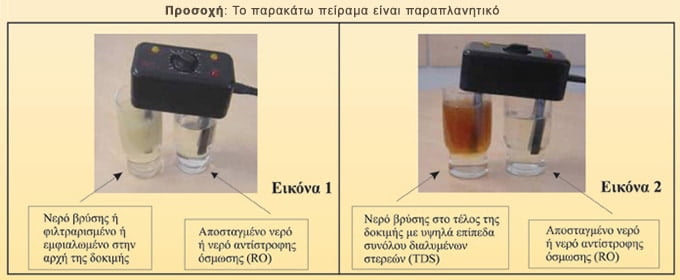

This question is absolutely logical and necessary, highlighting the prudence of a consumer who seeks not just a product, but a real solution for the quality of the water consumed by themselves and their family, as it is a matter of health. At Camelot®, the answer is clear:
Yes, you can and should try the filter before you buy it — with complete safety and no obligations.
The philosophy of Camelot® is based on transparency, trust, and the personal experience of the customer. For us, the relationship with the customer is not a simple sale, but a long-term collaboration that starts with a trial and continues with reliability, service, and care.
👨🔬 Free presentation and update at your location
The process begins with a completely free appointment at your location — whether it is a residence or a commercial space. A specialized consultant from Camelot® visits your space and conducts:
- On-site water analysis from your tap
- Demonstration of filtering technology in real time
- Comparison between unfiltered and filtered water
- Chlorine measurement, TDS, odors, sediment
- Explanation of different models
- Above all, information on prevention
So, before the purchase even happens, you can taste and see the difference.
This is the main difference of Camelot® compared to other companies, which simply send their filters via courier, without any prior explanation, without tests, without analysis or installation at your location. Camelot® offers you something qualitatively superior: personal presence, professional measurement, and experience before any decision.
🧪 How is the test done?
The test is practical and interactive. Special laboratory reagents and portable instruments are used that reveal immediately:
- The presence of chlorine (through reactions with solutions that change color)
- The difference in taste and smell
- The density of dissolved solids (TDS)
After this process, no words are needed – the proof is in front of you, in the glass.
🚫 No commitments or pressure
The filter test does not commit you to any purchase whatsoever. The consultant from Camelot® has no sales pressure or incentive. On the contrary, they are there to help you choose responsibly, based on your needs and the quality of your water.
You can get a full update, try it out in practice, and take your time to decide.
💡 The ability to try before you buy is something that almost no other company in the market offers.
Most filter companies operate purely commercially: they promote their filters online or by phone, send the devices via courier, and the customer is asked to install them themselves — without any prior information, water analysis, or technical demonstration. As a result, most users, due to ignorance, choose water filters that “seem affordable,” but ultimately do not meet their needs, nor do they deliver what they promise. They simply remove a bit of odor and only a little chlorine at first, but they do not remove dangerous chemical pollutants from the water.
At Camelot®, the approach is radically different: we do not sell water filter water — we offer a comprehensive water quality service. And this service starts with a free visit, detailed measurement, real-time testing, and comparison of results in front of the customer.
There is no promise — there is empirical evidence.
It is the only way to be absolutely sure about what goes into your glass.
This level of service is what has made Camelot® the top choice in Greece and Cyprus for decades.
✅ Final conclusion
Yes, you can and are encouraged to try the Camelot® filter before purchasing it. In fact, we encourage this process, as it gives us the opportunity to show you the difference in practice and to answer any questions you may have.
Camelot® does not sell “a water filter.” It offers experience, quality, and assurance, and this starts with a free presentation and trial in your own home – something that no other company offers to the same extent.
Contact us today and experience the difference in its purest form.

Certified tap water filters are devices that ensure the good quality of the water we consume daily. They clean 100% of the water from various elements and substances that are harmful to our health, such as heavy metals, chlorides, pesticides, bacteria, and many other chemical substances. Many filters on the market claim to “clean the water,” but only the existence of official certifications proves their effectiveness in practice.
✅ Why are certifications important?
Certifications are particularly important for water filters, as they provide credibility to their effectiveness. They protect the consumer by ensuring that the product is safe for use and works as claimed by the manufacturer. It is the only “proof” that can counter vague marketing statements and impressive but unsubstantiated experiments.
🌍 Which organizations provide certifications?
There are various organizations that provide certifications for water filters. The most important global organizations specializing in this field are NSF International and Water Quality Association (WQA).
These organizations’ certifications guarantee that water filters meet the highest standards of quality and safety. These organizations work with independent laboratories, implement strict testing protocols, and regularly review products.
🧪 What are the basic standards?
Specifically, the NSF offers many certification programs, with the most well-known being the NSF/ANSI 42 and NSF/ANSI 53 programs, which relate to the removal of harmful substances.
Additionally, the WQA offers the Gold Seal certification, one of the most stringent certifications in the world of water treatment. There are other programs as well, such as NSF/ANSI 401 for pharmaceutical residues or NSF P473 for PFOA/PFOS, which demonstrate an even higher level of protection.
🕵️♂️ Beware of false certifications
It is very important for someone to see the various certifications that exist and which organizations have issued them. There are companies in the field that exploit people’s ignorance and claim to have certifications from organizations. However, when asked, they have nothing to show and simply present some certificates from an individual with no value.
It is also important what parameters the tests have been conducted on. For example, some filters may have a certification from an organization regarding the removal of a certain parameter, such as chlorine. However, this does not mean that it removes all the others. Therefore, it is very important to see whether it has been tested on different parameters. A certificate does not mean “proof of purchase” or “a simple report of microbiological testing.” It refers to testing by an accredited body with a clear standard.
Finally, there are companies that have some certificate regarding the removal of hazardous pollutants from local laboratories. This says nothing. The local and small laboratories do not have the means to conduct thorough examinations for all hazardous substances and are not reliable.
🛡️ The reliability of Camelot® filters
The warranty of Camelot® water filters is certified by top accredited laboratories recognized worldwide, ensuring the excellent quality you are looking for. The Camelot® filters are tested on dozens of parameters, including pollutants that are not required to be checked by the state, but concern the actual protection of the organism.
🚰 Certification = Safety and Health
The certification of tap water filters is essential to ensure the safety and health of consumers. Without it, there is no guarantee that the filters work effectively and remove harmful substances from the water.
Therefore, when choosing a water filter, it is important to consider its certification, in order to protect our health and enjoy clean, safe water.
⚠️ Attention to filters that simply “reduce” pollutants
There are filters on the market that simply reduce some pollutants from the water. However, this does not protect us from various diseases, because most chemicals are not eliminated by our body, resulting in the development of serious illnesses. Water may appear clean but can contain PFOAs, microplastics, chlorinated compounds, or other invisible pollutants that are not detected by simple taste or smell.
🔗 Sources:
EPA – National Primary Drinking Water Regulations
NSF International – Certification Standards
Microns is a term widely used in the water filter industry and refers to the size of particles that a filter can remove from water. The term “micron” (or micrometer) is a unit of length measurement equal to one millionth of a meter (1 micron = 1 μm = 0.000001 meters). Many consumers confuse microns with the amount of filtration. In reality, the size of the pores (micron) is just as important as the quantity and type of material.
📏 Importance of Micron in Water Filters
⚙️ Particle Size
The size of the particles that a filter can remove is crucial for its effectiveness. A filter with a small micron rating can remove much smaller particles compared to a filter with a higher rating.
For example, a filter from 0.1 to 0.4 micron removes bacteria, while a 0.5 micron filter does not remove them and is suitable only for the removal of larger particles such as sand and sediments.
🦠 Types of Pollutants
The size of the pollutants that need to be removed determines the type of filter that will be used.
✅ Filtering Effectiveness
The performance of the filter directly depends on the size of the microns and the amount of activated carbon. It must be over 800 grams.
A filter with smaller microns is more effective in removing smaller-sized pollutants. The smaller the microns, the harder it is for pathogens, microplastics, and other hazardous substances to pass through, ensuring high-quality drinking water.
🔧 Usage Examples
🏡 Home Water Filters
In filtration systems for home use, choosing the right micron size is crucial for the provision of clean and safe drinking water.
For example, a 0.1 micron filter can be used for the removal of all pollutants and microorganisms.
🏭 Industrial Water Filters
In the industry, filters with different micron sizes are used for water treatment, depending on the needs of the process.
For example, in the pharmaceutical industry, filters with much smaller microns are required for the removal of microbes and microparticles.
🐄 Livestock Farming
In the livestock sector, water filters with appropriate micron sizes are used to ensure clean water for consumption by animals, thus avoiding diseases that can be caused by pollutants in the water. Providing filtered water with the correct micron can drastically reduce antibiotic consumption in livestock farming.
🔎 Importance of Choosing the Right Filter
The selection of the appropriate filter with the correct micron rating is of great importance for ensuring water quality. By considering the specific contaminants that need to be removed, users can choose filters that will meet their needs more effectively.
The 0.1 micron is the most effective.
Also, the proper maintenance and replacement of filters is essential for the ensuring of ongoing effectiveness of filtration for a whole year as long as it has active pharmaceutical carbon of 850 grams. High filtration performance is of no value if the filter is not replaced in the scheduled time.
🧪 Application in Activated Carbon Filters
The microns play a crucial role in active pharmaceutical carbon filters because the smaller the size, the better the filtration is.
Specifically, the microns of Imperial® Maximum and Imperial® Plus range from 0.4 to 0.1. Thus, they remove all pathogenic microorganisms from our water, because the smallest diameter of a pathogenic microorganism is over 0.5 micron. This means that the water is safe even for infants or vulnerable organisms.
✅ In conclusion
Microns are a critical measure for understanding and selecting water filters. Understanding exactly what they mean and how they affect the filtration process is vital for ensuring clean and safe water, whether for residential or industrial use. Do not choose a filter based solely on price. Always request technical specifications: micron, carbon weight, origin, and certification certifications.
🔗 Sources:
EPA – Guide to Drinking Water Treatment
NSF – Filtration Technologies & Micron Ratings
WHO – WHO Guidelines for Drinking-Water Quality (Book)

The quality and quantity of carbon play a very important role in water absorption and in its ability to remove hazardous pollutants from water. Carbon, especially activated pharmaceutical carbon, is one of the most common materials used for filtering and purifying water. Its ability to adsorb organic compounds, chemicals, and bacteria makes it extremely effective. Many consumers focus on the “filter size“, ignoring that without sufficient and quality carbon, filtration is inadequate.
🔍 What is Activated Carbon?
Active carbon is produced through a process that increases its surface area and its porous structure, allowing it to effectively bind chemical substances. The quality of active carbon depends on:
- the raw material that is used and
- the activation process
and of course it is very important to be high quality for the best results. Activated carbon is the only type used in medicine for detoxification – indicative of its purity.
🌴 The Quality of Activated Carbon
The quality and quantity 1200 and 850 grams of active pharmaceutical carbon of Imperial® Maximum and Imperial® Plus is among the most expensive and excellent available. It is produced on a Hawaiian island exclusively for our factories in America and comes from coconut husk.
This type of carbon has unique properties that make it particularly effective in 100% removal of pollutants from water. It has the adsorption capacity equivalent to hundreds of thousands of square meters.
This surface allows for the adsorption of a very large volume of pollutants, making it ideal for use in certified water filters. Coconut shell carbon is a sustainable raw material, environmentally friendly, and residue-free.
🔬 Different Types of Carbon and Their Performance
There are various types of carbon used in water filters, and their quality varies significantly. In addition to coconut shell activated carbon, there is also synthetic carbon used in other filters.
The synthetic carbon has a much lower efficiency and can be dangerous. Its structure is not as porous as that of activated medicinal carbon from natural raw materials and therefore cannot adsorb the same amounts of pollutants.
This means that filters using synthetic carbon are not effective and do not remove all harmful substances from the water, they simply reduce some. Some filters do not clearly state what type of carbon they contain – ask for detailed specifications.
⚠️ The Importance of Choosing the Right Filter
It is crucial to choose certified water filters that use high-quality and high-quantity activated carbon. Choosing cheaper filters that use synthetic carbon can have negative health consequences, as they do not provide the same level of purification.
The quality of the water we drink directly affects our health, and that is why it is important to invest in certified high-quality filters. Camelot® filters have international certifications from NSF and WQA for the capabilities of their carbon.
✅ Conclusion
The quality and quantity of carbon plays a crucial role in the effectiveness of Camelot® water filters.
The active carbon of Imperial® Maximum and Imperial® Plus, which is produced from coconut husk in Hawaii, is one of the highest quality options on the market, providing the best absorbency and water purification.
The investment in such certified filters ensures that the water we consume is safe and clean.
On the contrary, filters with synthesized carbon do not offer the same protection and can be dangerous.
Therefore, the choice of the right filter is vital for our health.
🔗 Sources:
EPA – Water Treatment Technologies
NSF International – Activated Carbon Filters
CDC – Home Water Treatment: Activated Carbon

The water filtration systems of Camelot®, such as Imperial®, have the primary goal of removing harmful substances from the water, while maintaining the good minerals and trace elements that are beneficial for human health.
There is a frequent concern among consumers about whether water filters remove the essential minerals needed by the body. In the case of Imperial® systems, the answer is clear: good minerals are not removed. While in the case of other reverse osmosis systems of competitors, they are removed and the water becomes undrinkable as you will see below.
💧 The Importance of Mineral Salts in Water
The metallic salts and trace elements such as calcium, magnesium, potassium, and others are essential for the human body.
These metals:
- Contribute to the proper functioning of muscles and nerves
- They strengthen bone health
- Contribute to the balance of electrolytes in the body
The lack of these elements can lead to problems such as:
- Muscle cramps
- Weak bones
- Electrolyte imbalance
Many bottled waters on the market are low in mineral salts, without consumers being aware of it.
⚙️ How Imperial Systems Work
The Imperial® systems from Camelot® use filtration technologies that:
- Remove harmful pollutants such as chlorine, heavy metals, microorganisms, and dangerous chemicals
- They retain the good metallic salts
This is achieved through:
- Active pharmaceutical compressed coconut charcoal Grade 1
- Special membranes internally and externally. The membranes are selected to allow only the essential metals for the organism to pass through.
🧪 The Experiment with the TDS Meter
To demonstrate that the Imperial® systems do not remove beneficial metal salts, we use the Total Dissolved Solids (TDS) meter.
The TDS meter:
- Measures the concentration of dissolved salts in the water
- It does not indicate if the water contains chemicals, but only the presence of salts
In the experiment, we use the TDS before and after filtering the water. The TDS reading remains stable, proving that the good mineral salts are not removed. This experiment is conducted live for every new customer for transparency and reliability.
📊 The Concept of TDS Indication
It is important to understand what exactly a TDS meter measures:
- Gives a general indication of the amount of dissolved salts (good or bad)
- It is not a purity assessment tool
- Does not detect the presence of chemicals or toxic substances
Example:
- Deionized water from the supermarket shows ≈ 0 TDS
- Nevertheless, it may contain chemicals or be unsuitable for drinking
This is also the reason why TDS cannot be considered a “purity test,” as some companies claim.
✅ Conclusion
The Imperial® water filtration systems from Camelot® are designed to provide:
- Clean and safe water
- Without removing the essential metal salts
With the help of the TDS meter, we demonstrate that good salts remain after filtration.
The correct understanding of the role and indications of TDS is crucial for the assessment of water quality.
The good metallic salts are essential for our health, and the Imperial® systems ensure:
- Security
- Clarity
- Nutritional value of water
A filter that completely purifies water but also removes essential minerals is a “colorless,” dangerous solution.

We often hear the question, especially in Cyprus: “Does your filter remove the stone from the water?”. However, it is important to clarify that the term “stone” is not scientific. When someone refers to “stone,” they actually mean the hardness of the water, that is, the presence of dissolved mineral salts, mainly calcium and magnesium.
🧪 Priority: Removal of Chemicals and Toxic Substances
Before we examine the issue of hardness, it is crucial to know that the most significant problems with drinking water today are not the salts, but dangerous chemicals, such as:
- Chlorine and chlorination by-products (e.g. THMs)
- Pesticides and drug residues
- Heavy metals, microplastics, PFAS and other carcinogenic compounds
The above are invisible, tasteless, odorless, but also much more harmful to health than the visible salts on tiles, faucets, or kettles. That is why the primary priority of any water filter should be the removal of these substances, in order to protect human health, especially that of children.
You can have mineral salts in your water and at the same time drink absolutely pure water from chemicals – and vice versa: you may not have many mineral salts but drink water full of dangerous compounds. Therefore, the aesthetic problem of salts should not be your main concern.
💧 And what about the metallic salts;
If your water leaves visible salts, it is likely that it has high hardness. Hardness is not always harmful to health, but it can create:
- Deposits in faucets and electrical appliances (e.g. kettles, water heaters)
- Reduction of cleaning power (e.g. in washing)
- Taste or aesthetic issues (e.g. cloudiness in tea, coffee)
To answer accurately, we need to measure the hardness of your water, which we can do completely free of charge during the home visit we make.
Then, depending on the use (e.g. for drinking water, bathing, etc.), we can suggest:
- Drinking water filter, like the Imperial® Plus, that does not remove metallic salts and trace elements because they are not dangerous for drinking (on the contrary, they are essential for our health as they are electrolytes), but eliminates chlorine, pesticides, toxic substances, and any other hazardous chemical pollutants, etc.
- Camelot® offers solutions for hardness as well – not with reverse osmosis that wastes 70% of water, but with friendly and economical technologies, without unnecessary maintenance. This is a combination of Imperial Plus with our distillation devices, so you can not only ensure the purity of the water but also reduce hardness, e.g., between 150-500 ppm. In case of such a need, one of our specialists will explain how it can be done.
✅ What to remember:
- The “stone” is not dangerous – the chlorine, pesticides, and chemicals are.
- Every home has different needs: that’s why we offer FREE hardness measurement.
- We always suggest the best possible solution, without exaggerations and without “blind” sales.
📞 Contact us to schedule a visit and measure your water — not just the salts but to explain to you up close about the dangers present in the water and the solution.

👉 The European Drinking Water Directive (2020/2184/EU) does not set a maximum limit for the hardness of water nor for the total dissolved solids (TDS).
🔹 Hardness
- Hardness mainly comes from calcium (Ca²⁺) and magnesium (Mg²⁺).
- The EU does not consider it dangerous to health, so there is no “maximum allowable limit.
- Defines only aesthetic / functional limits: very hard water creates salts, while very soft can cause pipe corrosion.
🔹 TDS (Total Dissolved Solids)
- The EU does not set a maximum legal limit for TDS.
- The WHO (World Health Organization) provides guideline taste values:
- <300 mg/L → Excellent quality
- 300–600 mg/L → Good quality
- 600–900 mg/L → Acceptable
- 900–1200 mg/L → Poor quality
- >1200 mg/L → Generally unsuitable for drinking due to taste
✅ Conclusion:
- There is no “maximum allowable limit” from the EU for TDS or hardness.
- There are aesthetic / practical limits. For good drinking water, TDS < 600 mg/L and hardness up to ~250–300 mg/L CaCO₃ are preferred.
📊 Comparison of Limits & Recommendations
| Παράμετρος | ΕΕ (Οδηγία 2020/2184) | WHO (ΠΟΥ) | ΗΠΑ (EPA, US) |
| TDS (Total Dissolved Solids) | ❌ Δεν υπάρχει ανώτατο όριο | <300 mg/L → Εξαιρετικό 300–600 mg/L → Καλό 600–900 mg/L → Αποδεκτό 900–1200 mg/L → Φτωχό >1200 mg/L → Ακατάλληλο |
500 mg/L → Secondary Maximum Contaminant Level (SMCL, αισθητικό όριο) |
| Σκληρότητα (ως CaCO₃) | ❌ Δεν υπάρχει όριο (μόνο ενδεικτικά για αισθητικά/τεχνικά ζητήματα) | Δεν υπάρχει υγειονομικό όριο. Συνιστάται ~80–500 mg/L για καλή ισορροπία γεύσης. |
Δεν υπάρχει υγειονομικό όριο. |
✅ Summary
- EU: It does not set specific limits for TDS or hardness, only for individual salts (e.g. nitrates, chlorine, lead).
- WHO: Uses TDS as a taste indicator.
- EPA (ΗΠΑ): Ορίζει 500 mg/L TDS ως δευτερεύον αισθητικό όριο.
👉 So, if we are talking purely about drinking water quality, a TDS of up to 500–600 mg/L is generally considered good tasting internationally.

Basic sources of the above are:
- European Directive 2020/2184/EU – on the quality of drinking water and general guidelines without strictly defined limits for TDS or hardness. Source: European Commission
- World Health Organization (WHO) – for the water quality guidelines and recommendations for TDS and other parameters. Source: WHO
- Environmental Protection Agency (EPA) – for the limits and recommendations of the USA regarding drinking water quality. Source: EPA

The existence of well water or water of unknown quality is a common phenomenon in many areas, especially in rural areas or in regions where access to municipal water sources is limited.
Concerns about water quality are entirely justified, as water can contain various pollutants, such as bacteria, viruses, heavy metals, chemicals, and even radioactive elements. Often, such types of water are not accompanied by any official analysis or quality control.
🛠️ How can we clean your water?
Our systems, such as Columbia D and Aqua Vie, are designed to purify water from anything, making it safe for consumption.
💧 Columbia D and Aqua Vie: The purification process
🔥 1. Evaporation and Distillation
The Columbia D and Aqua Vie systems operate through the processes of evaporation and distillation. This process involves:
- Heating the water until it evaporates, leaving behind pollutants, heavy metals, microorganisms, and other inorganic and organic substances.
- Condensation of steam back into liquid form, producing pure H₂O
💎 2. Creation of Pure, Clean Water
The water resulting from this process is pure, without any pollution. Because distillation removes all pollutants, there is no need to check the quality of the source water.
The same process is used in medical or laboratory applications of high purity.
🧂 3. Enrichment with Mineral Salts
After distillation, the pure water goes through a process of enrichment with mineral salts. The enrichment:
- It is critical for health
- Restores essential nutrients
- Ensures that the water is both clean and healthy
🔍 Why choose the Columbia D and Aqua Vie systems from Camelot®?
- Absolute Safety: The evaporation and distillation process removes all pollutants, providing high-quality water.
- Simplicity: You don’t need to worry about the quality of the source water — even well water or water of unknown quality is effectively purified.
- Healthy Water: The enrichment with mineral salts makes it ideal for daily consumption.
- Health Protection: Without pollutants means without risks from pathogenic microorganisms and toxic substances
Camelot® is one of the few companies that combines distillation and enrichment into a single, certified solution.
🧠 Final Thoughts
Ensuring the quality of the water we consume is vital for our health.
The Columbia D and Aqua Vie systems offer a reliable solution for water purification, regardless of its initial quality.
With the distillation technology and the enrichment with mineral salts, you can be assured that your water is clean and healthy.
If you have any doubts about the quality of your water, our systems can provide you with the solution you need.
Contact us for more information and to learn how we can help you ensure clean, pure water for you and your family.

The quality of drinking water is a matter of utmost importance for our health and well-being. Pathogenic microorganisms, such as bacteria, viruses, and parasites, can cause serious illnesses if consumed through water. To address this issue, Camelot® has developed advanced systems that ensure the removal of these microorganisms as well as their by-products.
💨 Evaporation and Water Creation from Scratch
Our systems, such as Aqua Vie® and Columbia® D, use the process of evaporation to produce pure water. This process works as follows: The water is heated until it evaporates and then condenses, collected, and enriched with mineral salts. Through this process, pathogenic microorganisms cannot survive, as the high temperature destroys their structure.
This process, besides ensuring the removal of pathogenic microorganisms, also offers other advantages. It also removes heavy metals, salts, and other inorganic substances, resulting in water that is clean and free from pollutants and subsequently enriched with mineral salts. Thus, systems like Aqua Vie® and Columbia® D guarantee 100% clean and safe drinking water.
🧪 Microfilters and Ceramic Filters
Our systems such as the Imperial® Maximum, Imperial® Plus, and Columbia® II Plus are equipped with microfilters that have pore diameters of 0.1 micron and below 0.4 micron respectively. Pathogenic microorganisms have a diameter greater than 0.7 micron, which means that they cannot pass through these filters.
These filters operate with mechanical retention, where microorganisms remain outside the membrane and never enter the filtered water. The Imperial® Maximum and Imperial Plus use advanced membranes that retain microorganisms externally 100%.
📈 Effectiveness and Reliability
The effectiveness of these systems has been proven through numerous tests and certifications. The systems of Camelot® have been certified by international organizations for their ability to remove pathogenic microorganisms and other pollutants from water. The use of such advanced technologies ensures that users can trust the quality of the water they consume.
✅ Conclusions
Our health directly depends on the quality of the water we consume. Pathogenic microorganisms are one of the most significant risks to our health, and removing them from drinking water is critical. The Camelot® systems, such as Aqua Vie®, Columbia® D, Imperial® Maximum, Imperial® Plus, and Columbia® II Plus, offer effective solutions for the removal of these microorganisms.
The use of evaporation technology and advanced microfilters ensures that the water we consume is absolutely clean and safe. With the implementation of these systems, we can protect our health and enjoy clean, safe drinking water every day.

The answer is Yes, the Imperial® Plus filter from Camelot® is specifically designed to provide the highest level of protection and effective removal of both pharmaceutical residues and microplastics that may be present in drinking water. Its capability is due to a series of technologically advanced features and certified filtration stages, making it one of the most reliable options in the field of household filters.
🧪 How does Imperial® Plus remove medications?
Today, in all areas, even tap water contains residues of pharmaceutical substances, such as antibiotics, hormones, anti-inflammatories, painkillers, and many others. These may come from human use, from veterinary medicines, agriculture, or even from waste that is returned to the water supply network without complete treatment.
The Imperial® Plus filter includes an advanced activated carbon cartridge, manufactured with specialized compression technology (carbon block), which ensures:
- Maximum contact area with water (over 3,000 sq.m./gr.)
- Enhanced porosity, capable of binding organic microparticles and chemical residues
- Retention capacity of drugs, pesticides, and volatile organic compounds (VOCs)
In addition, the filter undergoes strict testing and carries international certifications (NSF, WQA) that confirm its ability to remove over 95% of specific pharmaceutical residues.
🧼 How does it remove microplastics?
Microplastics are invisible pollutants that come from the wear and tear of plastic items and are now found in all environments — even in tap drinking water. Recent studies have shown the presence of thousands of microplastic particles per liter, even in cities with seemingly good networks.
The Imperial® Plus features a porous filter of 0.4, 0.3, 0.2, or even 0.1 micron, depending on the version chosen by the consumer. These diameters are multiple times smaller than the size of most microplastics, which range from 1 to 500 microns.
👉 This means that:
- Microplastics naturally are retained in the structure of the filter
- They are not allowed to pass through the clean water outlet.
- The kidneys, liver, and the entire intestinal system are protected by their consumption.
🛡️ Why is the removal of these substances so important?
The chronic consumption of water that contains drugs or microplastics, even in small amounts, has been linked to long-term health effects:
- Ορμονικές διαταραχές και προβλήματα στο ενδοκρινικό σύστημα
- Microbial resistance to antibiotics
- Toxin accumulation in the body
- Effects on the reproductive system and on sensitive organisms such as children and embryos
By using a certified water filter Camelot® such as Imperial® Plus, the consumer can have complete confidence that they are protecting their health and that of their family from invisible but extremely dangerous pollutants.
✅ Final conclusion
The Imperial® Plus yes, removes both medications and microplastics from tap water. It is certified, safe, and technologically advanced, while combining:
- 99%+ yield in organic and chemical compounds
- Truly microporous filters that block even the finest particles.
- Certifications that guarantee its effectiveness
It is a choice that stands out not only for its quality but also for its transparency, durability, and reliability — something that has established Camelot® at the top of the market in Greece and Cyprus.

Water quality is a matter of utmost importance for public health, especially in areas facing pollution issues such as hexavalent chromium and arsenic. The health impacts of these pollutants are serious and range from chronic diseases to cancer. For this reason, the need for reliable, guaranteed, and certified water purification systems is more urgent than ever. Local communities in high-risk areas, such as Messapia, Oinoi, and Halkidiki, have a particular need for proven effective solutions.
💧 Our Systems: Columbia D® and Aqua Vie®
Our certified systems Columbia D® and Aqua Vie® offer high-tech solutions that guarantee clean water, free from any dangerous pollutants such as hexavalent chromium and arsenic. The technology they use is based on water evaporation and recreating it from scratch, a process that ensures 100% removal of pollutants. This method is particularly effective as it removes not only heavy metals but also other dangerous pollutants such as boron and other toxic compounds. Water production from evaporation is internationally regarded as one of the safest technologies for water in crisis areas.
🧬 Effectiveness in Areas with Hexavalent Chromium
The hexavalent chromium is a pollutant often found in industrial areas and is known for its carcinogenic properties. The Columbia D® and Aqua Vie® systems address this issue with exceptional effectiveness. Through the evaporation process, they completely remove hexavalent chromium, providing clean and safe water for consumption and other uses. This technology is proven to be compatible with the World Health Organization’s standards for addressing hexavalent chromium.
⚠️ Effectiveness in Areas with Arsenic
Arsenic is another serious pollutant that affects the quality of water in many areas, particularly in agricultural and mining zones. The Imperial® Plus system, one of our top products, features a special filter that is certified effective in removing arsenic. This filter has proven to be particularly effective in areas such as Chalkidiki, where the arsenic problem in water is significant. The certifications of this filter guarantee that the resulting water is free from arsenic and safe for consumption. Beyond Chalkidiki, our systems are also applied in areas of Cyprus, such as Paleometocho and Lympia, with similarly positive results.
🛠️ Technology and Reliability
Our systems’ technology is based on advanced cleaning methods that combine physical and chemical removal of pollutants. The evaporation and recomposition process of water is one of the most reliable methods for the complete removal of heavy metals and other toxic substances. Additionally, our filters, such as those of Imperial® Plus, undergo continuous checks and certifications to ensure their absolute effectiveness. Each filtration unit comes with real-world testing data, providing transparency and assurance to the consumer.
🌍 Environmental Responsibility
In addition to the protection of human health, our systems also contribute to the protection of the environment. By removing toxic substances from water, the burden on water resources and ecosystems is reduced. This is particularly important in areas with intense industrial or agricultural activity, where water pollution poses a significant problem in the emergence of many and serious diseases. Camelot® adopts circular economy strategies, encouraging minimal impact on the environment at every stage.
✅ Conclusion
In a world where water quality is becoming increasingly critical, the certified water purification systems from Camelot®, Columbia D®, Aqua Vie®, and Imperial® Plus offer reliable and guaranteed solutions. Especially for areas with issues such as hexavalent chromium and arsenic, our products ensure clean and safe water, protecting the health of people and the environment. With our advanced technologies and certified solutions, we can effectively address any challenge in the field of water cleanliness, contributing to prevention and our good health. Camelot® does not just provide filters, but scientifically backed solutions with a human and environmental focus.
🔹 The answer is: No – and we explain why.
When you purchase a water filter like the Imperial Plus® or the Imperial Maximum® from Camelot®, you are buying certified quality, top performance, and decades of expertise. These units are designed and tested to provide continuous effectiveness for up to 12 months or for a specific volume of water consumption – up to 15,000 liters of water, depending on the quality of the incoming water and household usage.
🔬 The Camelot® filters are manufactured in the USA and use pharmaceutical grade active carbon Grade 1 in large quantities of 850 grams in the Imperial Plus®, as well as specialized 0.1 micron filtration membranes. These technologies have not only been tested in the lab – they have been certified by international organizations, such as NSF (National Sanitation Foundation), to maintain their filtration capacity for the entire duration of time.
✖️ On the other hand, many so-called competitive filters on the market cannot maintain their performance beyond 2 to 6 months. Particularly filters that use smaller amounts of carbon or cheaper materials lose the ability to retain chlorine, micropollutants, and chemicals present in the network water very quickly. This means that their manufacturers recommend or even require changing the filter every 3 or 6 months, not for safety reasons, but because the filter ceases to be effective. All these filters simply reduce chemical pollutants and do not remove them all, resulting in a cumulative effect within us with all the consequences.
📈 This leads to multiple annual filter changes – and consequently, to higher costs for the consumer. A filter that seems economical at first may end up costing double or even triple over time, precisely because it requires frequent replacements. In contrast, Camelot® filters offer consistent, predictable performance and specific, annual usage costs, without surprises.
💡 Additionally, Camelot® ensures that the performance of its filters is not based on the subjective judgment of the user, but on measurable data: time (1 year of use) or quantity (up to 15,000 liters), whichever comes first. This approach is not only technically sound but also fair to the consumer.
📌 In conclusion:
There is no reason to change the Imperial Plus® or Imperial Maximum® filter before its recommended lifespan, unless you have overconsumed the volume of filtered water. Early replacement, which is imposed on other low-quality filters, is a result of technical limitation, not preventive care.
💧 When you choose Camelot®, you choose safety, durability, reliability, and transparency.
You don’t need to spend more, but to know exactly what you are paying for and what it offers you.
Camelot® is known for its commitment to providing high-quality water purification solutions. With its experience, knowledge of water, and innovations, the company has been offering systems that ensure certified clean, healthy, and great-tasting water for you and your family for 45 years, for drinking, cooking, and washing your food. There are many reasons to acquire a water purification system from Camelot®, and we will explore some of the most important ones.
🛡️ Guaranteed Quality and Safety
The water purification systems of Camelot® provide guaranteed clean and healthy water for an entire year, up to the last glass before you need to change the internal filters. This means you can have complete confidence that the water you drink is safe and free from harmful pollutants and pathogens. This duration is proven in laboratories and verified by international water quality organizations.
Camelot® contributes to the development and maintenance of people’s health with modern and scientifically validated solutions.
🧪 Scientific Documentation and International Certifications
The Camelot® water filters have been created after years of research and have been examined by major organizations such as:
- the California Department of Health Services
- the Ortech International
- the F.D.A.
- the NSF
- the WQA of America
- and the Aristotle University of Thessaloniki
These certifications are not just credentials – they are proof of the international recognition that Camelot®‘s expertise has.
🔬 Advanced Technology and Better Materials
Camelot® uses the most advanced technology with filtration resources from 0.1 to 0.4 microns, the best quality activated pharmaceutical carbon 850 to 1200 grams, and the best construction materials for its systems.
This ensures that the water you drink is cleaner, clearer, and healthier, while maintaining the best taste compared to any other competitive product. Camelot® has significantly invested in R&D, surpassing common market standards.
💰 Economy and Convenience
One of the main benefits of purchasing water filters from Camelot® is the cost savings. Unlike buying bottled water, Camelot® purification systems offer an affordable solution, reducing:
- τις δαπάνες,
- την επιβάρυνση από μεταφορά,
- and the need for continuous bottle purchases.
The transition from bottled water to Camelot® filters has been calculated to reduce costs by up to 95% annually.
Systems like the Imperial® Maximum and Imperial® Plus require filter changes only once a year, reducing maintenance and providing superior performance.
🔩 Durability and Warranty
The water purification systems of Camelot® are made of stainless steel, which offers a lifetime warranty.
This means that by investing in a purification system from Camelot®, you will have a product that will serve you for many years without issues.
🧑🔧 Professional Support
The experienced health consultants of Camelot® are always at your disposal to provide you with the solutions you need in your area, wherever you are.
Whether it is about:
- the choice of the appropriate water purification system
- the provision of maintenance advice
- the installation of a new system
- or the replacement of the filter element
The experienced team of Camelot® is ready to support you every step of the way. The company has certified technicians and the ability to provide nationwide service within 48 hours.
⭐ Customer Trust and Satisfaction
Camelot® already has over 30,000 five-star reviews from customers who write the best comments about its products and services.
Our customers particularly appreciate:
- the quality of the water
- the reliability of systems
- and the excellent service
98.95% of customers state that they would continue to recommend Camelot® filters to friends and family.
✅ Conclusion
Purchasing a water purification system from Camelot® is a investment in your health and well-being.
With:
- guaranteed quality
- advanced technology
- scientific documentation
- Economy
- resilience
- and professional support
The water purification systems of Camelot® are the ideal choice for every home. It is a gift you give to yourself and to the people you love.
Ensure clean, healthy, and tasty water for you and your family with the reliability and quality of Camelot®.
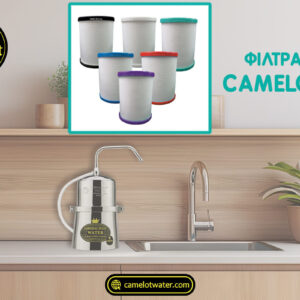
The answer is a big and clear YES. If you have an aquarium, using filtered water, especially from a quality filter like the Imperial® Plus from Camelot®, is one of the most important choices you can make for the health of the fish and the long-term stability of the ecosystem within your aquarium.
Let’s take a look at the most important reasons why the filtered water of Camelot® is the ideal choice for your aquarium:
✅ 1. Removal of chlorine and chloramines
The network water (tap water) contains chlorine and/or chloramines, chemical substances used for disinfecting drinking water. They are extremely toxic to fish and other aquatic organisms. Chlorine destroys the gills of fish and can lead to serious complications or even death. The Imperial® Plus filter from Camelot®, thanks to its advanced technology and activated carbon filters, effectively removes 100% of these substances. The same applies to sensitive aquatic plants, which are also negatively affected by residual chlorine.
🧪 2. Removal of heavy metals
The network water may contain traces of heavy metals such as lead, copper, arsenic, or cadmium. These substances come either from old water supply networks or from environmental pollution. For fish and invertebrates, even in small amounts, heavy metals can be fatal. The Camelot® filters offer multiple stages of purification, including active materials that bind and remove these hazardous elements.
⚖️ 3. pH Stability and General Characteristics of Water
The quality of water is critical for the well-being of fish. The filtered water from the Imperial® Plus system by Camelot® is chemically stable, with no extreme fluctuations in pH, alkalinity, or hardness. This helps in creating a stable environment for the fish, which reduces stress and the likelihood of disease.
🧼 4. Reduction of ammonia and organic pollutants
Although the Camelot® filter does not replace the biological filtration of the aquarium (i.e., the breakdown of ammonia into nitrites and nitrates), it provides clean water free from harmful organic pollutants. Thus, the aquarium starts from a better foundation, and the aquarium filters can operate more efficiently without additional load.
👃 5. Elimination of unpleasant odors and cloudiness
Tap water may contain tiny particles, organic compounds, and even salts that cause cloudiness or odors. Filtered water from the filters of Camelot® is pure, clear, and odorless, ensuring that your aquarium remains aesthetically flawless and healthy.
🐟 6. Safety for sensitive fish and plant species
Some tropical or exotic fish species are particularly sensitive to water quality. The same applies to many aquatic plants. By using filtered water, you provide the best possible foundation for their growth and survival, without the stress of chemical fluctuations or unwanted substances.
💰 7. Long-term cost savings
Although at first it may seem that using filtered water is an additional process, it actually offers long-term financial benefits. Fewer fish losses, less need for medications, fewer water changes, better performance of aquarium filters. All of this means lower expenses and more enjoyment. It also reduces the need for continuous chemical adjustments in the water, which saves additional money in the long run.
✅ Conclusions
If you love your fish and want to provide them with a stable, clean, and safe environment, the answer is clear: put filtered water from the Imperial® Plus filter in your aquarium. This is a simple yet extremely critical move that can determine the longevity and well-being of the organisms you host.
The aquarium is a closed ecosystem, and everything you introduce – water, food, decorations – has a direct impact on it. With the filtered water of Camelot®, you lay the foundation for a healthy, vibrant, and happy aquarium.
Choosing a water filter is an important decision that directly affects your health and the well-being of your family. In the event that a company calls you and offers you a filter with a cheap solution, you should be particularly cautious. Let’s take a look at some reasons below.
⚠️ Financial filters: Approach with Caution
The economical filters may seem attractive due to their lower price. However, it is important to ask ourselves whether they can truly provide the required quality of purification or if you are just deceiving yourselves. Health is something that cannot be compromised, and this includes the water we drink.
Many filters available on the market, especially the cheaper ones, may be of questionable quality. Some even have a UV lamp, which is supposed to disinfect the water, but without official certifications and standards like those of NSF, the results can be disappointing and dangerous. When the filtered water from these filters is examined, it is often filled with chemical pollutants and other harmful substances. There are cases where inexpensive filters have even shown bacterial growth within the system, due to unsuitable materials and inadequate technology.
🛡️ Attention to the Certification
The certification of water filters by official bodies is essential to ensure that our water is truly clean and safe. Filters that are not certified may seem like a cheap solution, but in the long run, this choice can have serious consequences for your health.
🤝 Comparisons and Representatives
That’s why it’s a good idea to schedule an appointment with someone from another company at the same time as a representative from Camelot®. This way, you can make the necessary comparisons and avoid being deceived in order to acquire the best water purification system for your family in the most economical way, as it is a matter of health. The physical presence of our representative ensures that you will be able to see certification samples, conduct on-site measurements, and receive personalized answers.
✔️ The Right Choice
Choosing a water filter should be based on the quality and reliability of the product, not just the price. Camelot® offers certified filters that guarantee clean and healthy water. With the right research and comparisons, the decision you make will be the right one, and you will definitely be drinking clean and healthy water without being deceived.
📣 Last Thoughts
The water filter market is not a simple matter and should not be based solely on cost. Water is the foundation of our lives, and its purity is vital. That’s why call us, and we will assist you. Camelot® is here to help you make the best choice for your family’s health and well-being.
With the right information and the correct comparisons, you can be sure that the water you drink is safe and clean, protecting your health.

The water purification systems from Camelot® offer top performance and convenience for everyday use. However, to maintain high efficiency and protect the health of your family, it is essential to replace the internal filters in a timely manner.
📅 The filters must be replaced every year or when they have filtered a specific number of liters, as specified by the manufacturer and by the NSF (National Sanitation Foundation) – one of the most stringent international certification bodies.
⏳ Why do filters have a lifespan?
🔴 Like all materials, filters also have a defined lifespan.
📌 A simple example:
- Milk spoils after the expiration date.
- A fabric loses its strength over time, even if it is not used.
- Car tires, even if not used, must be replaced after the date specified by the manufacturer.
- Medications lose their effectiveness and become ineffective.
🔴 The same applies to the active pharmaceutical carbon. From the moment a glass of water passes through the filter, its lifespan starts to count – and it is up to 12 months.
After this period:
- The filter’s ability to remove pollutants decreases gradually.
- The accumulated pollutants may pass into the water.
- The construction materials lose their natural cohesion and can themselves be transformed into pollutants.
🔁 Why is it so important to keep up with maintenance?
🔴 The extension of use beyond the recommended time limit does not save money – on the contrary, it puts health at risk.
Filters are protective tools, not decorative or optional components.
✅ Conclusion
Για να εξασφαλίζετε πραγματικά καθαρό και υγιεινό νερό, τα εσωτερικά φίλτρα των συστημάτων Camelot® πρέπει να αλλάζονται υποχρεωτικά κάθε χρόνο, ακόμα κι αν δεν έχει χρησιμοποιηθεί συχνά.
🔴 The delay in changing negates the function of the filter and can cause health problems, which is unacceptable for a product of health significance.
📌 Camelot® has designed its filters based on the strictest standards worldwide – and for this reason, maintenance compliance is an integral part of the overall safety of the consumer.
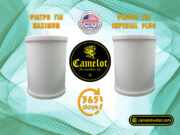
The use of water filters has become an integral part of the daily lives of many households seeking to improve the quality of the water they consume. In particular, water filter systems such as Aqua Vie® and Columbia® D have gained the trust of consumers in challenging cases of contaminated water due to their efficiency and ease of use. However, a common question that arises is whether the cartridges of these systems really need to be changed according to their specifications or if they can continue to be used for a longer period without replacement.
🛠️ Why is it important to change the cartridges?
The cartridges of water filters are manufactured with specific specifications and have a defined lifespan. There are several reasons why regular replacement is necessary:
🔹 Enrichment of water with mineral salts
The cartridges of the Aqua Vie® and Columbia® D systems are designed to enrich water with essential mineral salts such as calcium and magnesium. These mineral salts not only improve the taste of water but are also necessary and contribute to the overall health of the human body. As the cartridge is used, its ability to enrich the water decreases, making its replacement necessary.
🔹 Activated Carbon
The cartridges contain activated carbon that acts as a filter for absorbing harmful substances, such as chlorine, heavy metals, and other chemical compounds. The lifespan of activated carbon is limited and decreases over time with continuous use. After one month of use, the efficiency of the activated carbon significantly decreases, making its replacement necessary to ensure water quality.
🔹 Lifespan of the cartridge
As mentioned, the lifespan of the cartridge is one month from the moment it is used. After this period, the cartridge cannot guarantee the same filtering quality, as the materials used begin to weaken, wear out, and lose their effectiveness.
⚠️ What happens if we don’t change the cartridges in time?
Failure to timely change the cartridges can have several negative consequences:
- Taste degradation: Water can acquire an unpleasant taste due to the lack of essential mineral salts.
- Insufficient enrichment with mineral salts: Delayed replacement of the cartridges means that the enrichment will either have fewer mineral salts or possibly none at all, thus reducing the quality and benefits of the water.
📉 Is the extension of cartridge use efficient?
Some consumers may think they can extend the use of cartridges to reduce costs. However, this practice is not cost-effective in the long run. The degradation of water quality can lead to increased medical expenses.
✅ Conclusions
The replacement of the cartridges of the filtration systems Aqua Vie® and Columbia® D according to their specifications is essential for ensuring the quality and safety of the water we consume. The cartridges are designed to operate effectively for one month, and after this period, their efficiency significantly decreases. Regular replacement not only ensures better water quality but also prevents health issues and damage to the filtration system. Therefore, compliance with the specifications for changing the cartridges is crucial for the optimal operation and long-term performance of the filtration system.
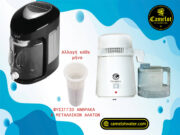
Water filtration has become essential in modern life, as the quality of the water we consume directly affects our health. Consumers use various methods to improve water quality, such as water filters and other purification devices. After the water has been treated, the question often arises: how long can we keep this water safe for consumption?
🧼 The Importance of Cleanliness and Maintenance
The cleanliness of water storage containers is crucial for maintaining the quality of treated water. By using clean bottles, we eliminate the possibility of contamination from microorganisms that can cause unpleasant tastes or even health issues. It is also important to store water in the refrigerator in glass bottles. This way, we can keep the filtered water for up to 5 days to ensure it is perfect.
🧊 Recommendations for the Preservation of Processed Water
Camelot®, a company known for its high-quality water filters, recommends that consumers store processed clean water in glass bottles in the refrigerator for 4-5 days. This period is ideal for maintaining the high quality and purity of the water. The refrigerator provides a stable, low-temperature environment and keeps the water fresh and safe for consumption. Additionally, it is advisable to sterilize the bottles at regular intervals, especially when used repeatedly, to avoid the re-emergence of microbial contamination.
🍶 Why Glass Bottles and Not Plastic?
The use of glass bottles for storing water has multiple advantages over plastic. First, glass does not leach chemicals into the water, which happens with plastic bottles, especially when they are exposed to temperature changes. Additionally, glass is an inert material that does not absorb odors and flavors, ensuring that the water remains fresh and free from unwanted changes in taste, as long as we properly maintain the glass bottles.
⚠️ The Risks of Long-Term Storage
Long-term storage of water, beyond the recommended period of 4-5 days, can lead to deterioration of its quality. Water can absorb odors and flavors from the environment, even inside the refrigerator, if it is not well sealed. Additionally, prolonged storage can increase the risks of losing its good quality.
📝 Practical Tips for Water Storage
To ensure that the filtered water remains safe and fresh for consumption, follow these practical tips:
- Use clean glass bottles: Before storing water, make sure the bottles are clean. This will eliminate the risk of contamination.
- Seal the bottles well: Use bottles with airtight caps to prevent the entry of air and microorganisms.
- Store water in the refrigerator: The low temperature of the refrigerator will help maintain the quality of the water for more days.
- Avoid exposure to light: Light can promote the growth of bacteria, so store water in glass containers or in places away from direct light.
✅ Conclusion
The preservation of filtered water is important for ensuring its quality and safety for consumption. Camelot® recommends keeping your processed clean water in glass bottles in the refrigerator for 4-5 days. This approach not only keeps the water fresh and clean, but also reduces the risks of contamination. By following the above practical tips, you can enjoy high-quality water, always safe and healthy for you and your family.
🧪 What is happening with bottled?
After all the above text, think as consumers about what kind of water someone is drinking under the conditions that bottled water has, in hot conditions and that is also in plastic bottles for months or years. Plastic packaging and high temperatures negatively affect the quality of the water and your health. Several scientific studies have shown that prolonged storage of bottled water in plastic containers may lead to the release of micro-particles and chemicals, especially when exposed to heat.

The observation of white residues in the kettle or other utensils after boiling water is a common phenomenon that can cause concern for many. However, it is important to understand what exactly causes these residues and whether it affects the quality of the water we consume.
🧪 What are the white residues?
The white residues you observe after the boiling of your filtered water are the beneficial mineral salts such as calcium and magnesium. These salts are natural components of drinking water and do not indicate contamination or impurity. In fact, these minerals are essential for our health, as they contribute to many biological functions and are useful electrolytes.
💧 Is filtered water from Camelot® safe?
The filtered water from the Camelot® systems is clean and safe for consumption. The white residues after boiling are mineral salts such as calcium and magnesium, which must be present in our drinking water and which should not and are not retained by our systems.
These salts are beneficial and their presence is essential for good health.
For example, calcium is important for the development and maintenance of bones and teeth, while magnesium is involved in many enzymatic reactions and helps in regulating blood sugar levels.
🔥 Why do residues form during boiling?
During the boiling of water, a quantity of it evaporates, and the mineral salts that were dissolved in the water tend to settle at the bottom and on the walls of the kettle or container. This phenomenon is perfectly normal and does not indicate a problem with the quality of your filtered water.
🚱 Cleanliness ≠ Absence of residues
Many people confuse the clarity of water with the absence of any solid residue, but it is important to know that completely deionized water (that is, without any inorganic salts) is dangerous for consumption, as the minerals found in natural water are essential for our health.
🛡️ What do Camelot® filters do?
In addition, the Camelot® filtration systems are designed to retain harmful substances, such as heavy metals, organic compounds, bacteria and microbes, while allowing the passage of essential mineral salts.
In this way, the filtered water they provide is certified clean and safe for consumption, while retaining its nutrients.
🧼 How do I clean the kettle?
If you notice a buildup of white residue in your kettle, you can easily clean it using a solution of vinegar and water. Let the solution sit for a while and then rinse the kettle thoroughly. This cleaning will remove the residue and keep your appliance in good condition.
✅ In conclusion
You do not need to worry about the white residues you notice after boiling the filtered water. The (filtered) water from the Camelot® systems is clean. The white residues are mineral salts such as calcium, magnesium, etc. that should be present in our drinking water and which should not and are not retained by our systems.
Simply during boiling and the partial evaporation that occurs they settle on the bottom and the walls of the kettle or the vessel.
When you put filtered water in the freezer and take it out for consumption, you may notice the presence of small white particles or “chunks” in the water after it thaws. This phenomenon often causes concern among many consumers, who mistakenly believe it to be contamination. In reality, it is completely normal and harmless behavior of filtered water during freezing and thawing.
What happens is that as the water freezes, it first forms clear ice crystals and then “expels” anything that is not pure H₂O, namely the residues from dissolved mineral salts that have remained — mainly calcium, magnesium, and other natural trace elements. These are components that remain in the water as they need to be present.
As soon as the water starts to thaw, these trace elements become visible in the form of white microscopic flakes or pieces, resembling “cloudiness” or small flakes.
👉 In simple terms, pure water no longer contains “camouflaged” pollutants, and what you see is the result of natural sedimentation of these elements when the temperature changes. It is neither rust, nor mold, nor any chemical residue, but natural components that are found everywhere in nature.
On the contrary, the presence of these small “particles” is an indication that your water is indeed filtered: the organic and chemical load has been removed, leaving only its pure composition along with minerals — which are essential for our health.
In unfiltered water, turbidity or residues often come from soil, heavy metals, microorganisms, or traces of chlorine, which is not the case at all when using certified filters like those from Camelot®.
✅ What you can do:
Let the water sit at room temperature for a while before consumption, so that the trace elements can dissolve again and the clarity can return.
• Shake it gently, especially if you notice sediment at the bottom of the glass or bottle.
• You can also use a glass or stainless steel container for freezing, as such containers do not alter the stability of the water and help maintain its quality without visual residues.
• If you are going to use the water for ice production, let it “rest” for 1-2 hours at room temperature first, so that its composition stabilizes before cooling.

✅ Is it normal? Yes, and here’s why.
The first measurement of TDS (Total Dissolved Solids) or hardness after the installation of a new Camelot® filter may, in some cases, show slightly increased values. This behavior does not indicate any problem with the filtration or the operation of the filter. On the contrary, it is a natural and expected phenomenon due to the properties of the materials used in high-quality filters.
🧪 What is TDS and why is it affected?
TDS does not measure only hardness (that is, calcium and magnesium), but the total amount of all dissolved inorganic constituents in the water, such as:
- Calcium (Ca²⁺)
- Magnesium (Mg²⁺)
- Sodium (Na⁺)
- Potassium (K⁺)
- Chlorides and other salts
👉 The measurement of TDS is not related to the quality or purity of water. It is simply an indicator of the concentration of inorganic and beneficial elements.
🔄 Why does the TDS rise immediately after installation?
The main reasons for the temporary increase in TDS are as follows:
1️⃣ Release of harmless ions from the filter materials
The new Camelot® filters contain advanced filtering materials (such as activated pharmaceutical carbon from coconut husk) that may initially release small amounts:
- Better
- Sodium
- Magnesium
- Metal traces from the production process
🔹 These are harmless substances that may temporarily affect the conductivity of water, without compromising its safety.
2️⃣ Natural stabilization of the filter
Like any new filter, the Camelot® filters also need a few initial flows to fully stabilize. It is recommended to immediately after installation.
At this stage, it is likely that the following will appear:
- Slightly elevated TDS levels
- Bubbles
- Traces of natural filtration residues
3️⃣ Special feature of activated carbon from coconut
The active charcoal from coconut shell is the most natural and efficient charcoal in the global market. However, due to its biological origin, it may release traces of alkaline elements in the first liters, such as:
- Better
- Magnesium
- Calcium
This leads to a small and temporary increase in TDS, with no burden on the organization.
✅ How to manage it properly:
- Rinse the filter well with at least 10–15 liters of water.
- Use the filter for 1–2 days
- Repeat the measurement after 48–72 hours
- You will notice that the prices stabilize at similar levels to the tap
🧾 Final conclusion
The first TDS reading after installing a Camelot® filter may be slightly higher, but this is:
- ✔️ Absolutely normal
- ✔️ Expected for high-quality filters
- ✔️ Temporary phenomenon that does not affect the clarity of the water
Your filtered water is safe, clean, and suitable for daily consumption, even for infants, the elderly, or individuals with sensitivities.
In the water filter market, there is a plethora of options, with many companies offering similar products. However, it is important to understand the risks and consequences of using filters that are not manufactured by the original manufacturer of the filtration systems you are using.
🚫 Attention to “fake” filters
Attention: There are “fake” filters that are dangerous. Internal filters should be replaced only with those from the manufacturer, according to the device’s specifications and with no other. An internal filter may look similar in size and appear to fit correctly in the device. However, even the smallest size difference could allow water to pass around the filter and not through it.
💸 Low cost – high risk
Filters that are not certified by the manufacturer may seem attractive due to their lower price, but their use has serious consequences on the quality of water and the safety of your health.
The non-certified filters:
- It is not of the same quality of coal
- They use different micron technology
- May fail to remove harmful substances
- They may introduce new contaminants if the materials are of questionable quality.
🧪 Unapproved materials = Toxic hazards
A filter that has not been manufactured and certified by the original manufacturer may contain dangerous and toxic materials that have not been approved by the FDA (the corresponding U.S. EFET), making the processed water worse even than the incoming tap water.
These filters may contain low-quality materials, which:
- They do not filter the water effectively.
- They add additional pollutants to the water.
✅ Why you should only use the approved Camelot® filters
Given that water filtration systems are tested for material safety and for the performance of the specific internal filters of the specific devices, it is essential to always use the approved “internal” filter.
This means that the filters provided by the manufacturer – e.g. of Camelot® – have:
- Tested
- Certified
- Pass strict quality and safety checks
🛡️ Family & device protection
The use of the correct internal filter and the timely replacement ensures:
- The full protection of your family’s health
- The proper operation of the filtering system
- The maximum performance of the device
❌ Non-genuine = Warranty cancellation
The use of non-authentic filters voids the warranty of your device. Manufacturers usually state that the use of non-certified filters:
- It can cause damage
- Not covered by the warranty
- Any damage caused will be covered by the customer
🔚 In conclusion
Although it may be tempting to use “knockoff” filters from other companies due to the lower cost, the risks and potential consequences for your health and safety are excessively high.
Investing in the authentic filters of the manufacturer:
- You ensure the best possible water quality
- Ensure long-term security for you and your family
A proverb says: “You get what you pay for”, but here you pay with your health, which you must constantly ensure.
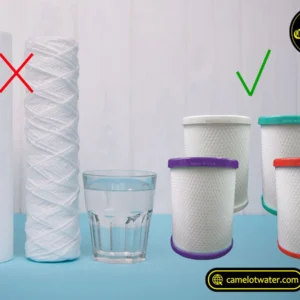
Choosing the right water filtration system is vital for ensuring the quality and sanitation of the water we consume. As a company, we have chosen to not offer central supply water filters for several important reasons. These reasons relate to the recontamination of water, the development of pathogenic microorganisms, the potential contamination with chemical pollutants from the pipes, and the necessity to filter the water at the final outlet.
Let’s examine these reasons in detail.
🔁 Water Recontamination
One of the main reasons we avoid central water supply filters is the recontamination of water. When water is initially filtered at the central supply, it travels a distance through the pipes before reaching our tap. During this journey, the water is recontaminated by various pollutants, such as microorganisms and chemicals present in the pipes. This nullifies the initial filtration and the water becomes dangerous and unsafe for consumption.
🦠 Development of pathogenic microorganisms
The use of chlorine in the central supply water is a common practice for disinfection and preventing the growth of pathogenic microorganisms. However, when chlorine is removed during the filtration process in the central supply, the water remains unprotected. As the water travels through the pipes, there is growth of bacteria and other pathogenic microorganisms.
The presence of such microorganisms in drinking water is extremely dangerous to the health of consumers.
🧪 Chemical pollutants in the pipes
Another serious problem with central supply filters is the recontamination of water with chemical pollutants. The pipes, especially the old or poorly maintained, can release various chemicals into the water, such as:
- Laminators
- Lead
- Other heavy metals
These substances can originate either from the composition of the pipes themselves or from external pollutants that infiltrate the network.
These chemical pollutants are extremely harmful to health, and their consumption through drinking water can cause serious health problems.
🚰 The necessity of good filtration at the final output
Considering the above risks, it is clear that certified water filtration must be done at the final outlet, that is, at our kitchen faucet.
Filtering at the tap ensures that the water we consume is constantly clean and safe at the moment of use. In this way:
- Reinfection from the pipes is avoided
- Microorganism growth is inhibited
- Exposure to chemical pollutants is reduced
The certified faucet filters are specially designed to remove unwanted substances from the water just before it is consumed.
Thus, the water remains clean and fresh, maintaining its quality.
Additionally, faucet filters are easier to maintain and replace, as the user can directly check their condition and replace them after one year of use.
🧾 Conclusion
The choice to not provide central water supply filters is based on well-documented reasons related to safety and water quality. Recontamination of water, the development of pathogenic microorganisms, and pollution with chemical contaminants are risks we cannot ignore.
Therefore, we recommend the installation of our certified filters such as the Imperial® at the final water outlet, that is, at the kitchen faucet, to ensure that the water we drink is always clean and safe.
It is important to keep in mind that the quality of drinking water is one of the most critical factors for our health.
As a company specializing in water quality and prevention, our priority is to provide solutions that ensure the best possible water quality for our consumers.
The installation of certified filters on the kitchen faucet is the most safe and effective method to achieve this goal.
📚 Sources
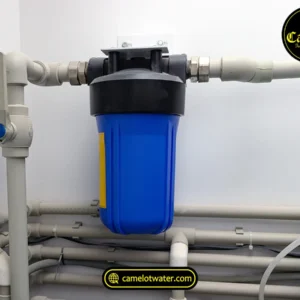
✅ Answer: No, and here’s why
Simple water analyses that are often conducted in chemical laboratories are limited to microbial indicators, the presence of chlorine, and sometimes hardness or conductivity. Although these measurements provide a preliminary picture, they in no way reveal the truly most dangerous water pollutants associated with serious health risks.
The most critical substances that should concern us are not easily detected in simple routine analyses, and unfortunately many consumers are misled or waste money on tests that provide no substantial information.
Many of these basic substances – such as organic compounds, pharmaceutical residues, plasticizers, or synthetic chemical substances – require specialized analytical techniques that are not provided by conventional microbiological tests.
🚨 The most important pollutants you need to know about:
- Lead (Pb): heavy metal with neurotoxic effects, particularly dangerous for children. It can leach into water from old pipes or soldering.
- Asbestos fibers: carcinogenic, they are found in most areas with old water supply networks.
- Microplastics: are now found in over 90% of water samples worldwide – even in bottled water 100%!
- Polycyclic Aromatic Hydrocarbons (PAHs): extremely toxic compounds, combustion products, are present in all waters from fires and not only.
- Chlorinated compounds (THMs): by-products of chlorine associated with carcinogenesis and liver damage.
- Nitrates and nitrites: usually come from fertilizers, agricultural and livestock pollution.
- Pharmaceutical residues and hormones: unfortunately, they exist in urban networks.
Many of these substances, such as THMs and PAHs, have no taste, color, or smell – which makes their presence in water even more dangerous.
💡 What to watch out for before paying for water analysis
- If the analysis they suggest only concerns bacteria, chlorine, or metal salts, it is not sufficient to determine if your water is safe.
- Before you pay, ask to see which pollutants are being analyzed and if they include heavy metals, microplastics, PAHs, and chemical pollutants.
- Remember: The quality of drinking water does not depend on its clarity or taste, but on the absence of invisible toxic substances.
Stick to certified analysis methods (such as EPA or ISO standards), and avoid simple “impression measurements” that do not focus on the essence.
🛡️ What does Camelot® do differently?
At Camelot®, we do not rely on “showcase analyses” to impress. On the contrary:
- We provide real updates and offer the opportunity to test the filter in your water.
- Our certified filters, such as the Imperial® Plus, are tested for removal of dangerous chemicals, heavy metals, pesticides, and microplastics. In general, we remove all parameters of chemical water pollutants.
- We guide you responsibly, without unnecessary expenses or meaningless analyses.
📌 Conclusion:
Don’t leave your health to the chance of “a simple analysis”! Get informed responsibly and invest in real protection with filters that remove what truly threatens the body.
Protecting your family starts with the right information – not with cheap “reports” that do not tell the truth about your water.
If you are considering water analysis and have questions, you can always contact us before proceeding. We will guide you for free, based on the actual needs of your water.
Choosing a water purification system is a critical decision that can directly affect the health and well-being of your family. With many products available on the market, reliability and quality should be the main factors that determine your choice. The company Camelot®, with its long-standing and dynamic presence since 1980, is a top choice for many reasons. Let’s take a detailed look at what you should pay attention to and why Camelot® stands out from its competitors.
🕰️ Reliability and Long-Term Presence
One of the main reasons to trust Camelot® is its reliability. The company has had a dynamic presence in the water filter industry since 1980. This long-standing experience ensures that Camelot® is a company that will always have prestige in the market and will never leave its customers without support and spare parts. Unlike unknown and questionable quality products from other competitors, Camelot® provides continuous support and availability of spare parts.
🎓 Specialization and Continuing Education
The quality of water and its purification systems require specialization and continuous training. The experts at Camelot® have studies related to water issues and are certified by the largest internationally recognized American organization (regarding water quality), the Water Quality Association. This certification guarantees that the people at Camelot® are well-trained and informed about the latest developments in water science and technology. They are also the only company in Greece and Cyprus that has certified Water Quality Specialist from the WQA of America.
📞 Immediate and Reliable Customer Service
A reliable water purification system is not enough if it is not supported by effective customer service. Camelot® has a customer service department and a dedicated technical team that is always ready to respond to any issues that may arise. This support is crucial to ensure that your system operates flawlessly at all times.
📜 Certifications and Effectiveness
The safety of your family depends on the quality of the water filter you choose. It is essential that the product has certifications regarding the retention of all contaminants from official bodies such as N.S.F., WQA, and not certificates from individuals. Before ordering, request the certifications so that they can send them to you in writing. Do your research at Camelot® because clean water ensures your health. Many competitive products may have some certifications from local laboratories, but they are usually tested for only a few parameters and not for the dozens of different chemical and hazardous substances that may be present in the water. Camelot® ensures that its filters are effective in removing all dangerous chemical pollutants without removing the essential minerals needed by the body.
🧪 Tests and Reliability
The reliability of a water filter should not be based solely on initial tests. Camelot® conducts tests with a chlorine detector before removing the old internal replacement filter, after a whole year, and replaces it with a new one, ensuring that the filter continues to remove chlorine even after long-term use. This guarantees that the filter maintains its performance and provides clean water continuously. Unlike other filters on the market that may remove some amount of chlorine initially, after a period of 1-3 months, they no longer remove it at all. This is a common occurrence, and we often see it in other filters that replace customers with Camelot® water filters. Call us and call them at the same time to prove it to you.
💸 The Relationship Between Price and Quality
It is common to assume that a low price implies poor quality, and this is especially true in the category of water filters. Camelot® offers filters that provide the best possible protection and efficiency for an entire year. The company is a pioneer in this field and offers products that combine quality and affordability. The large production and international distribution of Camelot® purification systems reduce costs, which are passed on as savings to customers.
🌟 Customer Satisfaction
Camelot® has earned the trust of its customers by providing high-quality products and services. With over 30,000 five-star reviews, customers express their satisfaction with the exceptional quality of the water, the reliability of the systems, and the excellent service provided by the company. The positive reviews and high levels of satisfaction are a testament to Camelot®‘s commitment to delivering the best water purification solutions.
⚖️ Comparison and Selection
Before choosing a water filter, it is good to compare with the systems of Camelot®. The decision you make should be the best possible for you, and comparing products will help you reach an informed choice. Camelot®, with its experience, knowledge, and respect for the customer, offers pioneering solutions that stand out in the market.
🧠 In summary
Choosing a water purification system from Camelot® ensures reliability, quality, and continuous support.
- The long-term presence in the market
- The specialization of its staff
- The certifications of the products by internationally recognized bodies
- The effectiveness of its products in removing hazardous substances
- The excellent customer service
➡️ All of the above make her the best choice compared to unknown and questionable quality competitors.

The quality of the water we consume daily has a direct impact on our health, which is why choosing the right water filter is extremely important. One of the key characteristics that determine the effectiveness of a filter is the size of its pores, which is measured in microns (micrometers).
The options from Camelot® that one can choose are filters with pore sizes of 0.1, 0.2, 0.3, and 0.4 micron. Below, we will examine the differences between these sizes and explain why someone would prefer a 0.1 micron filter instead of a 0.4 micron, which is cheaper.
🔬 Diameter of pores and filtration efficiency
The diameter of the pores of a filter determines the size of particles it can remove from the water and the filtration capability based on the concentration of activated carbon.
Thus:
- A 0.1 micron filter removes anything larger than 0.1 micron and filters four times more than the 0.4 micron, etc.
- A 0.2 micron filter removes anything larger than 0.2 micron.
- A 0.3 micron filter removes anything larger than 0.3 micron.
- A 0.4 micron filter removes anything larger than 0.4 micron.
The filtration capacity of water increases significantly as the diameter of the pores decreases.
For example, the 0.1 micron filter is more effective in removing microscopic particles, bacteria, and viruses compared to larger filters.
🔁 Concentration and multiplicative effectiveness
The condensation of carbon and membranes in a 0.1 micron filter is:
- twice than in a 0.2 micron filter
- three times than in a 0.3 micron filter
- four times than in a 0.4 micron filter
This means that the 0.1 micron filter can filter:
- twice as many particles compared to 0.2
- three times more compared to 0.3
- four times more than 0.4
This multiplicative factor of purity is critical, especially in areas where water contains large amounts of microorganisms and pollutants.
💰 Cost and quality
As expected, the construction cost and the price of each filter vary depending on the diameter of the pores.
- The 0.1 micron filters are more expensive due to the more advanced technology
- Filters with a larger diameter such as 0.4 micron are more economical
Despite the slightly higher price, investing in a 0.1 micron filter is worth it, because for 365 days we have the perfect water quality for our health.
The protection of our health from harmful substances and pathogenic microorganisms is priceless, especially when it comes to daily water consumption.
🧫 Comparison of micron size and health effects
The smaller filters, such as those of 0.1 micron, are capable of removing a wider range of microbes and bacteria, including the most resistant and microscopic pathogens.
For example, bacteria such as E. coli, which have a diameter of about 0.2 micron and above, are removed more effectively with a 0.1 micron filter.
In contrast, a 0.4 micron filter can allow the passage of smaller bacteria and viruses, making it less suitable for areas with increased risk of water contamination.
💧 Imperial® Filters by Camelot®
Of course, all four filter options of Imperial® by Camelot® are excellent, but they have different prices due to their pore diameter and technology.
- All four options contain 850 grams of active pharmaceutical charcoal
- They are suitable for the processing of 15,000 liters of water
However, the effectiveness and purity of the water they provide varies, a fact that determines their final price.
✅ Conclusion
The selection of the appropriate water filter based on its pore size is crucial for ensuring cleaner and safer water.
- Filters with smaller pore diameter, such as 0.1 micron, offer:
- Superior filtration quality
- Greater protection from microorganisms and pollutants
The investment in such a filter is worth it due to the significant improvement in water quality and better protection of health.
The four options of Imperial® by Camelot® are all excellent and suitable for different needs and budgets, ensuring high quality and safety in the water we consume daily.
🛡️ Superiority of Camelot® filters over the competition
The Camelot® filters with pore sizes of 0.1–0.4 micron are superior compared to other filters on the market that have pore sizes of 0.5–5 micron. This superiority is due to:
- In the quality of activated charcoal
- In the amount of 850 grams (compared to 30–120 grams of other filters)
- In the advanced technology and membranes that they use
These features make the Camelot® filters a top choice for those seeking the best water quality for their health safety.

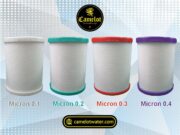
If the nozzle turns green, it means poor maintenance of the device, that is non-sterilization of the nozzle.
When you notice that your faucet has turned green or has deposits, this is a clear sign of poor maintenance of the device. The main cause of this problem is the lack of sterilization of the faucet, which allows the growth of aerobic microorganisms. These microorganisms are not dangerous, but they create the green color we see and may affect the quality of the water we consume.
🌿 Why is the ruxouni turning green?
The greening in the roux is mainly caused by the growth of aerobic microorganisms, which find suitable conditions to thrive when the roux is not cleaned properly and regularly. These microorganisms are the same as those found in nature, such as on river stones, where water flows and creates green coatings. They are the “good soldiers” of our body. Especially during the summer months, humidity and high temperatures can accelerate the appearance of greening, so even more frequent care is required.
🧼 How is this problem addressed?
The solution to the problem of greening in the rousouni is simple, as long as we follow a few basic maintenance steps, since it is our duty:
- 1 Salt removal: Place the faucet aerator in vinegar. Vinegar is known for its ability to break down the minerals that have accumulated in the aerator.
- 2 Sterilization: After the spout has been in vinegar for a sufficient amount of time and the salts have dissolved, proceed with sterilization using alcohol. Pour alcohol into the spout and inside the spout. The alcohol will kill microorganisms and prevent their growth. Use a long brush.
- 3 Regular maintenance: Apply this procedure regularly. It is recommended to put alcohol in the spout and inside the spout with a deep brush once a week. This will prevent the accumulation of microorganisms and the appearance of green algae.
🔐 Preventive measures
The proper and regular maintenance of the faucet is the key to preventing the appearance of green stains or limescale. You can incorporate this process into your weekly cleaning schedule, just as you do with other critical hygiene points in the kitchen.
📌 Conclusion
The greening in the ruxouni is not unusual and can be easily addressed with the right care and maintenance. The poor maintenance of the device, especially the lack of sterilization of the ruxouni, is the main cause of the development of microorganisms that lead to this phenomenon.
Following the above instructions, which is also our obligation based on the guidelines, we can keep our faucet clean and safe, ensuring the quality of the water we consume daily.

The proper management of used water filter cartridges is an issue that concerns many customers of water purification systems. These concerns are justified, given the need for environmental protection and our health.
Let’s examine in detail how we can manage used water filters and whether they can be thrown in the regular household waste.
🧺 Placement in regular waste
You can throw the used filter in your regular household waste. It will not release any chemical pollution but, on the contrary, will continue to adsorb pollutants that are exposed to the other waste.
♻️ Recycling of plastic parts
The filters consist of 2 small special plastic parts that can be recycled.
The customer or the partner can:
- to remove the plastic parts of the filter, such as the top and bottom cover
- to place them in the blue recycling bin
This practice:
- Reduces the volume of waste
- Saves raw materials
- Contributes to the sustainable management of plastic waste
🚫 What we should not do
- Do not throw the entire filter in the blue bin – only the plastic parts are recyclable
- Do not burn or dispose of it in nature – it contains activated carbon that has absorbed pollutants.
- Do not keep it for future use – it has completed its life cycle and no longer protects
✅ Conclusion
The disposal of used replacement filters in regular household waste is feasible and safe. At the same time, recycling the plastic parts of the filter is an action that helps in the protection of the environment and in the rational management of waste.
With the right practices, we can ensure that our used filters have no environmental impact.
The sterilization of the water filter is an important step in ensuring hygiene and proper functioning of it. Most people believe that using a water filter is enough to provide clean and safe water, but the truth is that maintenance of the filter and its sterilization are equally important.
One of the most common points of contamination in a filter device is the spout or nozzle from which the filtered water comes out. The nozzle can come into contact with various surfaces and objects, thus increasing the risk of contamination. The sterilization of the nozzle can be done with simple procedures and materials that are available in every household, such as white vinegar.
🧪 Why is the sterilization of the syringe important?
The spout of the water filter device is vulnerable to contamination from germs and bacteria. This can happen when someone touches it with unclean hands or when it comes into contact with foods such as meat. Even if the water being filtered is clean, contact of the spout with contaminated surfaces can transfer germs to the water you drink.
🧴 How to sterilize the water filter device’s spout
Yes! It is good to apply alcohol to the nozzle and internally to the spout of the device (externally and internally) once a week. The reason is that there is a chance that someone, inadvertently with unclean hands or even some food, e.g. meat, may touch the spout and contaminate it. So with alcohol or another sterilizing agent, you perform sterilization on the spout internally and externally.
👉 Ask your responsible advisor to explain the process to you.
🧼 Sterilization process:
- 1. Preparation: Make sure you have all the necessary materials: clean alcohol (or another sterilizing agent) and a long brush.
- 2. External cleaning: Dip a cotton ball or cloth in alcohol and carefully clean the external part of the spout. Pay special attention to the corners and crevices.
- 3. Internal cleaning: Using a long brush soaked in alcohol, clean the inside of the spout.
- 4. Let it dry: Allow the ruxouni to dry naturally before using it again.
🧠 Tips and precautions:
- Regular maintenance: In addition to the weekly sterilization of the faucet, make sure that you follow the manufacturer’s instructions for maintenance and replacement of the filter within a year.
- Clean hands: Always wash your hands before touching the ruxun or any other part of the device.
- Update: Ask your relevant advisor for more information and guidance. The advisor can provide you with specialized advice and guide you through the correct process.
✅ Conclusion
The sterilization of the water filter and especially the faucet is a simple yet effective step to ensure the hygiene and safety of drinking water. With regular sterilization and proper maintenance, you can enjoy clean and safe water every day.
🔧 For every filter change by a Camelot® representative, in addition to replacing the filter, the spout is also sterilized and the device is cleaned.
📚 Sources:
Water Quality Association – Filter Maintenance Guidelines

The Imperial® Plus can be connected to a three-way faucet as long as it is stainless steel to prevent recontamination of the water from metal shavings and more. That’s why Camelot® International Health Organization provides its customers with a high-quality stainless steel three-way faucet to achieve the perfect water purity result. Additionally, the price at which the customer purchases it is much lower compared to other companies, whose prices are three times higher. (make a comparison with branded faucets and you will see).
At the main faucet, you will have one faucet and depending on the switch you turn, you will have the corresponding water. Below, there are three pipes:
1️⃣ One connects to the cold tap water
2️⃣ The other to the hot tap water
3️⃣ And the third to the Imperial® Plus to have filtered clean healthy water
If the three-way faucet used is not stainless steel, there is a possibility of contaminating the filtered water with heavy metals, especially if it is made of brass or low-quality chrome plating.

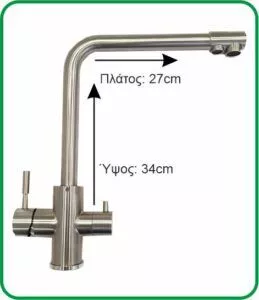
The issue of filter cleanliness after prolonged use is a common topic of discussion among users of water filtration systems. At Camelot®, our filters are designed to provide the highest quality water while ensuring the safety and health of our consumers.
🧪 Natural Special Membranes and Filter Function
The replacement filter Imperial® features multiple specialized natural membranes ranging from 0.1 to 0.4 microns that are designed to capture solid particles such as rust, sludge, dirt, and other suspended particles, according to micron size. These membranes are essential for ensuring the purity of the water that reaches your glass. An additional indication of the effectiveness of these membranes is that they act as a first line of defense before the water reaches the activated carbon, increasing its lifespan and performance.
🏠 Quality and Composition of the Tubes
One factor that may explain why your filter remains white after a year of use is the quality and condition of the plumbing in your home. If your pipes are made of plastic and are new, they are less likely to release rust and other impurities into the water. This means that your filter does not have to combat as many pollutants, resulting in it staying cleaner on the outside. In older homes with iron plumbing, external staining due to oxidation and corrosion of the metal is more common.
🌿 Active Charcoal
Although the outer membranes of the filter may appear clean, most hazardous chemicals are colorless and therefore cannot be detected by the naked eye. This is where the role of activated carbon contained within the Imperial® filter comes in. The 850-gram activated carbon Imperial® made from high-quality coconut is extremely effective in removing all chemical compounds, such as chlorine, organic compounds, and other harmful chemicals that may be present in your water. This carbon is certified to NSF/ANSI 42 and 53, providing proof of its effectiveness in improving taste/odor and removing harmful contaminants.
📏 Comparison of Carbon Quantities
In the Imperial® Plus filters, concentrated active pharmaceutical carbon 850 grams is used, while in the Imperial® Maximum this amount rises to 1200 grams. This quantity is significantly larger compared to competitive filters on the market, which often contain only 30, 80, or 120 grams of activated carbon. This high degree of concentration in the Imperial® ensures that the filter can effectively remove harmful chemicals for a longer time and in greater quantity and efficiency. Thus, in 6 seconds, we can have one liter of the purest water.
📌 Conclusions
The difference in the condition of your filter compared to that of your acquaintances may be due to many factors, such as the quality of the pipes that carry water to your home, the quality of the water entering the filter, and the amount of impurities that your filter retains. The fact that your filter appears clean does not mean that it is not functioning properly or that it is not removing harmful chemicals from your water, or that you can change it later than the designated replacement date. On the contrary, it may mean that your water supply system is in better condition, allowing the filter to maintain its cleanliness externally.
However, the most important function of the filter is the removal of invisible hazardous chemicals, and this is achieved through the high-quality and high-quantity activated pharmaceutical carbon contained within the Imperial®. Therefore, even if your filter appears clean, it effectively does its job and provides you with clean and safe water by retaining the chemicals. The materials used in the filters of Camelot® are designed to be effective for an entire year. After this time, according to the manufacturer’s specifications, the filter should be replaced with a new one. Proactive replacement, even if the filter appears clean, is essential for maintaining absolute protection against chemical pollutants such as chlorine, pesticides, and volatile organic compounds.
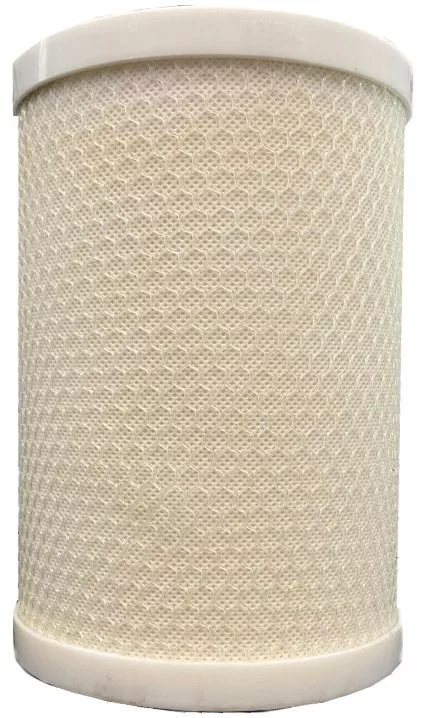
The daily use of Camelot® water filters is essential to ensure that the water we consume is clean and safe. However, a common concern expressed by many users is the appearance of stains on the exterior of the filter after prolonged use of one year.
It is natural to wonder if this external contamination can affect the quality of the water we drink.
🚫 Can external contamination affect the water?
The answer to this concern is clear: No.
All these things we see remain only externally and are bound by external multiple physical membranes. The outer part of the filter is designed to absorb impurities from the environment and to protect the internal filtering system from any external pollutants that are above 0.4 micron. However, there are also filters that are 0.1 micron.
🔁 The filtering process
Water, passing through the external natural membranes, is filtered in successive stages. These membranes:
- They retain large particles such as dirt, mud, rust, etc.
- Pre-filter the water before it passes to the internal stages
Next, the water moves to the active pharmaceutical carbon, which:
- Dangerously binds chemicals
- Retains organic pollutants, pesticides, and heavy metals
- It has a total weight of 850 grams, ensuring maximum adsorption
🔬 The internal membranes remain clean
If we take a closer look at the Ultipor® and N66® internal membranes, we will notice that they remain pure white and clean, even after a year. This proves that the quality and effectiveness of the filtration:
- Not affected by external deposits
- Maintained at the highest level
- Provides certified clean water for an entire year
⚙️ The technology behind the filter
The technology and science behind Camelot® filters are such that each layer of the filter has a specific role and function.
The external staining is simply an indication that the filter is doing its job correctly:
- Holds back the impurities
- Protects the internal filtering
- Does not allow the transfer of pollutants to clean water
These external pollutants cannot progress and reach the water we consume certified.
🧪 Certification & Reliability
At Camelot®, we are committed to providing the highest quality products that meet consumer needs.
- Our filters have been certified
- Their effectiveness has been tested
- Our commitment to clean and safe water is unwavering.
🛠️ Maintenance & care
The maintenance and replacement of the filters at the right time is important to ensure the continuous performance of the system.
The replacement instructions we provide are designed:
- To maximize performance
- Να προλαμβάνουν φραγές από εξωτερικές επικαθίσεις
- To maintain the water quality at a top level
👀 See it with your own eyes
Ask our responsible partner to show you the internal membranes that are the final stage of filtration of Imperial®.
You will see that they remain pure white and clean, in contrast to the external pre-filter.
This visually proves that your filter:
- Works correctly
- Retains impurities externally
- Completely protects drinking water
✅ Conclusion
The external dirt of a filter after one year of use is not a cause for concern regarding the quality of your water. The filtration system is designed to:
- Holds impurities externally
- Keeps the interior clean and functional
- Provides certified clean water for 365 days
With proper care and maintenance, your filter will continue to provide safe, clean water for you and your family.
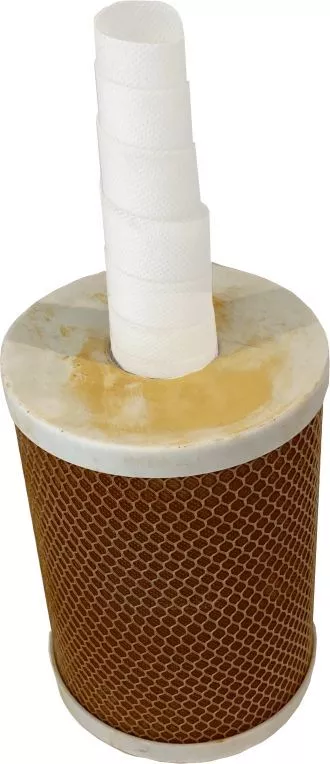
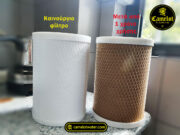
Yes, it is absolutely normal to sometimes observe activated carbon dust in the water immediately after changing the filter. This happens because activated carbon filters contain fine carbon particles, which may remain on the surface or inside the filter during the manufacturing and transportation process. When the water starts to flow through the filter for the first time, these tiny particles may be released, resulting in a black or grayish tint in the first water that comes out of the tap or filtration system. The presence of these particles indicates that the filter has not been used previously and is being properly activated by the flow of water.
🧩 Possible reasons for the appearance of carbon dust in new filters
In filters where the carbon is compressed, the likelihood of dust presence is lower, but it is not completely ruled out, especially if sufficient blowing with air has not been done during the production process. In high-tech filters like Imperial® Plus, the amount of carbon is much greater, and therefore slightly more dust may appear during the first use, without this being a problem.
💦 How to remove carbon dust before using the filter
To ensure that your filter is working properly and that carbon dust is removed before consuming the water, let the water run through the filter for 3-5 minutes. If the water continues to have carbon particles after the initial rinse, you can let the water run longer. Alternatively, you can fill 2-3 large containers with water during the first flow and use them for watering or cleaning until the output is completely clear.
✅ Conclusion
The appearance of carbon dust in the new water filters is an absolutely normal and temporary condition that should not concern you. It does not affect the quality of the filtered water nor does it pose a health risk.
On the contrary, activated charcoal is widely used for the removal of toxins from the human body, even through pharmaceutical products, such as activated charcoal capsules. Activated medicinal charcoal has been approved by global health organizations for use even in cases of poisoning, which demonstrates its non-toxicity.
Therefore, if you see carbon particles in the water after changing the filter, simply rinse the filter according to the instructions and continue to enjoy clean and filtered water safely.
In Cyprus, published results of microbiological and chemical tests on the Internet are conducted by the Chemistry Department of the Cyprus Government for the whole of Cyprus, and we present you with two pages of results from the dozens that you can find on the Internet for all areas of Cyprus.



This is a question that is becoming increasingly common, especially during the summer months when wildfires hit Greece, Cyprus, and many other countries. The answer is yes – the burning of forests can significantly impact groundwater and surface water, and this directly affects the water that reaches our tap or is bottled.
🏞️ How does a wildfire affect water quality?
When forests, plants, homes, and infrastructure burn, combustion does not only release carbon dioxide. Toxic compounds and fine particles are created, many of which disperse into the atmosphere or settle on the ground and in water basins. Some of the most characteristic problems caused are:
1️⃣ Smoke and fine particles
Burning creates PM2.5 and PM10 – microscopic particles that, when they fall into reservoirs, rivers, or dams, can end up in the water supply network
2️⃣ Heavy metals and toxic residues
During the burning of trees as well as construction materials (e.g., wires, plastics), lead, cadmium, mercury, and dioxins are released. These can reach the groundwater through runoff, especially after rainfall.
3️⃣ Increase of organic pollutants
Water that comes into contact with burned soils acquires a higher load of organic matter. When it is disinfected with chlorine, disinfection by-products (THMs) may form to a greater extent, which are potentially carcinogenic.
4️⃣ Overlap and pollution of water intakes
Many times, the ashes and remnants from the fires reach lakes and rivers that are used for water supply (e.g. Mornos, Yliki). Even if EYDAP or other agencies carry out cleaning, pollutants persist or escape treatment.
5️⃣ Carcinogenic polycyclic aromatic hydrocarbons are created with huge consequences for our health. Unfortunately, today we encounter them in all our underground and surface waters.
⚠️ How serious is this for our health?
The effects are not always immediate, but many substances that reach the water accumulate in the body with daily consumption. Vulnerable groups (infants, the elderly, pregnant women, immunocompromised individuals) are particularly susceptible to:
- Hormonal disorders
- Liver and kidney dysfunctions
- Respiratory and neurological problems
- Increased oxidative stress in the body
Additionally, many of these substances are colorless and odorless, which is why they are not easily detected by the average consumer. The fact that the water looks “clean” does not mean it is safe.
💧 Why is the Imperial® Plus filter necessary after a fire?
The Imperial® Plus by Camelot® is the most reliable protection solution, as:
- Removes toxic by-products from chlorination (THMs)
- Retains microparticles and dust (up to 0.1μm)
- Filters heavy metals (lead, cadmium, etc.)
- Removes organic pollutants and pesticides
- Removes polycyclic aromatic hydrocarbons
- Does not remove beneficial mineral salts and trace elements
- It is certified by international organizations (NSF, WQA) and others.
- Protects the whole family, with guaranteed quality
Additionally, after every major fire incident, the Imperial® Plus filter acts as a “final shield” when the water supply network exhibits variable water quality for weeks or even months.
✅ Conclusion
Yes, wildfires affect water quality much more than we think. The substances released do not only remain in the air — they end up in the soil, groundwater, and our water reserves.
Our protection should not be limited to the air (with masks), but should also extend to the water we drink daily. A certified high-quality water filter, such as the Imperial® Plus, is not a luxury — it is a necessary health prevention tool.
📚 Sources:
- World Health Organization – Wildfires and Water Quality
- USGS – Wildfire Effects on Drinking Water
- Environmental Protection Agency – THMs and DBPs
- ScienceDirect – Forest fires and water contamination
Water is a fundamental component of our daily lives, and its quality has a direct impact on our health. The Imperial® water filters are known for the perfect quality of the filtered water they provide. One of the most important characteristics of the water filtered by Imperial® filters is its alkaline pH, which ranges between 7.5 and 8. That is the perfect pH.
📏 What is pH and Why is it Important?
pH is a unit of measurement that expresses the acidity or alkalinity of a solution. The pH scale ranges from 0 to 14, with 7 being considered neutral. Values below 7 are acidic, while values above 7 are alkaline. The balance of pH in water is critical as it affects many physiological processes in our body.
💧 The pH of Water from Imperial® Filters
The water that passes through the Imperial® filters has a pH ranging from 7.5 to 8. This means that the water is alkaline, which is considered ideal for daily consumption. This pH level is close to the natural pH of the human body, making it particularly beneficial.
🌿 Why Alkaline Water Is Better than Acidic?
There are several reasons why alkaline water is preferable to acidic water:
- pH Balance in the Body: The human body maintains a slightly alkaline state, with blood having a pH of about 7.4. By consuming water with a pH close to this level, we help the body maintain this balance more easily. This is particularly important for individuals following a diet rich in processed and acidic foods.
- Better Hydration: There is evidence that alkaline water may help with better hydration of the body, as its alkalinity can enhance the absorption of water by the cells. This is important for athletes or individuals with increased hydration needs.
- Acidity Reduction: Many of the foods and drinks we consume daily are acidic, which can disrupt the pH balance in our bodies. Alkaline water can help balance this acidity, contributing to better overall health.
- Detoxification: Alkaline water helps the body eliminate toxins more effectively. Consuming alkaline water can support the function of the kidneys and the liver, which are the main detoxification organs.
🔄 Advantages of Imperial® Filters over Reverse Osmosis Filters
Reverse osmosis filters are known for their ability to remove impurities from water, including metal elements and microorganisms. However, this process can leave the water with a quite low pH, making it more acidic. Acidic water can corrode metal parts in appliances and plumbing, leading to additional water contamination.
The deionized water provided by reverse osmosis filters is non-potable and long-term dangerous to our health.
In contrast, the Imperial® filters maintain a balanced pH, removing all chemical pollutants and pathogenic microorganisms, while also preserving the beneficial minerals that contribute to the alkalinity of the water. This means that the water from the Imperial® filters is not only 100% pure but also nutritious.
✅ Conclusion
The water that comes from the Imperial® filters, with a pH ranging between 7.5 and 8, is particularly beneficial for health. Its alkaline nature helps maintain the pH balance in the body, providing better hydration, detoxification, and contributing to overall health.
Unlike reverse osmosis filters, Imperial® filters offer certified more natural and healthier water, making them an excellent choice for your daily consumption.
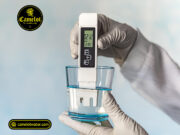
Connecting a water filter to the refrigerator is a common practice that facilitates the distribution of clean water and ice through the appliance, without the need for a separate faucet. Many consumers seek this option in order to have easy access to filtered water and ice without requiring multiple installations. However, there are some key aspects that need to be considered before deciding if it is a safe choice.
🧪 The Imperial® Plus 5th Generation: Suitable for Connection to the Refrigerator
The Imperial® Plus 5th generation filter is designed with cutting-edge technology that makes it extremely resistant to water pressure. This means that, technically, it can be connected to a refrigerator without affecting its functionality or the quality of filtration. It withstands the conditions imposed by a refrigerator connection and continues to provide the same high level of water purity. Despite this capability, it is important to consider some warnings regarding the long-term safety and quality of the water. It is always recommended to seek the advice of a Camelot® technical consultant before proceeding with any refrigerator connection to ensure that the correct specifications have been met.
⚠️ The Risks of Connecting to the Refrigerator
Although the Imperial® Plus 5th generation filter can withstand connection to the refrigerator, this practice is generally not recommended for several serious health-related reasons. Connecting a filter to the refrigerator can increase the risk of recontamination of the water, both from pathogenic microorganisms and from chemicals that may be introduced through the construction materials of the pipes of the refrigerator.
🦠 Microbial Recontamination
Refrigerators, despite operating at low temperatures, are not free from the risk of developing pathogenic microorganisms. If the refrigerator is not properly maintained or if the pipes connected to the filter are not adequately cleaned, water recontamination can occur. This risk is particularly heightened if the water remains stagnant in the pipes for long periods, creating an environment conducive to the growth of bacteria or other microbes. It is recommended to regularly drain the supply to the refrigerator to avoid water stagnation.
⚗️ Chemical Recontamination
In addition to microorganisms, an important issue is the possibility of recontamination of water with chemical pollutants. The connection to copper pipes, which are often used in water installations of refrigerators, can lead to contamination of the water with copper. Copper, although an essential trace element in small amounts, can be harmful when consumed in high concentrations.
Additionally, the fittings used to connect the various parts of the water installation in the refrigerator may contain lead, a toxic metal that is particularly harmful to health, especially in children and pregnant women. Lead can leach into the water through the wear of these fittings, increasing the risk for consumers. It is recommended to check the quality and origin of the installation materials before any connection with a filter.
🧪 Exposure to Plasticizers
Another risk associated with chemical recontamination is exposure to plasticizers, substances used in the plastic parts of pipes that can leach into the water over time. Plasticizers are known for the endocrine disruptions they can cause, as well as their toxicity.
🛠️ What You Should Pay Attention To
While connecting the Imperial® Plus filter to the refrigerator is possible and can offer practicality, the general recommendation is to avoid it due to the aforementioned risks. However, if you decide to proceed with this option, it is important to take the following precautions:
- Frequent maintenance: Regular maintenance and cleaning of pipes and connections is critical to reducing the risk of microbial growth and chemical contamination.
- Pipe replacement: Consider replacing old pipes with more modern materials that do not contain hazardous chemicals such as lead and copper.
- Attention to plastic parts: Prefer refrigerators and installations that use certified and safe materials, especially regarding plastic parts and plasticizers.
In any case, it is recommended to officially document the technical connection decision for warranty and safety reasons.
✅ Conclusion
Connecting a water filter to the refrigerator may seem like a convenient solution, especially with filters like the Imperial® Plus 5th generation, which withstand water pressure and ensure high-quality filtration. However, the risks of recontamination, whether from pathogenic microorganisms or chemical pollutants, make this practice not as safe as it may initially appear.
To ensure the best water quality for you and your family, it is recommended to choose the installation of the Imperial® Plus on the counter or under the counter, ensuring the effectiveness of the filtration and protecting your health from the risks associated with connecting to the refrigerator.

Many wonder if they can use hot water with their filter, either for saving time or out of habit. The answer, however, is clear: hot water is not recommended for use with water filters, as it affects the structure and function of the filtering materials.
The certified Camelot® water filters, such as the Imperial® and Imperial® Plus, are designed to work seamlessly with cold or lukewarm water, ensuring ultimate purity, taste, and hygiene in your water.
🔹 Why hot water is not suitable for filters
Hot water can cause degradation of the filtering materials and drastically reduce their efficiency. Most membranes and activated carbon are designed to operate at temperatures below 30°C.
When the water is warmer, the structure of carbon expands, losing part of its absorptive capacity. Thus, it can no longer effectively retain chemical compounds, chlorine, and microparticles.
Additionally, the use of hot water can lead to the dissolution of bacteria that have been trapped in the filter, releasing them back into your water. Instead of cleaner water, the result may be more dangerous water.
🔹 What can happen to the filter
The continuous or repeated use of hot water can cause:
- Loss of performance in filtering capacity.
- Deformation of the membranes and microcracks in the internal layers.
- Alteration of the taste and smell of the water.
- Reduced lifespan of the filter, which can reach up to 50% less operating time.
Even if the filter appears externally intact, its internal structure may have already suffered damage that is not visible.
🔹 How to properly use your filter
To ensure the longevity and effectiveness of your filter:
- Use only cold or lukewarm water.
- If you want hot water, filter it first and then heat it separately (e.g. in a kettle or pot).
- Never pass water at a temperature above 30°C directly from the filter.
In this way, you maintain the certification and maximum effectiveness of Camelot® filters, ensuring clean, safe, and balanced water every day.
🔹 Extra Tip from Camelot®
If for any reason hot water has passed through your filter, it is advisable to replace it immediately. Even if you do not notice any change in flow or taste, the internal material may have been altered.
Camelot® recommends preventive replacement every 12 months or sooner if misuse has occurred. This ensures maximum safety for you and your family.
🔹 The Camelot® Philosophy
At Camelot®, we believe that the quality of the water we drink determines the quality of our lives. The Imperial® and Imperial® Plus filters are designed to provide clean water, free from chlorine, microplastics, and heavy metals, while also preserving its valuable minerals.
With the proper use, every Camelot® filter offers safety, health, and absolute purity – just as every glass of water that reaches your home deserves.
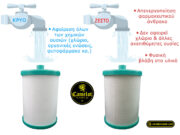
The issue of water quality is vital for every household, and the choice of the right water filter can significantly impact our daily lives. Imperial® water filters are a popular choice for ensuring clean and safe drinking water.
However, the question often arises whether the filter should be placed on the countertop or underneath it. Below are the reasons why it is recommended to place the Imperial® water filter on the countertop.
🧳 1. Portability and Ease of Use
One of the most important reasons for placing the filter on the countertop is its portability. Countertop water filters are designed to be easily moved and installed anywhere. This means you can take the filter with you to your vacation home or on a holiday trip.
Unlike under-sink filters, which require permanent installation, countertop filters give you the flexibility to always have clean water wherever you are.
🧼 2. Easy Sterilization and Maintenance
The sterilization of the faucet is a critical process for ensuring absolutely clean water. Countertop filters allow for easy access to the faucet, making the sterilization process simple and effective.
In contrast, under-sink filters have pipes that pass through various points, making sterilization difficult and time-consuming. With the countertop filter, you can be sure that maintenance and sterilization are done correctly, ensuring your health.
💰 3. Economy
Installing a filter on the countertop is usually a more economical option. It does not require the involvement of a plumber, nor the purchase of special faucets or connections. This means you can avoid extra costs and invest the money in other needs.
Additionally, the simple installation reduces the risk of errors that may occur during the connection and affect the water quality.
🔩 4. Avoidance of Inappropriate Materials and Connections
The selection of materials and connections is critical for the quality of the water we drink. There is a risk that the plumber may use materials or connections that are not suitable or of high quality, which can negatively affect the quality of the water.
With the countertop filter, this risk is eliminated, as the installation does not require plumbing.
💧 5. Risk Reduction of Leaks
The installation of a filter under the sink carries the risk of leaks from high water pressure. Leaks can occur due to installation errors or from pipe wear over time.
With the countertop filter, the risk of leaks is avoided, as maintenance and monitoring are easier and faster.
🏡 6. Space Saving
Finally, the placement of the filter on the countertop may be the only option for households with limited under-counter space. In small kitchens or apartments, the available space is precious, and placing a filter under the counter may not be feasible.
In these cases, the countertop filter is the ideal solution, ensuring clean water without taking up valuable space.
✅ Conclusion
The installation of the Imperial® water filter on the countertop offers many advantages, such as practicality, portability, easy sterilization, cost-effectiveness, avoidance of unsuitable materials, reduction of leak risks, and space-saving.
In contrast, under-sink filters require more complex maintenance and installation with plumber costs, while they carry more risks. Therefore, the decision for the choice of installation is yours. Camelot® recommends countertop filters because they offer a more practical and safe solution.

The installation and maintenance of a water filter is a process that requires precision, knowledge, and experience. Camelot®, with its extensive experience in water quality and filter manufacturing, has developed a series of procedures and protocols that ensure the optimal performance of the filters and the safety of the water consumed.
There are many reasons why it is recommended that the installation and replacement of filters be carried out by qualified specialists from Camelot® and not by the customers themselves.
🧼 Sterilization of the Filter
One of the most important reasons is the washing of the device parts and the sterilization of it. The specialized personnel of Camelot® have been trained to properly sterilize the filter during installation or replacement.
The disinfection is a critical process that, if not done correctly, can lead to contamination of the filter and consequently the water being consumed. The authorities use special disinfectants and follow specific protocols to ensure that the filter is completely clean and safe for use.
🛠️ Knowledge and Experience in Installation
Installing a countertop filter may seem simple, but it actually requires knowledge and experience. There are many different types of faucets and plumbing systems, and each one may require a different approach for the proper installation of the filter.
The specialized experts of Camelot® have all the spare parts, the experience, and the knowledge to handle these varieties and ensure that the filter will be installed correctly and will operate effectively.
💧 Water Hardness Measurement
Before any installation or filter change, the responsible personnel of Camelot® conduct a measurement of the water hardness. The hardness of the water can affect the performance and lifespan of the filter.
Knowing the exact hardness, the authorities can suggest the appropriate filter and ensure that the system operates at maximum efficiency.
🧪 Water Testing for Chlorine
Another important procedure followed by the officials of Camelot® is the testing of the water for the presence of chlorine before and after each filter change, usually after one whole year of use.
Chlorine is a common agent used for disinfecting water, but it affects the quality of the water consumed. Authorities use special instruments to measure chlorine levels and ensure that the filter is working properly, removing it and improving the quality of the water.
📍 Availability of Competent Authorities
Camelot® has ensured that it has specialized personnel in 99% of the areas it serves. This means that customers can be confident in immediate and specialized service for the installation and maintenance of their filters.
Even in the few areas where there may be no available representative, Camelot® offers the option to assist customers with guidance and support to proceed with the installation or replacement of the filter safely and effectively.
✅ Conclusion
The installation and filter change by specialized professionals from Camelot® ensures that every step of the process will be done correctly and safely. From the sterilization of the filter and the proper installation, to the measurement of water hardness and the testing for chlorine, the professionals from Camelot® demonstrate that the filter delivers a whole year of clean-healthy water just like the first glass.
They are trained to provide the best possible service at all times, ensuring the quality and safety of the water for every customer.
✅ Answer:
This is a question that many consumers ask when looking for solutions for clean and pleasant water in their homes. Although a water cooler seems practical at first – providing cold or hot water instantly – it is not a healthy, economical, or reliable option for daily use. On the contrary, a certified home tap filter like the Imperial® Plus offers multiple and significant advantages. Let’s take a closer look at them:
💧 1. Water Quality and Safety
Water coolers operate either with bottled water or with a connection to the network. In the first case, the water is stored in plastic bottles, which are often exposed to temperature changes and prolonged stays, which can lead to bacterial growth, especially when the bottle is opened and used for days or weeks. In the second case (network coolers), the filtration they provide is of limited effectiveness and often relies on simple carbon technologies.
In contrast, the Imperial® Plus is a multi-stage filtration system that removes certified:
- Chlorine
- Lead
- Pesticides
- Industrial chemicals
- Microplastics
- even residues of medications.
- And anything dangerous that exists in the water
The result is truly clean, fresh, and safe water, not just cold or hot.
It is worth noting that even coolers with built-in filters – particularly the small countertop coolers that connect to the supply – usually include simple carbon filters weighing 60 to 150 grams. These filters do not have the capacity to adequately remove the most dangerous chemicals and organic residues from the water, nor do they have certifications for pharmaceutical residues, microplastics, or heavy metals.
💸 2. Economy and Performance
A cooler requires continuous purchase of bottled water (if it is not connected to the network), which entails continuous cost, transportation, and storage.
On the contrary, the Imperial® Plus has a lifespan of up to 12 months or 15,000 liters of water, with a cost that is much lower per liter compared to any other solution. In fact, it serves all household needs – not just drinking water, but also cooking, coffee, washing food, etc.
Coolers – even if they filter water minimally for consumption – are not suitable for washing food or using their water for cooking, as the water remains in containers with stagnation, and its quality deteriorates. Furthermore, filtration is not sufficient for cooking requirements, nor for sensitive applications such as baby food or washing raw vegetables. In contrast, Imperial® Plus offers clean water at every tap outlet, for washing food, cooking, beverages, and everyday use, without restrictions.
If someone desires cold or hot water, they can simply put filtered water from Imperial® Plus into glass bottles and keep them in the fridge for immediate access to cool and excellent quality water. For hot water, they can use a stainless steel kettle to heat just the amount they need, with full control over the quality and without prolonged stagnation.
🔧 3. Ease of Use and Maintenance
Coolers require frequent cleaning, disinfection, and replacement of parts, something that is often neglected by users. The result is the sanitary degradation of the water itself that is supposed to provide protection.
The Imperial® Plus, on the other hand, is directly connected to the tap, and its maintenance is limited to a simple annual filter change – something that can be easily done, without tools, in a few minutes.
🌍 4. Ecology and Sustainability
The bottles used in coolers are a major source of plastic waste. Additionally, their transportation burdens the environment with CO₂ emissions. Even network coolers do not always provide complete filtration, leading to additional consumption of plastic bottles for specific uses (e.g., infant feeding).
On the contrary, Imperial® Plus is a zero waste solution that reduces 100% the need for plastic, enhancing the environmental awareness of the household.
🔒 5. Absolute Control – Immediate Trust
With a Camelot® filter, you know exactly what is being removed from your water, with certifications from independent laboratories such as N.S.F. and WQA. In contrast, coolers do not provide control or transparency regarding the quality of the water they supply – they simply offer temperature.
✅ Conclusion:
The water cooler may initially seem like a “convenient” choice, but over time, it offers neither real safety, nor savings, nor environmental responsibility. On the contrary, the Imperial® Plus provides quality, economical, and proven clean healthy water, at all times – not just cool or hot.
If the goal is the protection of your health, economy, and actual purity of water, then the choice is clear.
🔴 If you would like more information or to try Imperial® Plus in your space, contact Camelot® for a free presentation and evaluation of your water.
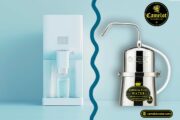
The use of water filtered by the refrigerator is a common practice in many households, as it seems to offer a simple and convenient solution for cold water. However, there are various reasons why we do not recommend using this water for daily consumption and other household uses. These reasons range from hygiene and safety issues to practical difficulties that can affect our quality of life.
⚠️ Health and Safety Issues
🧫 1. Contamination in the Refrigerator Tubes
The water filtered by the refrigerator filter passes through pipes and filters that are integrated into the refrigerator system. If these pipes are not properly maintained, they can become a source of contamination with bacteria and other microorganisms. The materials of the pipes degrade over time, potentially releasing hazardous substances into the water.
🧪 2. Ineffectiveness of Filters
The water filters in refrigerators have a limited lifespan and also a low effectiveness in properly filtering water and often are not as reliable as certified water filtration systems. They contain a small amount of pharmaceutical carbon, making them ineffective, leaving the water unsafe for consumption.
🧱 Practical Reasons
🍽️ 1. Difficulty in Using for Daily Tasks
The amount of water filtered by the refrigerator is limited, making it difficult to use for cooking or washing fruits and vegetables. Daily household tasks require larger amounts of water, and the constant refilling of the refrigerator’s container is exhausting and time-consuming.
⏳ 2. Ineffectiveness in Performance
Refrigerators are not designed to provide water in large quantities at high speed and quality. When you need to fill a small pot for cooking or a large water bottle, it may take a considerable amount of time, making the process impractical.
💸 Financial Reasons
🧾 1. Maintenance Cost
The replacement of filters in refrigerators is expensive. These filters must be changed regularly to ensure that the water remains somewhat clean, which adds an additional cost to the household.
⚡ 2. Efficiency and Energy Consumption
The use of the refrigerator for filtering and supplying water increases the energy consumption of the device, which leads to higher electricity bills. This is harmful both for the family’s economy and for the environment.
✅ Conclusion
While the filtered water from the fridge may seem convenient, the health risks, practical difficulties, and financial issues make this solution inappropriate.
It is preferable to invest in certified high-quality water filtration systems such as Camelot®’s Imperial®, which will ensure our health and effectively meet our daily needs.

Choosing a water filter system is critical for the health and well-being of a family or a business. However, the method of acquiring this system can make a difference both on a financial and operational level.
The contract form of usufruct (rental) is an attractive and cost-effective alternative compared to direct purchase, and here are some reasons why one should consider this approach:
💰 Low Annual Cost
One of the main reasons for choosing the lease-hire agreement format is the low annual cost. With a fixed and affordable annual subscription, users can enjoy the benefits of an advanced water filtration system without having to commit a large sum of money upfront. This makes the solution more accessible to a wider range of customers, from families to businesses.
📦 Fast Delivery and Installation
Through the lease agreement (rental), the customer can immediately acquire the water filtration system without the need to provide a large initial amount for purchase. This means that even customers who do not have the available funds for an immediate purchase can benefit from the purity and safety that the Imperial® Plus system offers.
🔧 Free Maintenance and Repairs
One of the biggest advantages of the lease agreement (rental) is the free maintenance and repair of the device. The company Camelot® fully covers the costs and the process of maintenance and repairs, even after years of use.
This means that the customer does not need to worry about additional costs or unforeseen damages that may arise. This assurance ensures that the system will always operate at its best condition, providing uninterrupted water quality.
🧠 Upgrades and Technical Support
With the lease agreement, customers have the opportunity to benefit from the new technologies and upgrades developed by Camelot®. This means that, at no additional cost, they can gain access to newer and more efficient filtration systems in the future, always maintaining the level of protection and quality at the highest possible level.
🔄 Flexibility and Adaptability
The lease agreement (rental) format also offers greater flexibility to customers. In the event of relocation or changes in needs, the customer can easily adjust their contract or transfer it to a new location without the need to make new purchases or large investments. This adaptability is ideal for people with mobility or for businesses that are in a growth stage.
📊 Economic Stability
By choosing the lease agreement (rental), customers can better forecast and manage their finances, without worrying about large and unpredictable expenses. The fixed annual cost provides security and predictability, which is extremely important for financial planning at both household and business levels.
🌱 Environmental Awareness
The lease agreement also promotes environmental awareness. By ensuring maintenance and repairs, filtration systems have a longer lifespan and the need for disposal and replacement of devices is reduced. This contributes to waste reduction and environmental protection.
📅 Annual Decision Flexibility
An additional significant advantage of the lease agreement (rental) is the ability to reassess the decision every year. Customers are not obligated to spend a large amount upfront and remain with a device that may no longer meet their needs.
Every year, they have the flexibility to decide whether they wish to continue the contract, upgrade it, or even terminate it. This flexibility allows customers to adjust their spending and water filtration solutions according to their changing needs and financial capabilities.
✅ Conclusion
In conclusion, the choice of lease agreement (rental) for the water filters from Camelot® is a financially smart and operationally efficient solution. It offers low annual cost, immediate acquisition and installation, free maintenance and repairs, as well as flexibility and financial stability.
It is the ideal choice for those who wish to enjoy clean and safe water without the financial and operational commitments of an immediate purchase.
The certified company Camelot® is the leading company in the field of water treatment and offers two main ways to acquire its filters in order to help meet consumers’ needs in the best possible way. These two options are the purchase of the device or the annual rental contract for the filter. This way, it can meet the needs for certified clean-healthy water even for the most financially vulnerable customers.
🛒 Purchase of the Device
The first option is the purchase of the Camelot® water filter device. In this case, the device costs 1,560 euros and becomes the consumer’s property immediately. Purchasing the device is a long-term investment in water quality, ensuring access to clean and safe water for many years.
📆 Annual Rental Agreement for the Filter
The second option is the annual rental agreement for the filter, a very economical solution aimed at all customers to have certified clean-healthy water 24 hours a day for an entire year without the immediate financial burden of purchasing the device. In this case, Camelot® grants the filter system to the consumer, but the device remains the property of the company.
The consumer pays an annual fee, which covers only the cost of the replacement filter they choose. There are four replacement filter options, which differ in micron permeability:
- The 0.1 micron filter costs 190 euros
- The 0.2 micron filter costs 159 euros
- The 0.3 micron filter costs 119 euros
- The 0.4 micron filter costs 89 euros
Each of these filters contains 850 grams of active compressed pharmaceutical carbon with maximum absorbency, a quantity that is significantly greater compared to other filters on the market, which contain only 30 to 130 grams of carbon.
Additionally, the water goes through 13 purification stages via the filter with special Ultipor and N66 membranes, ensuring certified absolute purity and quality of the water.
🧰 Installation and Support
Regardless of the choice the consumer makes, Camelot® offers free installation of the device for the above sink system. A qualified company representative visits the customer’s location and installs the system, ensuring that everything works correctly.
Additionally, during the installation, the representative can perform all the experiments presented on the television, demonstrating the effectiveness of the Camelot® filter system. The customer also has the opportunity to ask questions and receive immediate answers regarding the operation and benefits of the system.
In the event that the consumer chooses the annual rental agreement, Camelot® takes on the repair of the device free of charge for any physical damage that occurs, thus ensuring its uninterrupted operation.
The only exception concerns the fitting, which is the lever that allows the switch from tap water to the filter. If the fitting breaks after years of use, the replacement cost will be 10 euros, as its wear is considered a result of frequent use by the customer.
🧾 Conclusions
Camelot® offers two flexible ways to acquire its water filters, allowing consumers to choose the one that best meets their needs and financial capabilities.
Whether choosing the purchase of the device or the annual rental agreement, consumers can be confident that they will enjoy clean and safe water, thanks to the advanced technology and the high quality of Camelot® filters.

The health of the kidneys is critical for the overall well-being of our body. The kidneys play an important role in the regulation of fluid and electrolyte balance, the excretion of waste products from the blood, and the production of hormones that regulate blood pressure.
When there are problems with the kidneys, care and maintenance of their health are absolutely essential. One of the most important factors contributing to kidney health is the consumption of clean, healthy filtered water in the right amount. Let’s examine why this is so important and why properly filtered water, such as Camelot®’s Imperial® Plus, can make a difference.
💧 The Reasons Why Clean Healthy Water is Vital for the Kidneys
☣️ 1. Removal of Toxins
The kidneys function as the body’s filter, removing toxins and waste products from the blood. When we drink water that contains harmful substances, such as heavy metals, chemicals, and pathogens, our kidneys have to work harder to eliminate them. This can strain their function and worsen existing problems.
🦠 2. Prevention of Urinary Tract Infections
Urinary tract infections (UTIs) can lead to serious kidney problems if not properly treated. Clean, hygienic water helps prevent these infections by keeping the urinary system healthy and aiding in the elimination of bacteria from the bladder and ureters.
💓 3. Regulation of Blood Pressure
High blood pressure is one of the main risk factors for the development of kidney problems. Consuming pure healthy filtered water can help maintain the balance of electrolytes and fluids in the body, thus contributing to the regulation of blood pressure.
💦 4. Support for Kidney Function
The kidneys need adequate hydration to function properly. Clean, healthy filtered water helps maintain the body’s proper hydration, which is vital for the normal functioning of the kidneys and the prevention of kidney failure.
💠 Why Choose Camelot®’s Imperial® Plus
The Imperial® Plus is one of the top water filtration systems from Camelot® that offers certified clean and safe water for consumption. Let’s see why this system may be the ideal choice for individuals with kidney issues.
🔬 1. Advanced Filtration Technology
The Imperial® Plus uses advanced filtration technology that can effectively remove heavy metals, chemicals, microorganisms, and other harmful substances from water, meaning all dangerous chemicals and pathogens. This means you can be confident that the water you drink is free from all pollutants that could harm or burden your kidneys.
👅 2. Improvement of Taste and Smell
In addition to safety, clean water has better taste and smell. The Imperial® Plus perfectly enhances the quality of the water you drink, making it pleasant to consume on a daily basis.
🧰 3. Reliability and Lifespan
The water filters from Camelot® are known for their reliability and long-lasting performance. The Imperial® Plus provides continuous water purification without the need for frequent filter replacements for an entire year.
💸 4. Financial Solution
The Imperial® Plus is the most economical solution, as 100 liters cost only 0.50 cents. It eliminates the need to purchase bottled water, which is expensive and harmful to health and the environment.
🌱 5. Environmentally Friendly
By using a filtration system like Imperial® Plus, you contribute to the elimination of the use of plastic water bottles. This is important for protecting your health, the environment, and reducing waste.
✅ Conclusion
The consumption of certified pure-healthy, filtered water is vital for kidney health, especially for individuals with pre-existing kidney issues. The Camelot® Imperial® Plus offers a reliable and effective solution for ensuring clean healthy water, helping to maintain kidney health and overall well-being. By investing in such a system, you not only protect your health but also contribute to environmental protection.
🔗 Sources:
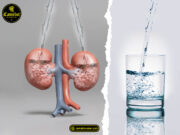
🧪 What is distilled or deionized water?
Distilled or deionized water is water that has been processed to remove all dissolved inorganic salts, metals, and other ions. The distillation process removes all inorganic elements. These types of water are often used in industrial applications, laboratories, pharmaceutical production, and other specialized uses, but they are not suitable for everyday human consumption as drinking water.
🚫 Reasons why distilled water is not suitable for drinking:
❌ 1. Lack of minerals and trace elements
Distilled water is extremely pure, but it lacks vital minerals such as calcium, magnesium, potassium, and sodium, which are naturally found in proper drinking water. These minerals are essential for many biological functions, such as maintaining bone health, heart function, and electrolyte balance. Long-term consumption of water without these nutrients can lead to imbalances in the body.
⚡ 2. Negative impact on electrolyte balance
Distilled water has an acidic pH and does not contain the electrolytes required for the proper functioning of the body. Frequent consumption disrupts the balance of electrolytes, causing issues such as dehydration, cramps, low blood pressure, and neuromuscular function disorders.
🧬 3. Disruption of osmotic pressure
Distilled water, due to the absence of dissolved salts, has a different osmotic pressure than the body’s fluids. This causes effects on the cells, which begin to absorb water to balance the pressure, leading to cell swelling and destruction (lytic action).
🧪 4. Increase in toxicity
Due to the lack of inorganic elements, distilled water has strong dissolving properties. When consumed, it removes vital minerals from the body, increasing the risk of nutrient deficiencies and potential toxic effects.
👅 5. Taste and mouthfeel
Distilled water has a flat taste due to the absence of natural minerals, which makes it less pleasant to consume. Additionally, many people report that deionized water leaves them with an unnatural feeling in their mouth.
📌 What generally applies to distilled water?
🔬 1. Uses of distilled water
- Medical and pharmaceutical applications: Used for the preparation of injectable solutions or for cleaning medical instruments.
- Industrial uses: In the production of products where distilled water is required.
- Household appliances: Recommended for use in steam irons, humidifiers, and batteries to prevent salt buildup.
⏳ 2. Brief consumption
If someone consumes a small amount of distilled water, it will not pose an immediate danger. However, long-term consumption is dangerous for the reasons mentioned above.
💧 3. Solutions for clean water
Filtered or processed water that retains its natural minerals is the best choice for daily consumption. Certified water filters such as the Imperial Plus that preserve nutrients are the most suitable for home use.
✅ Conclusion
The consumption of distilled or deionized water is not recommended for drinking on a daily basis. Although its purity makes it ideal for specialized applications, the lack of nutrients and potential negative health effects render it unsuitable for human consumption. To protect health, water that contains its natural minerals and is tested for quality should be chosen.