


Do not kill the microbes in your body.
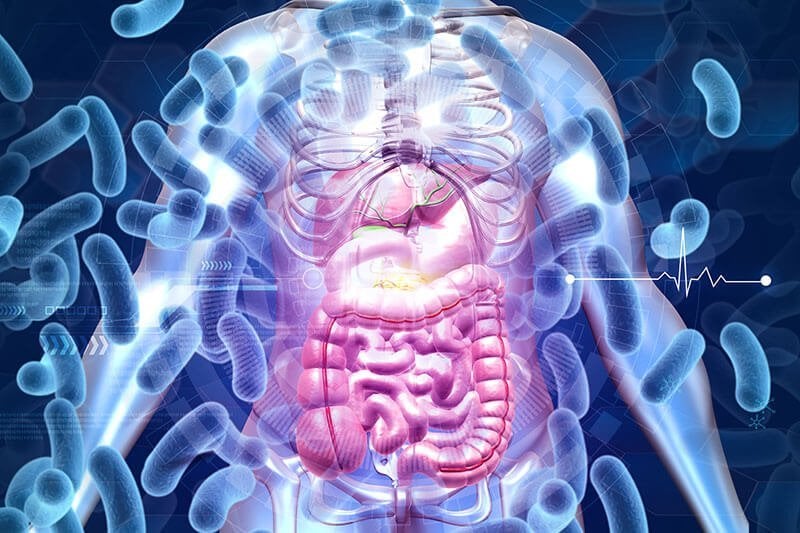

Who doesn’t fear germs? But what would you say if you learned that there are over 100 trillion microbes living in the human body? Good? Strange yet true.
The soil is basically the source of probiotic microbes, but they are also found in dairy products.
Even the most indifferent, the most “brave,” at some point become concerned.
These are what help the proper functioning of many of our organs and protect us from the harmful actions of pathogens.
Every surface of our body that comes into contact (e.g., our skin) or communicates with the environment (e.g., the gastrointestinal tract, the upper respiratory system, the women’s vagina) has concentrations of microorganisms that make up the normal flora.
Overall, although this has not been precisely determined, it is estimated that in our body the number of these microbes is greater than the total number of body cells (100,000,000,000,000).
The type of microbes in the flora of each area varies and together with the organism forms a balanced ecosystem.
These microbes are a hidden friendly world that significantly affects our health and longevity. They are microorganisms that promote our life – probiotics.
Alongside these microbes, there exists a multitude of pathogenic microbes that lurk to cause disease conditions.
If our “friendly microbes” – the normal flora – have a normal composition, then they exclude pathogenic microbes from acting, as they constantly compete with them, developing biological and anatomical barriers.
The biological barrier is achieved by the ability of the normal flora to recognize exogenous pathogenic microorganisms and to trigger their removal.
The anatomical barrier is created by the fact that the normal flora spreads and occupies all surfaces of the epithelial cells of the mucous membranes as well as the epidermis, leaving no free points for pathogenic microbes to attack.
Specifically, the microbiological flora of the intestine regulates the digestion of food, produces enzymes, affects intestinal motility, the composition of feces, and the normal functioning of other systems and mechanisms, as it synthesizes vitamins that are essential, e.g., for the functioning of the central and peripheral nervous systems and muscles (B vitamins), blood clotting (vitamin K), and the formed elements of blood.
Microorganisms that can, in certain cases, create pathological conditions, as cohabitants of friendly microorganisms that reside in the intestine in small colonies, such as the yeast Candida, work and assist in the digestion of sugars, synthesize enzymes, always under the regulatory control of the “friendly” microorganisms of the flora – the probiotics – such as the acidophilic lactobacillus, which limits the Candida fungus in the intestine, so that it does not migrate to other parts of the body and cause disease (e.g., in women’s vaginas).
As long as the balance between the two groups of microbes is maintained, the functions evolve normally.
The source of these probiotic microbes, which make up the so beneficial for our health flora of our body, is mainly the soil, where these microorganisms saprophytically thrive, or dairy products. The largest group is of the genus Lactobacillus (over 40 species), which can live in acidic environments and at temperatures of 40 – 44 degrees.
This is why they can pass through gastric fluid without being destroyed and settle in the intestine. In 1905, three species of lactobacilli were isolated from yogurt as well as from fermented milk (kefir).
The most common species of “friendly” microbes that saprophyte in the human intestine are the lactobacilli (lactobacilli) acidophilus, casei, plantarum, salivarum, bulgaricus, and the streptococcus thermophilus.
In a woman’s vagina, lactobacillus vaginalis is the factor that acidifies the vaginal secretion, as it breaks down the glycogen of the secretion with its enzymes. In case of destruction of this flora, fungal infections usually develop.
If the friendly bacteria in our body are “killed,” this can happen from “antibiotics” – which are primarily produced by bacteria as defensive substances to protect themselves from other hostile bacteria, but are used by humans as therapeutic drugs (e.g., penicillins, cephalosporins, etc.) – from various preservatives and antiseptics found in food, as well as from chlorinated drinking water or radiation or with anticancer chemotherapy, then our health is disrupted.Even the disturbance of the acid-base balance of the gastrointestinal tract or the skin, or alcohol abuse can lead to the destruction of the normal flora, resulting in a short period of time where pathogenic colonies of bacteria, fungi, and viruses, which are inactive due to the competition from our “friendly” microorganisms – probiotics, multiply throughout the length of the intestinal tract, produce toxic byproducts, and through these cause local damage while simultaneously disrupting the functions of digestion, metabolism, and the immunobiological balance, or general infections, since without resistance they can circulate and proliferate in various organs.
In Greece, yogurt (υγείαρτος – yogurt) is offered as a means of reconstituting the damaged flora.
Products containing lactic acid bacteria and generally microorganisms characterized as probiotics are administered orally, so that in a short period they form colonies throughout the length of the intestinal tract and create an environment that increases the absorption and utilization of nutrients from food, synthesizes vitamins, helps in the elimination of food residues and pathogenic microbes, and treats chronic, primarily, intestinal diseases.
Restoring the normal composition of the intestine activates the immunobiological system, allowing for the production of large reserves of non-specific antibodies, as well as specific antibodies against respiratory or urinary diseases, especially if microorganisms from other floras, such as those of the respiratory tract or the urinary tract, are added to these probiotic products.
Of course, the administration of such products would not be necessary if we did not “kill” these microbes.