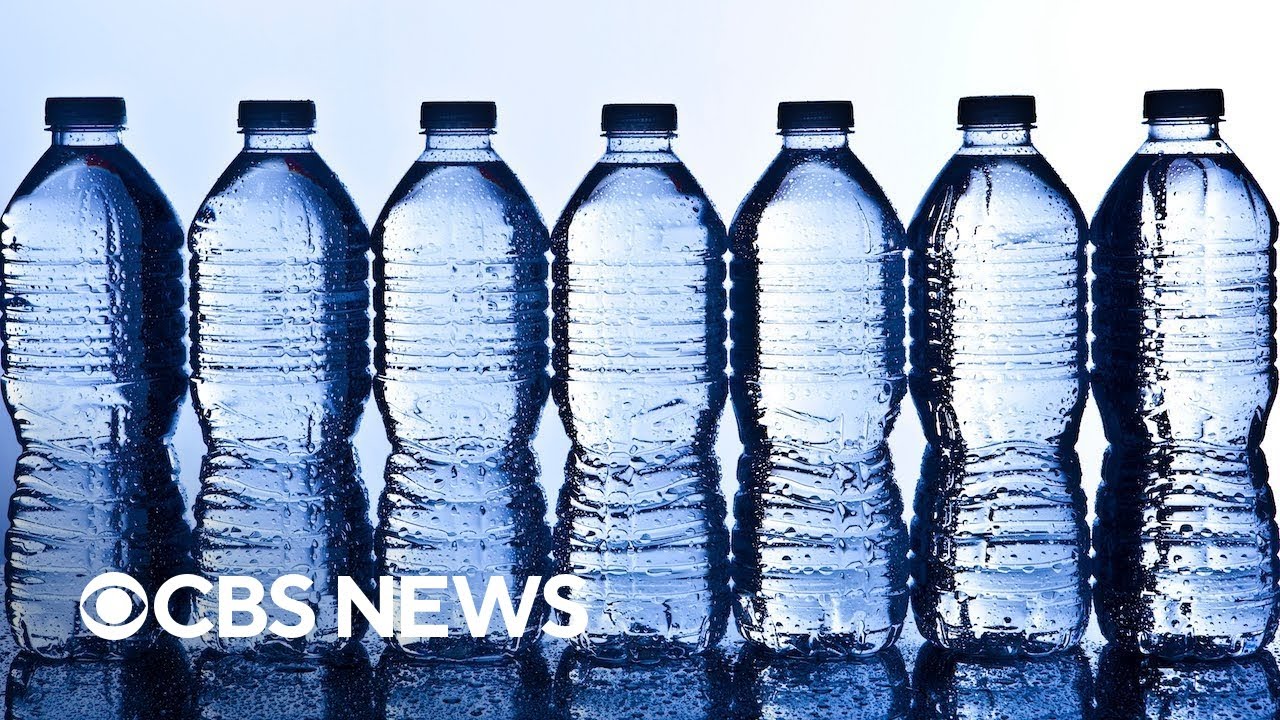


Microscopic pieces of plastic are found in many bottled waters.
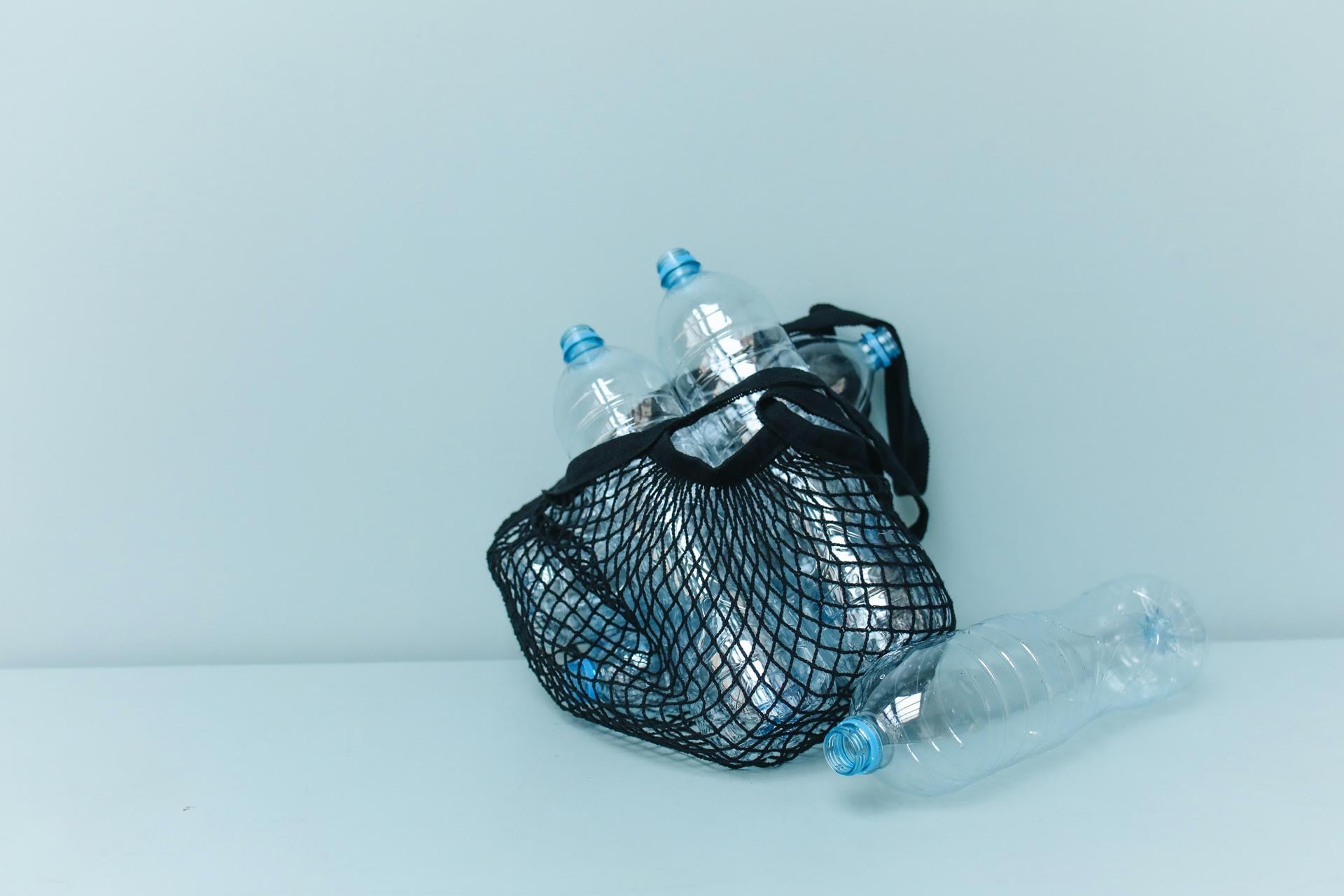
Microplastics in bottled water, and in fact in more than 90% of bottled water bottles, was revealed by an international study. These microplastics are unknowingly ingested by the consumer. However, the study does not include data for Greece.
The microplastics in bottled water are almost double in quantity compared to those found in tap water. It is also worth mentioning that they are present in popular products from well-known companies.
Researchers at the State University of New York, led by Chemistry Professor Sherri Mason, who have not yet made any scientific publication, conducted the research on behalf of the journalism organization Orb Media, according to the BBC and the Guardian newspaper.
They analyzed samples from 259 bottles of water from nine countries and 11 different brands, discovering an average of ten plastic particles wider than a human hair, that is, over 100 micrometers (millionths of a millimeter). An average of 314 micro-particles of potential (but not certain) microplastics were also detected for every liter of water, with each particle sized from 6.5 to 100 micrometers.
In some bottles, the concentrations of particles reached up to 10,000 pieces per liter. Out of the 259 bottles that were tested, only 17 contained no traces of plastics at all. The most common type of plastic found in bottled waters was polypropylene, which is also used in the plastic caps of the bottles.
The bottles had been purchased in the following countries: USA, China, Brazil, India, Indonesia, Mexico, Lebanon, Kenya, and Thailand.
The brands that were analyzed were: Aqua (Danone), Aquafina (PepsiCo), Bisleri (Bisleri International), Dasani (Coca-Cola), Epura (PepsiCo), Evian (Danone), Gerolsteiner (Gerolsteiner Brunnen), Minalba (Grupo Edson Queiroz), Nestle Pure Life (Nestle), San Pellegrino (Nestle), and Wahaha (Hangzhou Wahaha Group).
A second -unrelated to the first- study conducted in the USA by the organization Story of Stuff, which examined 19 different brands of bottled water, also found a significant presence of plastic microfibers. The researchers stated that microplastics in bottled water can also be transferred through the air, so they may be present in bottling plants and thus find their way into the bottles.
The companies reacted by stating that their products meet the highest quality and safety standards. Nestle criticized the methodology of the initial research, saying it could lead to “false positive” results, while Danone also mentioned that the study uses an analysis method that is “ambiguous.
On the other hand, Coca Cola pointed out that microplastics are ubiquitous in the environment, which is why “they are likely to be found at microscopic levels even in highly protected products.” And PepsiCo assured that its products are “reliably safe.
Gerolsteiner also did not rule out the presence of microplastics in the bottled waters, which come either from the air or from the bottling process. However, it emphasized that they are present in lower concentrations than in pharmaceutical products.
The issue is not to point fingers at specific brands, but to highlight that plastics are everywhere, they have become such a widespread material in our society that they infiltrate even water, in all these products that we consume at a very basic level,” said Mason.
So far, there is no evidence that the consumption of these microplastics by humans causes harm, but the issue is the subject of scientific studies. Previous studies have found microplastics in tap water, as well as in many other products, such as seafood, salt, beers, etc.
Source: TO BHMA