

«Bomb» the water in plastic bottles (Real News)
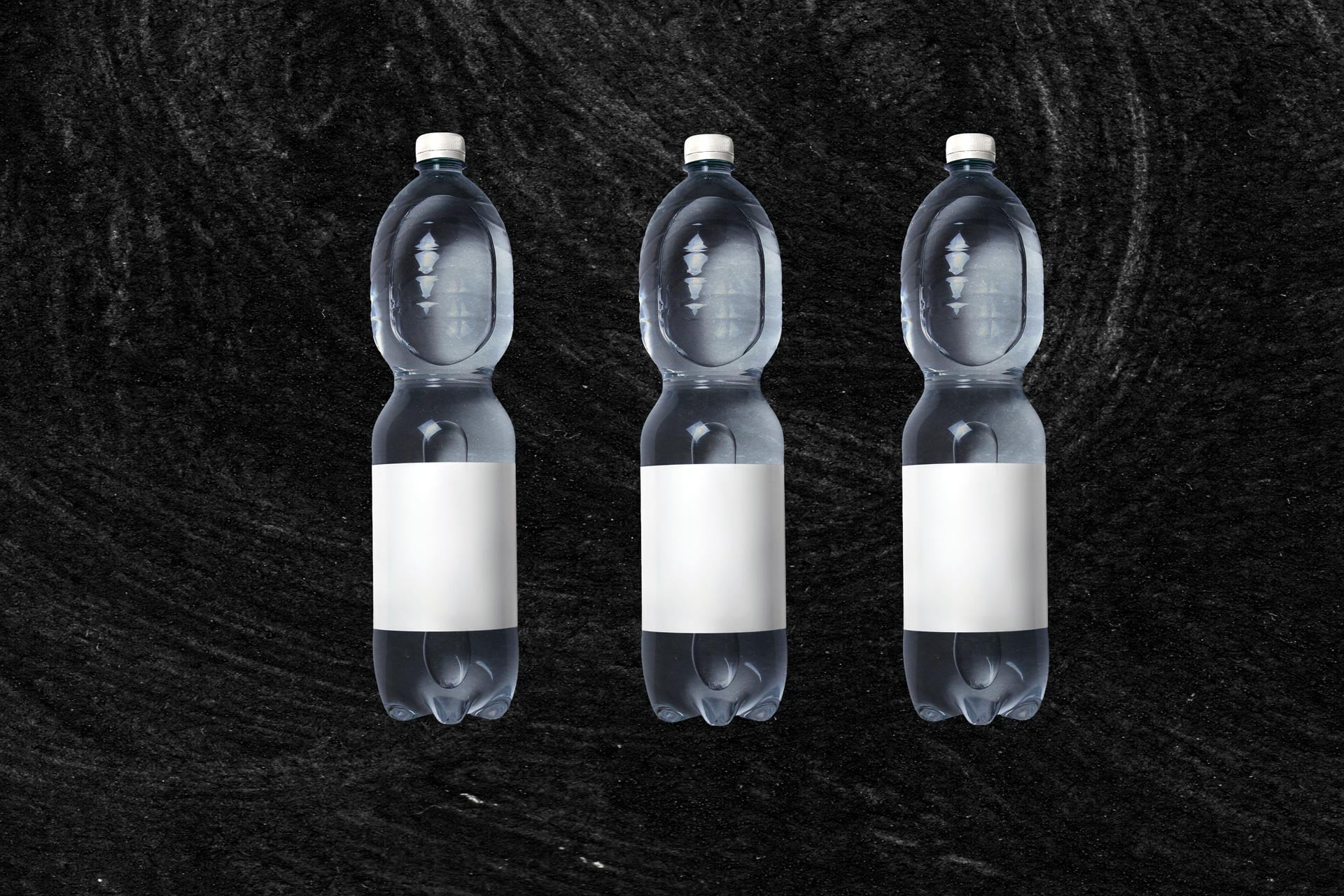
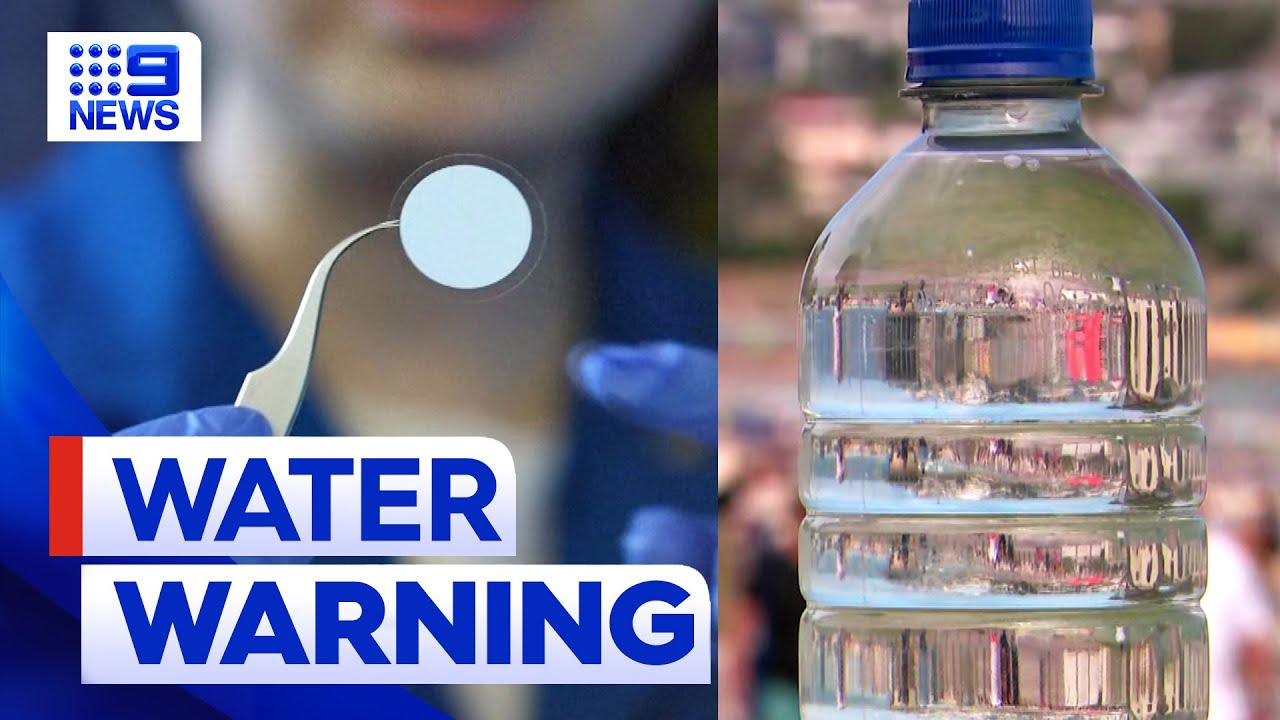
Concerns have also been raised in Greece due to the results of an international study, according to which over 90% of bottled water contains microscopic pieces of plastic that ultimately “reach” the consumer.
According to research by the non-profit organization Orb Media, the microplastic particles found in bottled water are nearly double in quantity compared to those found in tap water. The findings raise significant concerns, especially in our country, where the consumption of bottled water is very high, particularly during the summer months.
In Greece
Speaking to Realnews, Greek scientists report that the concern is justified, as traces of plastic can, under specific conditions, easily pass into water, while systematic consumption may cause problems for the human body. Furthermore, they mention the need for stricter controls and optimization of the production and storage methods of bottled water. “In Greece, frequent checks are theoretically conducted that include the detection of plastic residues. However, sometimes there may be a failure in the plasticization process, which can lead to depolymerization of the plastic. Such a thing can cause the diffusion of substances into the water,” says Michalis Leotsinidis, a professor of Hygiene at the University of Patras.
In the international study conducted by scientists from the State University of New York, led by Chemistry Professor Sherri Mason, samples from 259 bottles of water from nine countries and 11 different brands were analyzed. On average, ten plastic particles wider than a human hair, that is, over 100 micrometers (millionths of a millimeter), were detected. At the same time, an average of 314 micro-particles of potential microplastics were found for every liter of water, with each particle ranging in size from 6.5 to 100 micrometers, while in some other bottles, the concentrations of particles reached up to 10,000 pieces per liter. The most common type of plastic found in bottled waters was polypropylene, which is also used in the plastic caps of bottles. It is noted that out of the 259 bottles tested, only 17 contained no traces of plastics at all! “One key way in which plastics can ‘migrate’ from the bottle to the water is poor storage practices. For example, if they are transported in open trucks or stored in places without protection from the sun and temperature, then substances known as ‘plasticizers’ are transferred to the water,” says Kostas Savvakis, a professor in the Department of Natural Sciences at the Technological Educational Institute of Crete. “Consumers themselves must also be careful. Plastic bottles should not be used more than once, while unfortunately in Greece, many choose to store wine, oil, tsikoudia, etc., in them. This increases the risk of plastic degradation,” emphasizes K. Savvakis. “It is clear that the legislation in our country must be applied to the letter by both businesses and regulatory organizations, such as EFET. Bottling companies are required to have recent analyses, while the understaffing of public services should not be an excuse for any inadequate implementation of the control framework provided,” adds Mich. Leotsinidis, a professor at the University of Patras.
More than 90% of bottled water contains microscopic pieces of plastic.
Microfibers
At the same time, another study, which was also conducted in the USA by the organization Story of Stuff, examined 19 different brands of bottled water and also found a significant presence of plastic microfibers. However, in this case, the researchers argued that microplastics are also transported through the air, resulting in their presence in bottling plants and ultimately “invading” the bottles.
Based on new research, the high levels of consumption of bottled water in our country raise questions about the potential effects of frequent intake of microplastics on the human body. Although professors emphasize that the consumer public should not be overwhelmed by panic, they point out that the risk is real. “These plastic substances act cumulatively in the human body, meaning it matters how often you consume bottled water. Thus, there is a possibility that they may affect the human body, while some studies, which have not been 100% confirmed, even speak of carcinogenesis,” concludes Professor K. Savvakis from the Technological Educational Institute of Crete.