

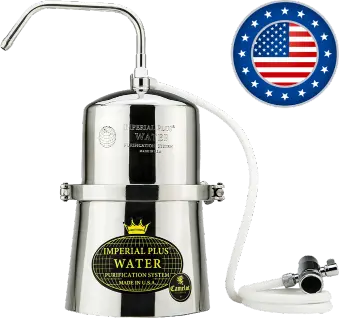
❄️ Can the water filter be connected to the refrigerator?
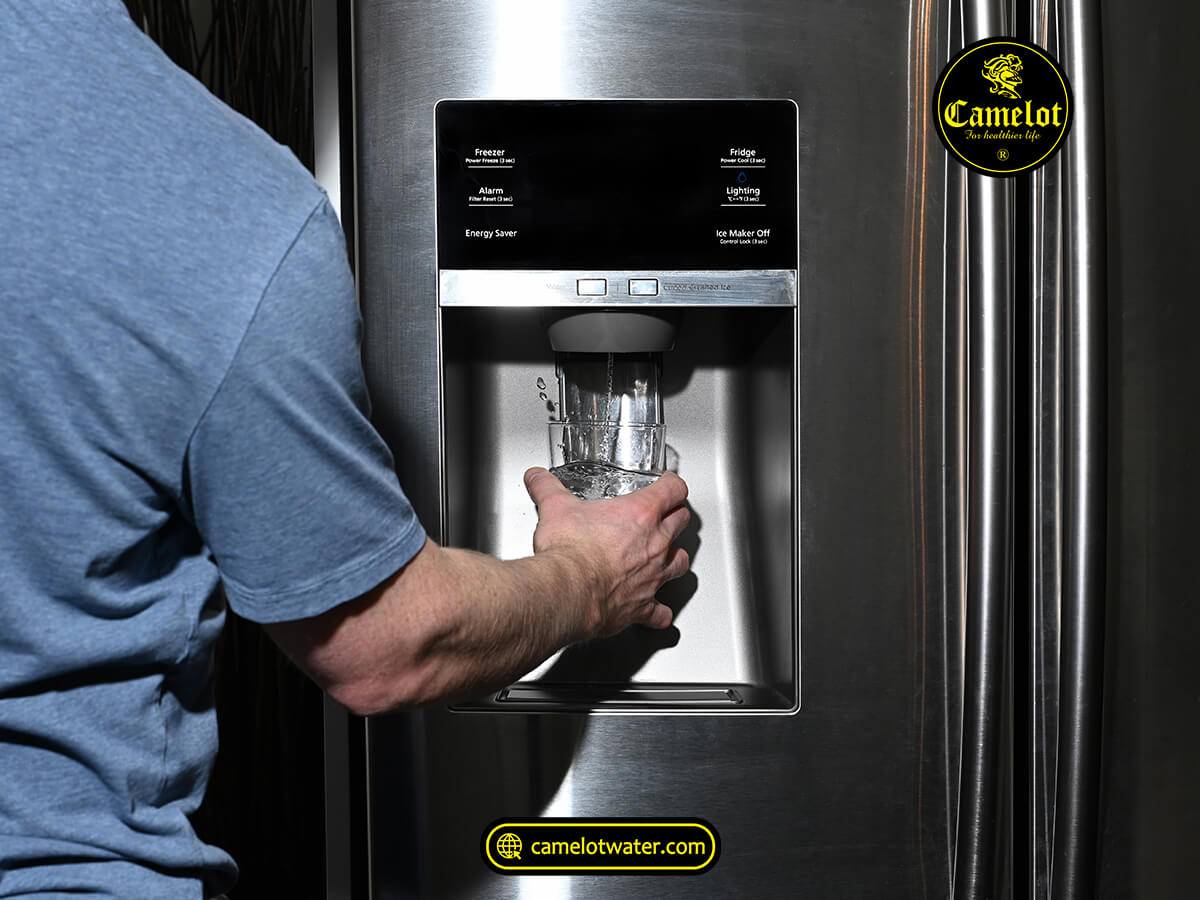
Connecting a water filter to the refrigerator is a common practice that facilitates the distribution of clean water and ice through the appliance, without the need for a separate faucet. Many consumers seek this option in order to have easy access to filtered water and ice without requiring multiple installations. However, there are some key aspects that need to be considered before deciding if it is a safe choice.
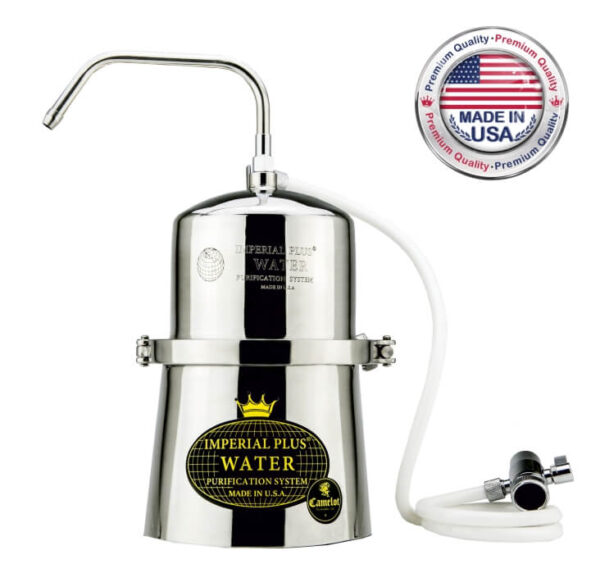
🧪 The Imperial® Plus 5th Generation: Suitable for Connection to the Refrigerator
The Imperial® Plus 5th generation filter is designed with cutting-edge technology that makes it extremely resistant to water pressure. This means that, technically, it can be connected to a refrigerator without affecting its functionality or the quality of filtration. It withstands the conditions imposed by a refrigerator connection and continues to provide the same high level of water purity. Despite this capability, it is important to consider some warnings regarding the long-term safety and quality of the water. It is always recommended to seek the advice of a Camelot® technical consultant before proceeding with any refrigerator connection to ensure that the correct specifications have been met.
⚠️ The Risks of Connecting to the Refrigerator
Although the Imperial® Plus 5th generation filter can withstand connection to the refrigerator, this practice is generally not recommended for several serious health-related reasons. Connecting a filter to the refrigerator can increase the risk of recontamination of the water, both from pathogenic microorganisms and from chemicals that may be introduced through the construction materials of the pipes of the refrigerator.
🦠 Microbial Recontamination
Refrigerators, despite operating at low temperatures, are not free from the risk of developing pathogenic microorganisms. If the refrigerator is not properly maintained or if the pipes connected to the filter are not adequately cleaned, water recontamination can occur. This risk is particularly heightened if the water remains stagnant in the pipes for long periods, creating an environment conducive to the growth of bacteria or other microbes. It is recommended to regularly drain the supply to the refrigerator to avoid water stagnation.
⚗️ Chemical Recontamination
In addition to microorganisms, an important issue is the possibility of recontamination of water with chemical pollutants. The connection to copper pipes, which are often used in water installations of refrigerators, can lead to contamination of the water with copper. Copper, although an essential trace element in small amounts, can be harmful when consumed in high concentrations.
Additionally, the fittings used to connect the various parts of the water installation in the refrigerator may contain lead, a toxic metal that is particularly harmful to health, especially in children and pregnant women. Lead can leach into the water through the wear of these fittings, increasing the risk for consumers. It is recommended to check the quality and origin of the installation materials before any connection with a filter.
🧪 Exposure to Plasticizers
Another risk associated with chemical recontamination is exposure to plasticizers, substances used in the plastic parts of pipes that can leach into the water over time. Plasticizers are known for the endocrine disruptions they can cause, as well as their toxicity.
🛠️ What You Should Pay Attention To
While connecting the Imperial® Plus filter to the refrigerator is possible and can offer practicality, the general recommendation is to avoid it due to the aforementioned risks. However, if you decide to proceed with this option, it is important to take the following precautions:
- Frequent maintenance: Regular maintenance and cleaning of pipes and connections is critical to reducing the risk of microbial growth and chemical contamination.
- Pipe replacement: Consider replacing old pipes with more modern materials that do not contain hazardous chemicals such as lead and copper.
- Attention to plastic parts: Prefer refrigerators and installations that use certified and safe materials, especially regarding plastic parts and plasticizers.
In any case, it is recommended to officially document the technical connection decision for warranty and safety reasons.
✅ Conclusion
Connecting a water filter to the refrigerator may seem like a convenient solution, especially with filters like the Imperial® Plus 5th generation, which withstand water pressure and ensure high-quality filtration. However, the risks of recontamination, whether from pathogenic microorganisms or chemical pollutants, make this practice not as safe as it may initially appear.
To ensure the best water quality for you and your family, it is recommended to choose the installation of the Imperial® Plus on the counter or under the counter, ensuring the effectiveness of the filtration and protecting your health from the risks associated with connecting to the refrigerator.