

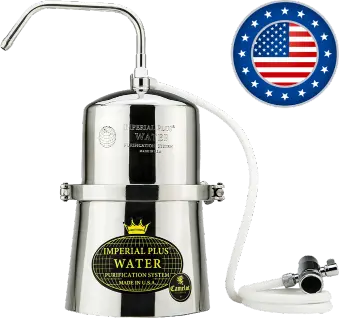
🔬 Do microns play a role in an active pharmaceutical carbon filter?


Microns is a term widely used in the water filter industry and refers to the size of particles that a filter can remove from water. The term “micron” (or micrometer) is a unit of length measurement equal to one millionth of a meter (1 micron = 1 μm = 0.000001 meters). Many consumers confuse microns with the amount of filtration. In reality, the size of the pores (micron) is just as important as the quantity and type of material.
📏 Importance of Micron in Water Filters
⚙️ Particle Size
The size of the particles that a filter can remove is crucial for its effectiveness. A filter with a small micron rating can remove much smaller particles compared to a filter with a higher rating.
For example, a filter from 0.1 to 0.4 micron removes bacteria, while a 0.5 micron filter does not remove them and is suitable only for the removal of larger particles such as sand and sediments.
🦠 Types of Pollutants
The size of the pollutants that need to be removed determines the type of filter that will be used.
✅ Filtering Effectiveness
The performance of the filter directly depends on the size of the microns and the amount of activated carbon. It must be over 800 grams.
A filter with smaller microns is more effective in removing smaller-sized pollutants. The smaller the microns, the harder it is for pathogens, microplastics, and other hazardous substances to pass through, ensuring high-quality drinking water.
🔧 Usage Examples
🏡 Home Water Filters
In filtration systems for home use, choosing the right micron size is crucial for the provision of clean and safe drinking water.
For example, a 0.1 micron filter can be used for the removal of all pollutants and microorganisms.
🏭 Industrial Water Filters
In the industry, filters with different micron sizes are used for water treatment, depending on the needs of the process.
For example, in the pharmaceutical industry, filters with much smaller microns are required for the removal of microbes and microparticles.
🐄 Livestock Farming
In the livestock sector, water filters with appropriate micron sizes are used to ensure clean water for consumption by animals, thus avoiding diseases that can be caused by pollutants in the water. Providing filtered water with the correct micron can drastically reduce antibiotic consumption in livestock farming.
🔎 Importance of Choosing the Right Filter
The selection of the appropriate filter with the correct micron rating is of great importance for ensuring water quality. By considering the specific contaminants that need to be removed, users can choose filters that will meet their needs more effectively.
The 0.1 micron is the most effective.
Also, the proper maintenance and replacement of filters is essential for the ensuring of ongoing effectiveness of filtration for a whole year as long as it has active pharmaceutical carbon of 850 grams. High filtration performance is of no value if the filter is not replaced in the scheduled time.
🧪 Application in Activated Carbon Filters
The microns play a crucial role in active pharmaceutical carbon filters because the smaller the size, the better the filtration is.
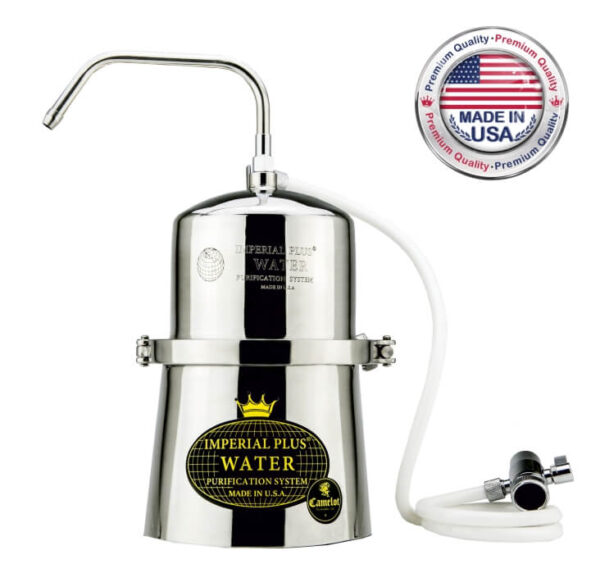
Specifically, the microns of Imperial® Maximum and Imperial® Plus range from 0.4 to 0.1. Thus, they remove all pathogenic microorganisms from our water, because the smallest diameter of a pathogenic microorganism is over 0.5 micron. This means that the water is safe even for infants or vulnerable organisms.
✅ In conclusion
Microns are a critical measure for understanding and selecting water filters. Understanding exactly what they mean and how they affect the filtration process is vital for ensuring clean and safe water, whether for residential or industrial use. Do not choose a filter based solely on price. Always request technical specifications: micron, carbon weight, origin, and certification certifications.
🔗 Sources:
EPA – Guide to Drinking Water Treatment
NSF – Filtration Technologies & Micron Ratings
WHO – WHO Guidelines for Drinking-Water Quality (Book)