

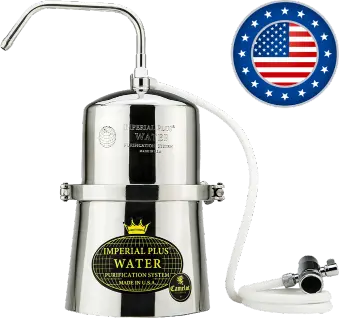
Certified Water Filters and Human Activity: Improving Performance and Well-being
Water is one of the most valuable natural resources, essential for the survival and development of humans, the economy, and ecosystems. However, human activity has posed significant challenges to water management and quality, with pollution and overexploitation threatening water security globally.. In the face of these challenges, the use of certified water filters emerges as the most significant solution for improving water quality, performance, and the well-being of people.
Human Activity and Impacts on Water
Human activity, from industrial production to agricultural management and daily consumption, has exposed water to a range of hazardous pollutants.These pollutants include heavy metals, chemical waste, plastic micro-particles, resistant bacteria, and others, which render the water unsuitable for consumption and other uses. This pollution not only threatens human health but also the sustainability of ecosystems, affecting food production, access to clean water, and the quality of life in general.
Certified Water Filters: The Solution for Improving Quality and Performance
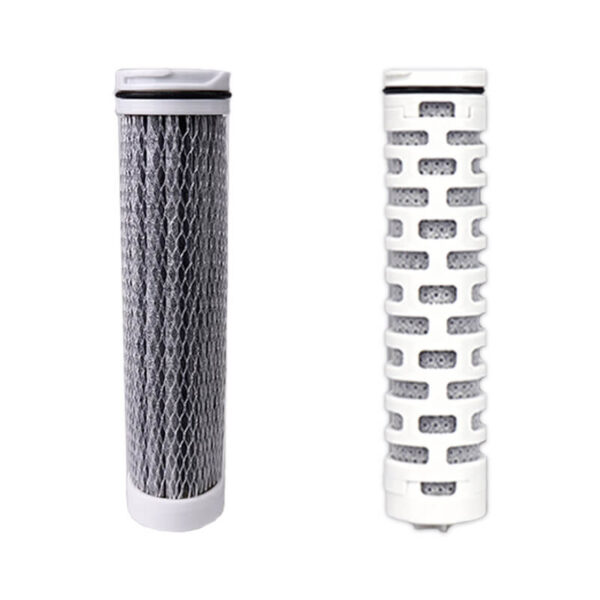
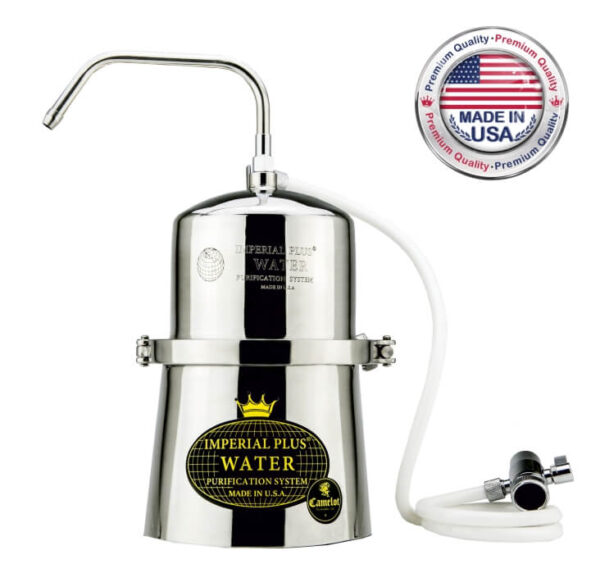
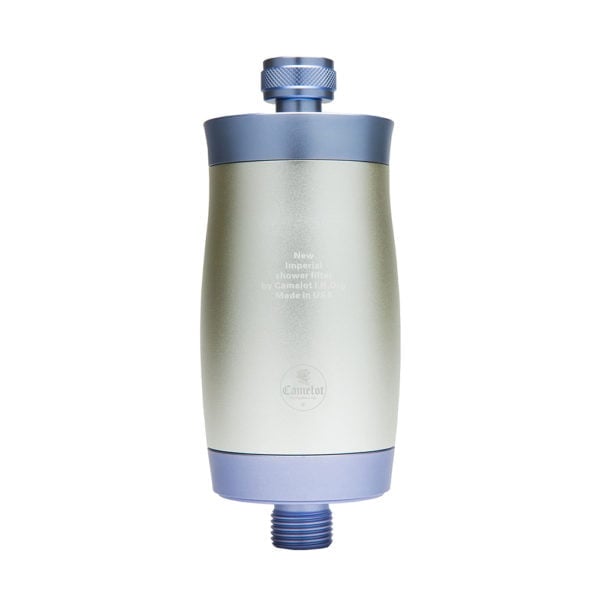
In the context of these challenges, certified water filter technology offers an effective solution for the treatment and improvement of water quality.Using various filtration methods, such as special ultipor and N66 membranes and activated pharmaceutical carbon, certified water filters can remove contaminants and improve the taste, smell, and overall quality of water. This leads to a better quality of life, enhancing the health and well-being of individuals.
Economic and Social Impacts
The use of water filters also has significant economic and social implications. With the improvement of water quality, the need to purchase bottled water decreases, reducing costs and the environmental footprint. Additionally, improved access to clean water has positive effects on education and economic development, especially in underdeveloped areas where access to safe water is limited.
Conclusions
Human activity has caused significant challenges to the quality and availability of water, threatening the well-being and performance of societies. Certified water filters provide a vital solution to these challenges, improving water quality and contributing to human well-being.However, it is important to develop and adopt sustainable practices and technologies in order to maximize the benefits of water filters, both for people and for the environment. Through conscious consumption, research, and technological innovation, we can work towards a more sustainable and healthy future water management.