

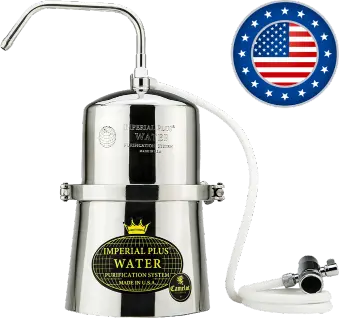
Trifluoroacetic Acid (TFA): Hazards and Removal from Camelot Water Purification Systems
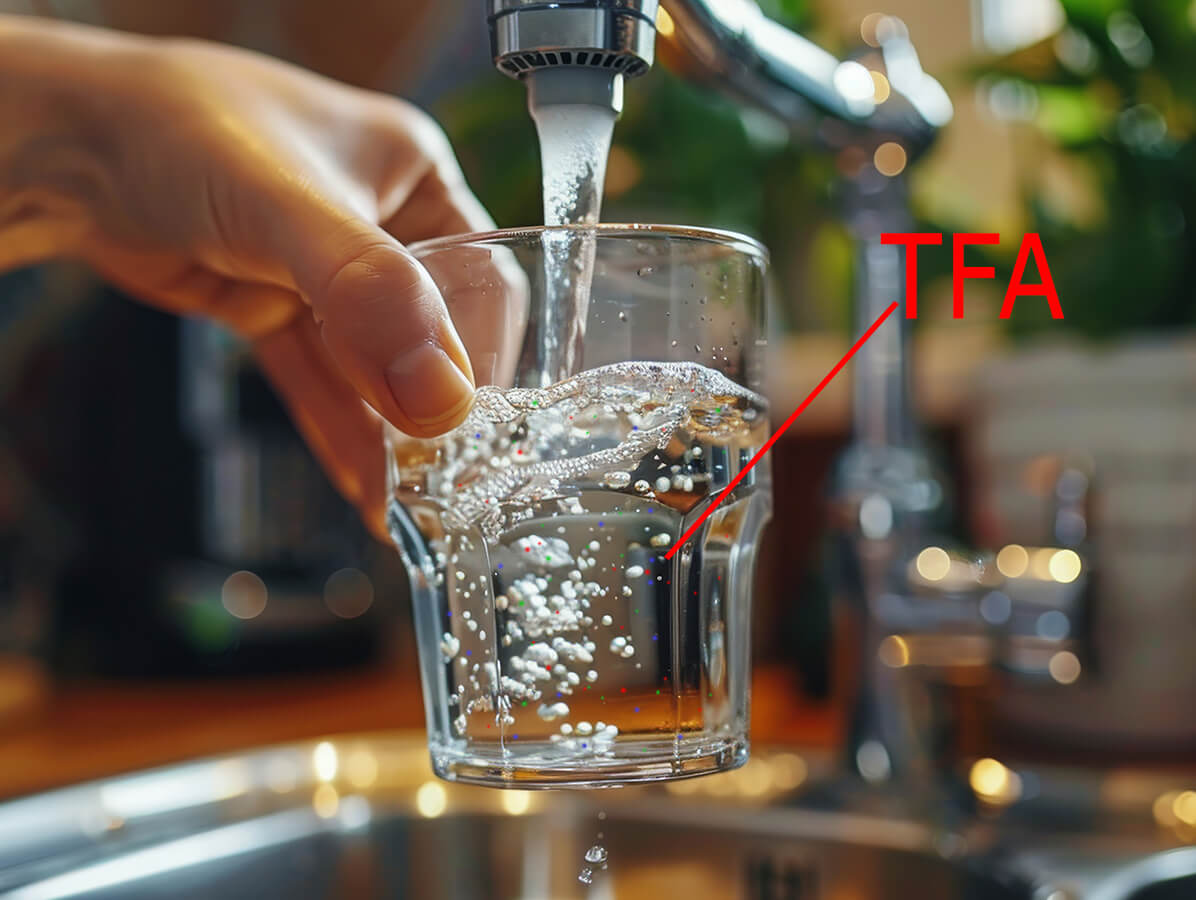

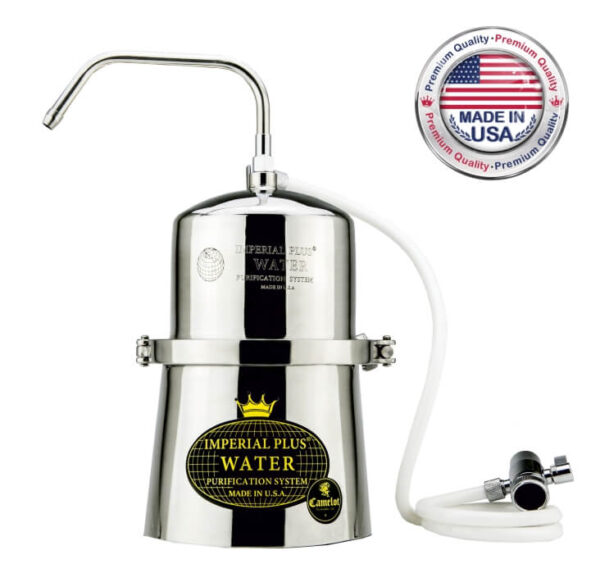
Trifluoroacetic acid (TFA) is a chemical compound of concern due to its stability and potential toxicity to the environment and human health. As its presence in water resources increases, the need for effective water purification systems becomes more urgent. The water purification systems of Camelot®, such as the Imperial, are designed to address these challenges, providing safe and clean water.
What is Trifluoroacetic Acid?
Trifluoroacetic acid (C₂HF₃O₂) is an organic pollutant that belongs to the family of fluorinated organic compounds. It is produced as a byproduct in various industrial processes, such as the production of fluorinated polymers and refrigerants. Its high stability and water solubility mean that it can persist in the environment for long periods, creating risks for human health and ecosystems.
The table below includes the main test results and the relevant information described in the report on TFA (Trifluoroacetic acid) in drinking water in a survey of 11 European countries.
Key results of TFA tests in drinking water
| Number of Samples | TFA Detection | TFA Concentration Range (ng/L) | Average TFA Concentration (ng/L) | Drinking water (tap) |
| 34 (94%) | 36 | < 20 – 4100 | Bottled water (mineral and spring) | 740 |
| 12 (63%) | 19 | < 20 – 3200 | < 20 – 3200 | 278 |
Important Points
- TFA Detection in Drinking Water:
- TFA was detected in 94% of drinking water (tap) samples from 11 European countries, with concentrations ranging from below the limit of detection (LOD) of 20 ng/L to 4100 ng/L, with an average concentration of 740 ng/L.
- TFA was detected in 63% of bottled water samples (mineral and spring), with concentrations ranging from below the LOD to 3200 ng/L, with an average concentration of 278 ng/L.
- Multi-PFAS analysis in mixed samples:
- The analysis of mixed samples confirmed that TFA is the dominant form of contamination (>98%) from PFAS in drinking water.
- Relevance to human health:
- Toxicological studies are limited, but some recent studies suggest that TFA may cause similar effects to the more well-known PFAS (toxicity to the liver and genetic abnormalities) at higher concentrations.
- The Dutch National Institute for Public Health and the Environment (RIVM) proposed a guideline for drinking water for TFA at 2200 ng/L, based on a risk assessment.
- Legal Framework:
- Despite the spread of TFA, there is still no legal limit in the EU for TFA in surface water, groundwater, or drinking water.
- From 2026, a total limit for PFAS of 500 ng/L in drinking water is expected to be implemented in the EU, which will likely also include TFA.
Health and Environmental Impacts
Trifluoroacetic acid is resistant to biodegradation, making it a long-term source of pollution in aquatic systems. Despite the lack of extensive studies on its effects on human health, there is concern about potential toxic effects, such as damage to the liver and kidneys, as well as disruptions to the endocrine system. In the environment, TFA can affect aquatic life, reducing biodiversity and disrupting ecosystems.
Removal of Trifluoroacetic Acid from Water
The removal of trifluoroacetic acid from drinking water is a challenge due to its chemical stability. Traditional water purification methods, such as chlorination and ozonation, are ineffective in removing such stable organic pollutants. This is where advanced water purification systems, such as those from Camelot®, play an important role.
The Water Purification Systems of Camelot®
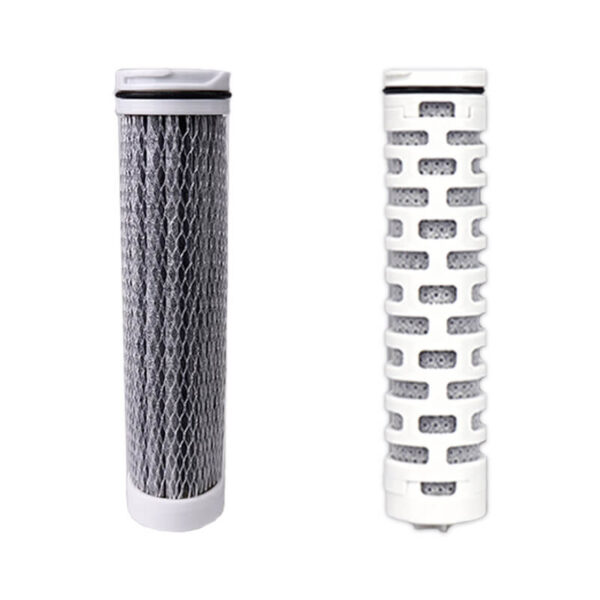
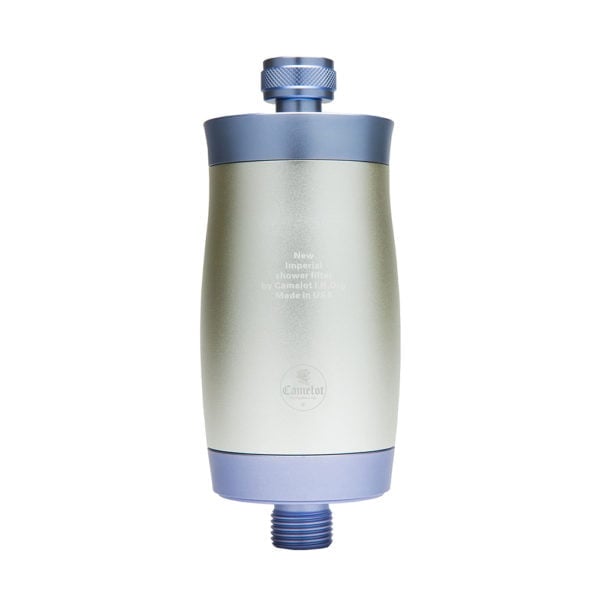
Camelot®, with its advanced water filters, offers effective solutions for the removal of trifluoroacetic acid from drinking water. The Imperial® systems of Camelot® use multi-stage technologies with 850 g of coconut activated pharmaceutical carbon with 0.1 micron pores that can retain trifluoroacetic acid.
Effects of Using the Imperial Filters of Camelot®
With the use of Imperial® filters from Camelot®, consumers can be assured that their drinking water is free from harmful contaminants such as trifluoroacetic acid. This protection is vital for ensuring the health of families and maintaining water quality.
Conclusion
The presence of trifluoroacetic acid in water systems is a serious environmental and health concern. These findings indicate a significant worry about the presence of TFA in drinking water in Europe and the need for stricter regulatory measures and further research on their toxicity and effects on human health.
Sources
- European Chemicals Agency (ECHA):
- The “Information on Chemicals” section provides detailed information on the properties and risks associated with trifluoroacetic acid.
- ECHA – Trifluoroacetic Acid
- European Food Safety Authority (EFSA):
- Report on the potential impact of TFA on food safety.
- EFSA – Trifluoroacetic Acid
- European Environment Agency (EEA):
- Publications discussing the environmental impact and persistence of TFA.
- EEA – Perfluorinated Compounds
- European Commission:
- Policy documents and risk assessments regarding TFA in the context of water safety.
- European Commission – Water Safety
- German Federal Environment Agency (UBA):
- Studies and reports on the occurrence and impact of TFA in the environment.
- UBA – Trifluoroacetic Acid
- Swiss Federal Office for the Environment (FOEN):
- Research on the detection and environmental impact of TFA in European water bodies.
- FOEN – Persistent Organic Pollutants
- French National Institute for Industrial Environment and Risks (INERIS):
- Risk assessments and industrial impact studies related to TFA.
- INERIS – Trifluoroacetic Acid
- UK Environment Agency:
- Investigations and reports on the environmental presence and effects of TFA.
- UK Environment Agency – Trifluoroacetic Acid
- Norwegian Institute for Water Research (NIVA):
- Studies on the occurrence and behavior of TFA in European aquatic environments.
- NIVA – Perfluorinated Compounds
- European Federation of National Associations of Water Services (EurEau):
- Policy recommendations and studies on the removal of TFA from drinking water.
- EurEau – Water Quality
- PAN Europe Report
These sources provide extensive information and analyses on trifluoroacetic acid, its effects, and removal methods, making them valuable for research and understanding of the topic.