

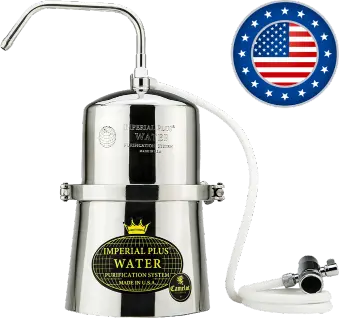
🚰 What is the situation with small faucet filters and how effectively can they clean water?
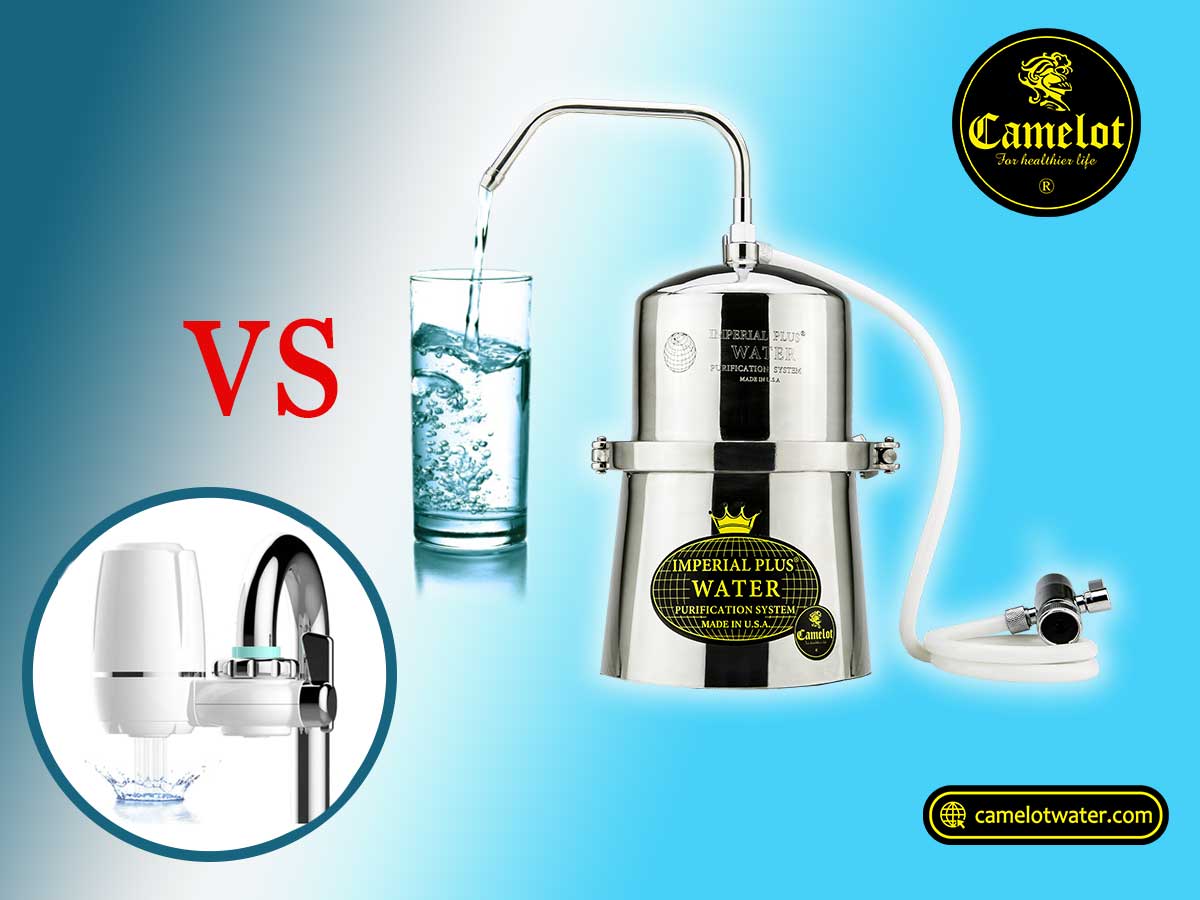

Small faucet filters may seem like an easy and cost-effective solution for water purification; however, they have several disadvantages compared to larger and more advanced systems like Imperial Plus. Below, we will analyze the key differences and the downsides of small faucet filters.
1️⃣ Limited Filtering Capability
The small faucet filters have a low capacity with 20-50 grams of carbon and fewer filtration stages or none at all compared to larger filters like the Imperial Plus. This means that they simply reduce some pollutants while not removing most of them, such as:
- heavy metals
- chlorine
- chloramines
- pesticides
- medications
- plasticizers
- other hazardous chemicals and pathogenic microorganisms
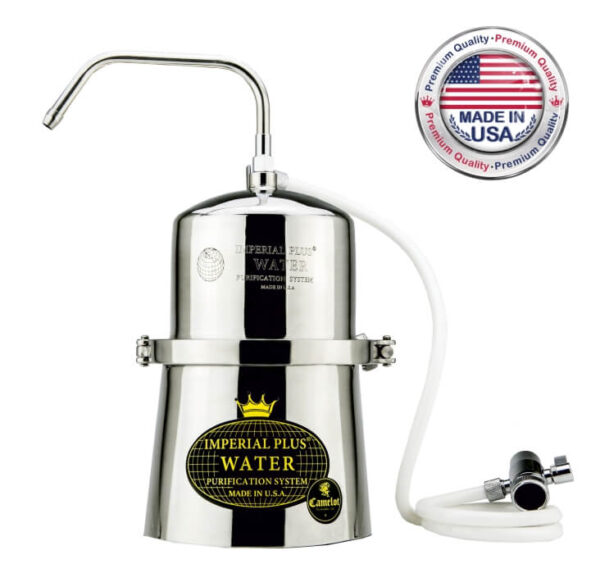
A modern large filter, such as the Imperial Plus with 850 grams of Grade 1 active pharmaceutical carbon, features specially efficient filtering materials and multiple stages of water purification 14 sheets 0.1 micron, achieving deep and comprehensive purification of water from all pollutants.
2️⃣ Short Lifespan and Frequent Filter Change
Small faucet filters have a low filtration capacity, usually from 500 to 1,000 liters, and require replacement very frequently, usually every 1 to 3 months.
In contrast, the Imperial Plus has much greater durability, with filters that can clean over 15,000 liters of water or one year of use before needing replacement, making it more cost-effective in the long run.
3️⃣ Low Water Flow
Faucet filters have a limited water flow because their small size restricts the cross-section through which the water passes. This means that the water pressure can be significantly reduced, which can be annoying, especially if you are using it to fill large containers, cooking, etc.
The Imperial Plus, on the other hand, is designed for high water flow without pressure reduction, serving large needs for clean water.
4️⃣ Does Not Protect Against Microorganisms and Bacteria
These faucet filters do not provide effective protection against bacteria, viruses, and microorganisms. In contrast, a large filter like the Imperial Plus includes advanced technologies to remove pathogenic microorganisms.
5️⃣ Limited Ease of Use
Faucet-mounted filters may be easy to install, but they create practical problems, such as:
- Annoying connection at the faucet that may cause leaks
- Restriction on the use of the tap, as it does not easily fit under containers or pots.
- They require frequent maintenance and replacement, which can be tiring.
In contrast, the Imperial Plus connects directly to the supply or under the counter, without affecting the daily use of the faucet.
6️⃣ Long-Term Cost
Although small faucet filters may initially seem cheaper on the market, their replacement cost accumulates over time making them more expensive. In contrast, the Imperial Plus may have a higher initial cost, but it offers much lower maintenance costs and a longer lifespan with guaranteed results for our health.
🧾 Conclusion
While small faucet filters may be a temporary solution compared to a modern large system like the Imperial Plus, they have significant disadvantages because they do not solve any water purification problems — we simply think we are filtering our water while it is not happening.
For good water quality, long lifespan, high flow, and comprehensive health protection, an advanced filter like the Imperial is the reliable and efficient choice.
👨🔬 Certified specialists
📌 Kostas Athanasiou
WQA Certified Water Specialist since 2008, with experience since 1987.
Member of the National Environmental Health Association
📌 Heracles Athanasiou
WQA Certified water specialist since 2008, with experience since 2000.
Member of the National Environmental Health Association
The Water Quality Association (WQA) is the largest independent, global organization for the certification of water treatment technologies.