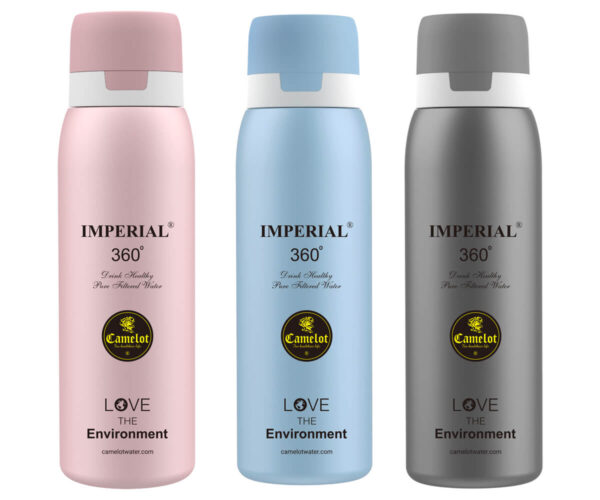


🧴 Some people choose bottled water as a solution. But is it safe for their health?
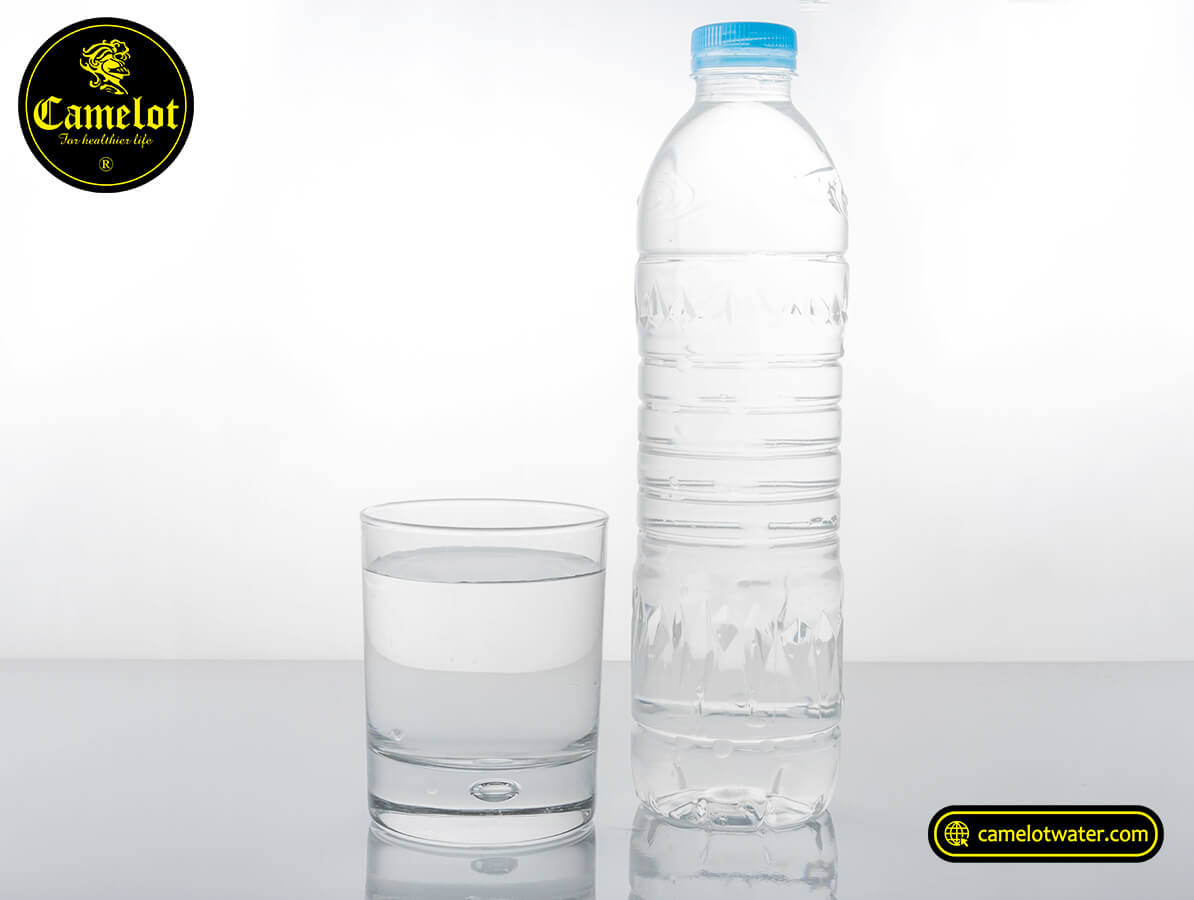
Due to ignorance, the increasing demand for bottled water has created a huge industry, which is presented as a more safe and healthy option than tap water. However, the reality differs significantly from this image. It is worth examining whether bottled water is really safe for our health and what the risks associated with its consumption are.
🚰 Where does bottled water come from?
First of all, we must know that 59% of bottled water that is distributed worldwide does not come from natural sources, but is filtered and processed water that comes from surface or underground sources such as rivers, lakes, wells, and the water supply network. This water is treated and purified to be ready for consumption.
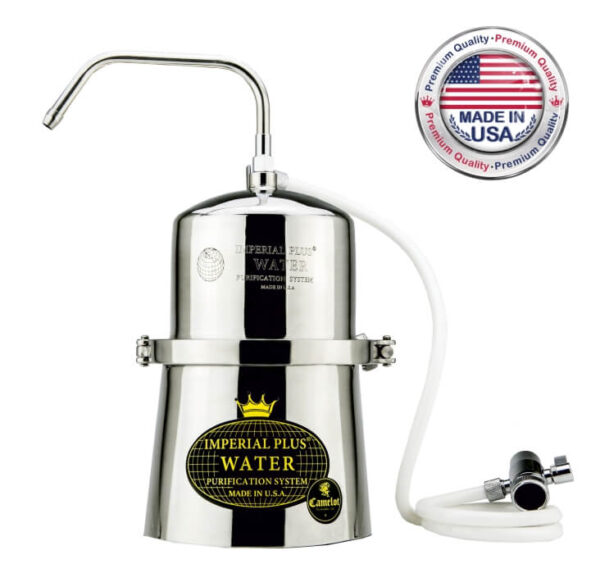
Essentially, what we need to do at home with special modern filters, others do and sell at prices 500 to 1000 times higher than the cost of the water we can filter at home and have certified cleaner tap water for drinking, cooking, and washing our food.
⚠️ Is it safe for our health?
As for our health safety, the answer is no. Many studies have shown that bottled water may contain more contaminants than tap water, such as dangerous pathogenic microorganisms.
For example, an increase in heterotrophic bacteria of up to 10,000 times has been reported after three weeks of storage. Additionally, bottled water may contain dangerous chemicals that come from the plastic bottle, such as carcinogenic plasticizers, etc.
🌡️ Problematic storage conditions
Another factor to consider is the storage and transportation conditions of the bottles.
📦 The labels on the bottles state that they should be stored in a cool and shady place at temperatures not exceeding 18°C.
However, the bottles:
- are often transported with open trucks
- stored at high temperatures
- reach the consumer already altered
🧴 Long-lasting stay in plastic
Bottled water can remain stagnant in the plastic bottle for over a year before consumption. The thought of consuming something so “canned” daily for a long period is unthinkable for many.
💸 Financial and practical disadvantages
Bottled water is also:
- Expensive and not convenient, as frequent transportation is difficult.
- Most people only drink from this and do not use it for washing their food or for cooking, which reduces the value of this choice.
🌍 Environmental consequences
Bottled water has significant environmental impacts:
- The production and transportation of plastic bottles consumes huge amounts of oil and water
- When bottles burn, they produce dangerous chemicals such as hydrochloric acid, heavy metals, and dioxins
- The plastic bottle takes 300-500 years to decompose.
✅ Smarter and safer solution
In conclusion, the choice of bottled water is not a safe or sustainable solution for our health or for the environment.
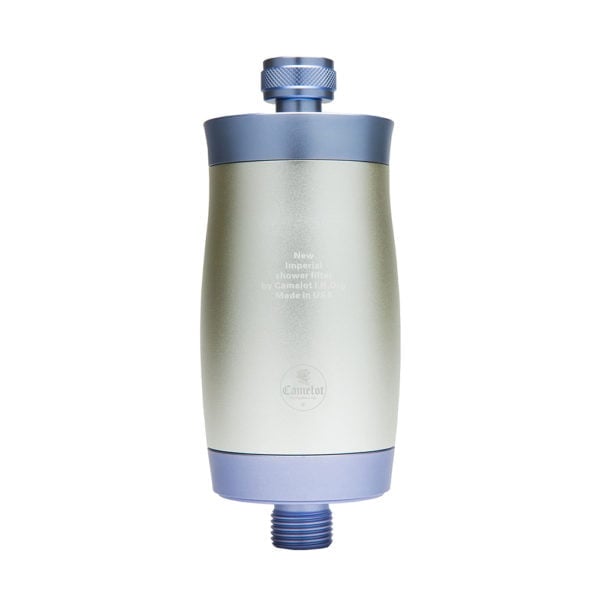
The use of certified water filters at home offers a more economical, safe, and environmentally friendly alternative. It is important to be informed consumers and make choices that promote our health and protect our planet.
📚 Sources
BMC Public Health – Bacteriological quality of bottled water
National Geographic – How Bottled Water Harms the Planet
University of New South Wales (UNSW) – Plastic leaching from bottled water under heat