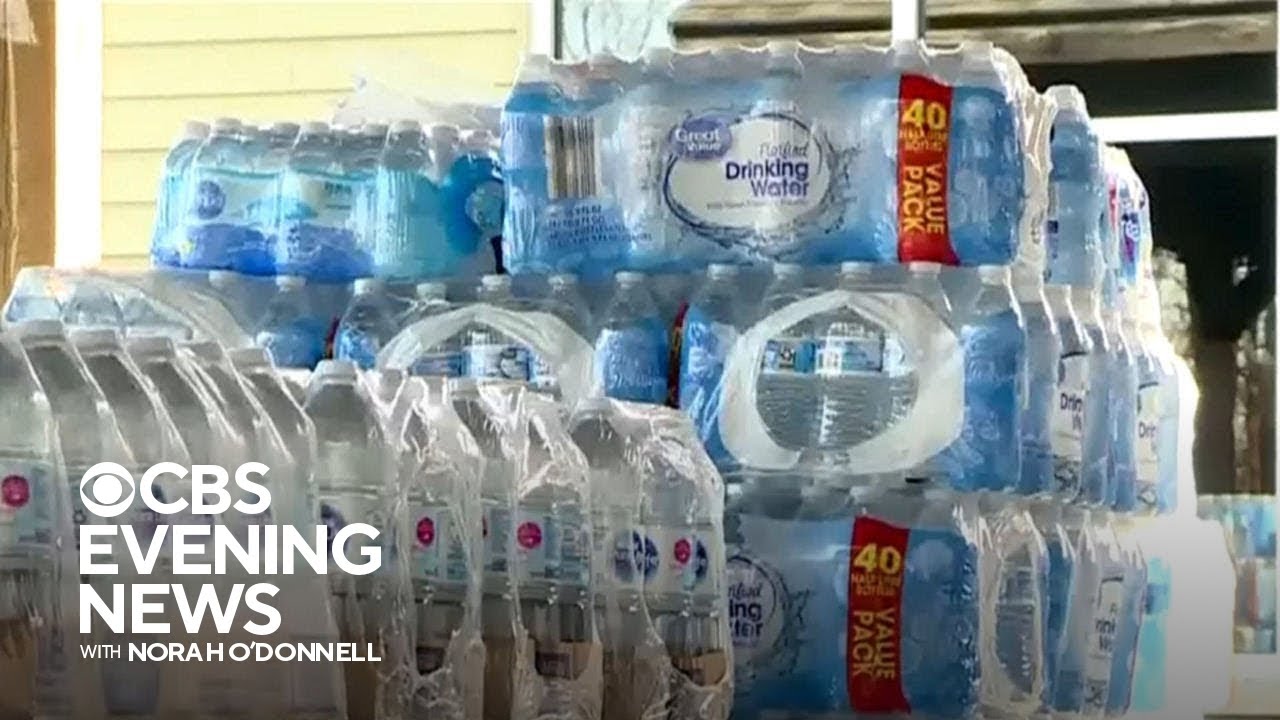


Bottled water may contain thousands of tiny pieces of plastic.
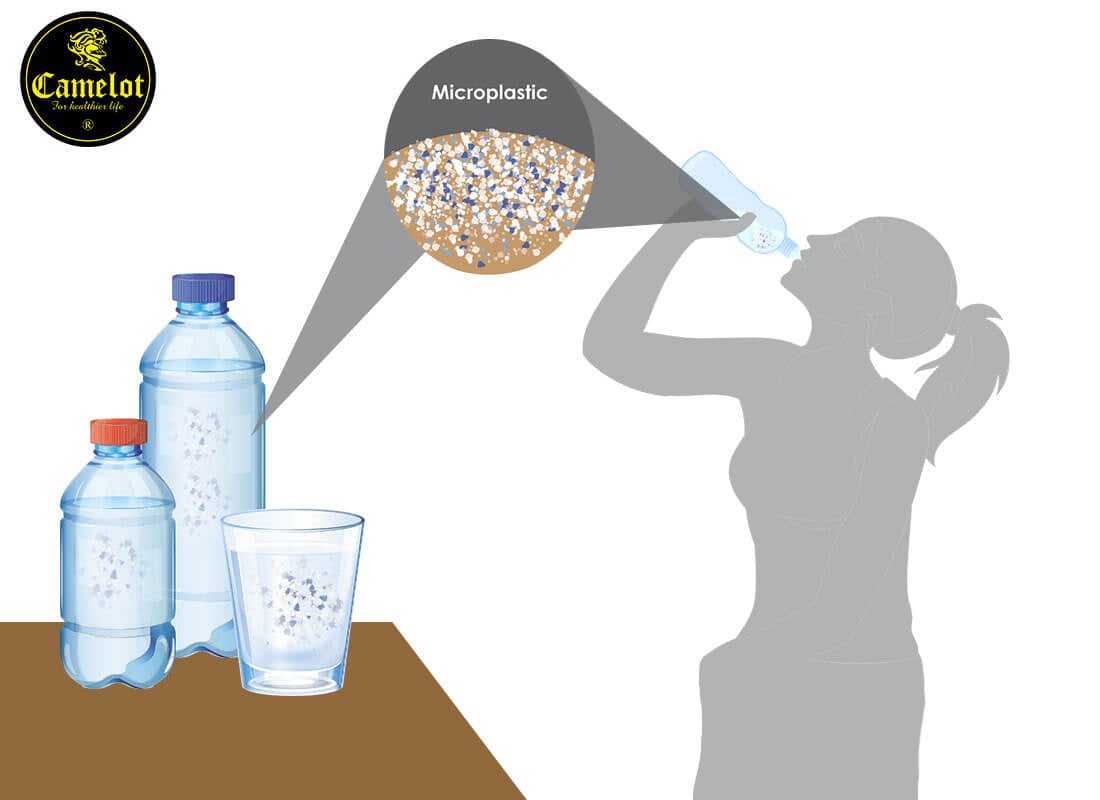
On average, one liter of bottled water contained about 240,000 detectable plastic fragments.
Bottled water can contain hundreds of thousands of plastic fragments, which have significant implications for human health, according to a study published in the journal “Proceedings of the National Academy of Sciences.
As researchers found, on average one liter of bottled water contained about 240,000 detectable plastic fragments, which is ten to 100 times more than previous estimates. These are nanoplastics, so tiny that they can pass through the intestines and lungs directly into the bloodstream and then to organs such as the heart and brain. They can even pass through the placenta into the bodies of fetuses. Scientists aim to study the potential effects on a wide variety of biological systems.
Global plastic production is approaching 400 million tons annually. More than 30 million tons are discarded each year into waters or on land, and many products made with plastics, including synthetic fabrics, release particles while still in use. Most plastics do not decompose; they simply break down repeatedly into smaller and smaller particles of the same chemical composition.
Plastics in bottled water were first detected in a 2018 study that measured an average of 325 particles per liter, while subsequent studies multiplied this number, although estimates stopped at sizes below one micrometer, which is the threshold for nanoplastics.
The new study uses a technique called stimulated Raman scattering microscopy, invented by one of the study’s authors, Columbia University biophysicist Wei Min. Additionally, the researchers created an algorithm based on the data to interpret the results. They then tested three brands of bottled water sold in the USA and analyzed plastic particles as small as 100 nanometers. They identified 110,000 to 370,000 particles in each liter, 90% of which were nanoplastics and the rest microplastics.
It was concerning that the seven types of plastics sought by the researchers represented only 10% of the total number of nanoparticles found in the samples, while the rest are unknown. If they are all nanoplastics, this means their number could be in the tens of millions per liter.
The research team plans to also examine tap water, which has also been shown to contain microplastics, although much less than bottled water.
Beizan Yan, one of the authors of the study, an environmental chemist at the Lamont-Doherty Earth Observatory of Columbia University, is also working on a program to study the microplastics and nanoplastics that end up in wastewater when people wash their clothes, and according to his current estimates, it amounts to millions per ten-kilogram load. He is even planning with his team filters to reduce pollution from household and commercial washing machines. The team is additionally collaborating with experts in environmental health to measure nanoplastics in human tissues and examine their developmental and neurological effects.
Source: APE – MPE