

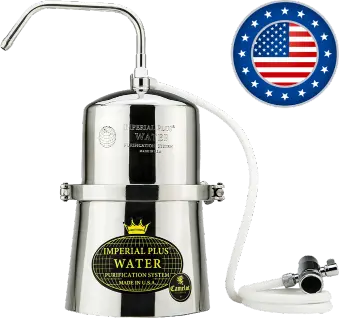
More than 24,500 chemicals were found in bottled water.
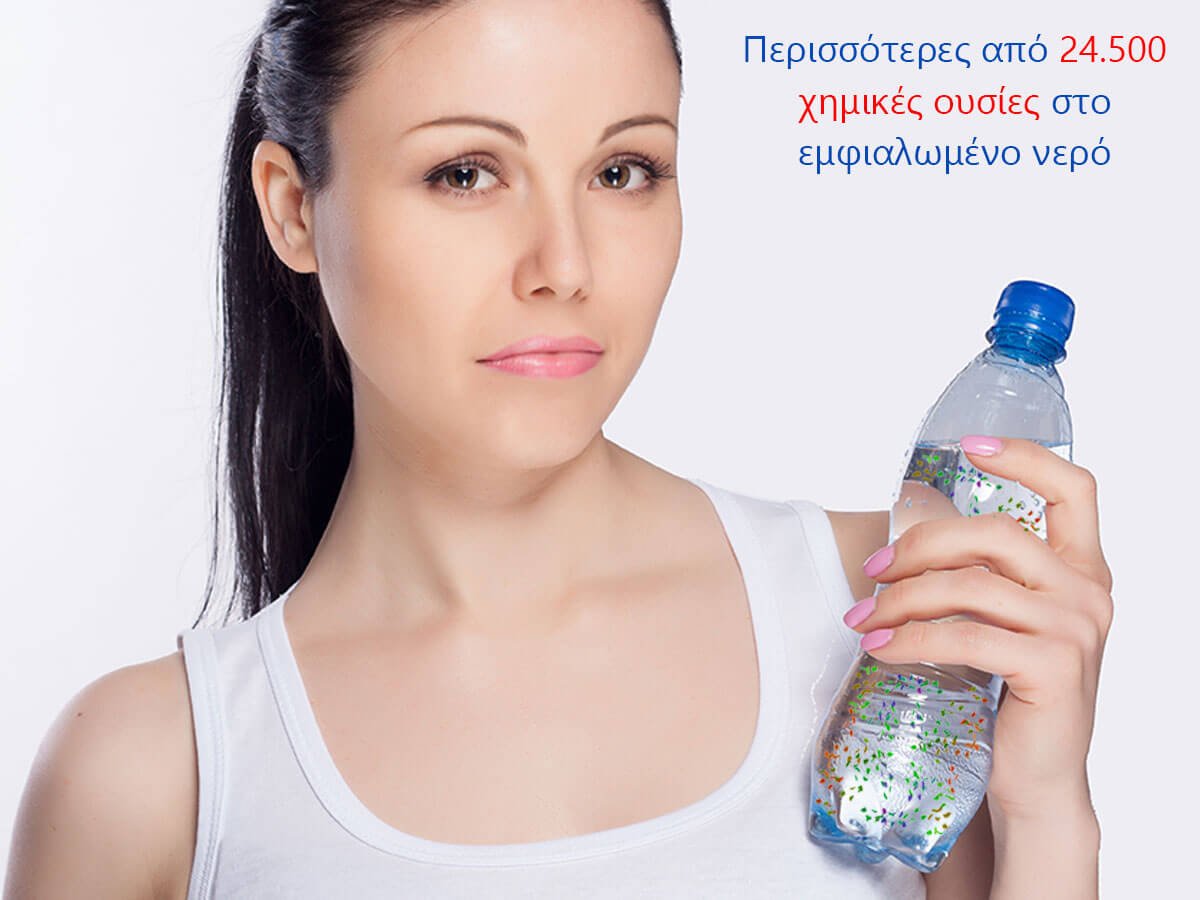
The bottled water industry often promotes an image of purity and safety, but recent studies reveal a disturbing reality. Research has shown that bottled water may contain over 24,500 different chemicals. These substances include endocrine disruptors, industrial chemicals, pesticides, heavy metals, microplastics, and many more.
Discovery of Chemical Substances
A study from the University of Frankfurt revealed the presence of these substances in brands of bottled water. The research used various detection methods to isolate the different chemicals, primarily identifying two categories of chemicals: maleic and fumaric salts, which are known endocrine disruptors (Aquafil) (Clarity Perfect Water).
Health Effects
The consumption of these chemical substances can have serious health implications, particularly for young children, women of reproductive age, and pregnant women. These chemicals are associated with developmental delays, early puberty, premature birth, infertility, and early menopause. Additionally, exposure to these substances can lead to diabetes, heart disease, and certain forms of cancer (Aquafil) (Clarity Perfect Water).
Quality and Pollution
The bottled water industry is not required to inform consumers about the presence of contaminants, the source of the water, or the treatment methods used. This creates a double standard compared to tap water, which is subject to stricter regulations and is required to inform the public about water quality (EWG).
Environmental Impacts
In addition to health risks, the bottled water industry has significant environmental impacts. The production of plastic bottles requires a huge amount of oil and energy, while the recycling of these bottles is minimal. The majority of plastic bottles end up in landfills, are burned, or pollute water resources (EWG).
Suggestions and Solutions
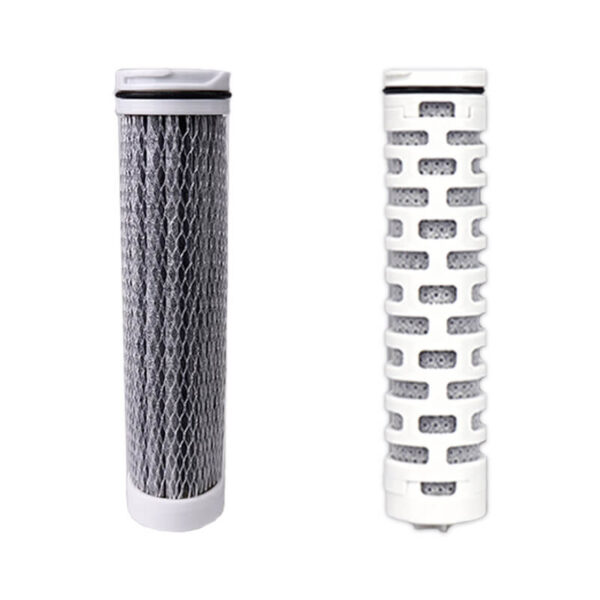
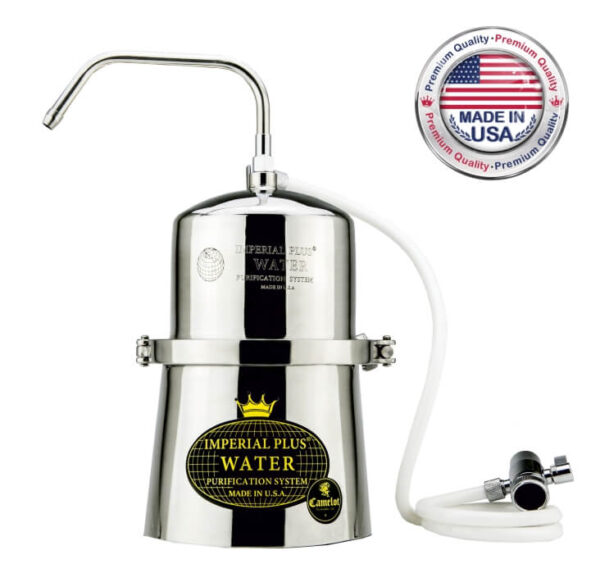
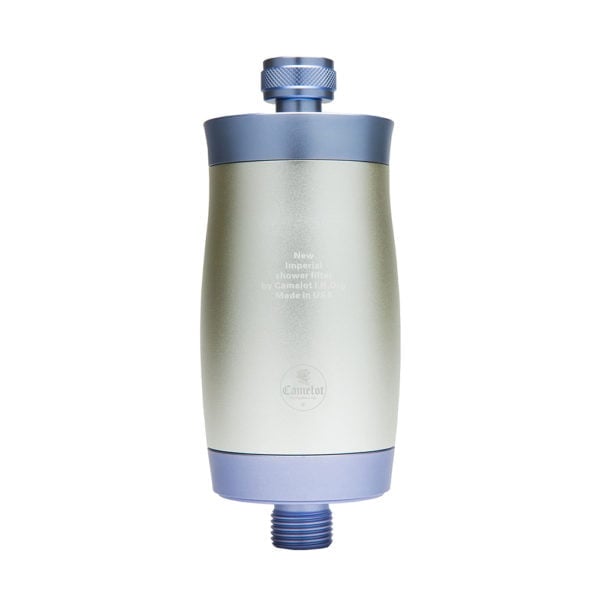
To reduce risks, consumers are advised to use reusable bottles made of glass or stainless steel and to prefer filtered certified tap water. The use of certified water filters removes all contaminants and provides clean and safe water. Additionally, stricter regulation and transparency from bottled water companies are required so that consumers are better informed about the quality of the water they purchase (Aquafil) (Clarity Perfect Water).
Conclusion
The discovery that bottled water may contain more than 24,500 chemicals is a significant wake-up call for consumer health and safety. While the bottled water industry continues to promote an image of purity, consumers need to be informed about potential risks and consider alternatives such as filtered tap water. Increased awareness and regulation can help ensure the quality of drinking water and protect health and the environment.