

Why we should never drink water from a plastic bottle again
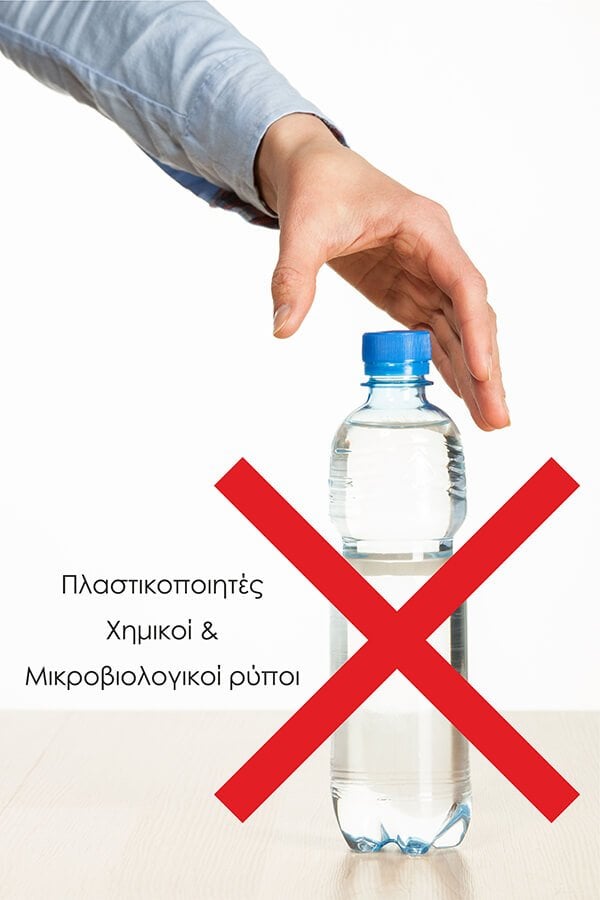
Potentially harmful chemicals can leach from the plastic bottle into the water according to existing data.
Phthalates, also known as plasticizers, are a category of synthetic chemical substances used to make water bottles and other plastics more durable and flexible. There have been warnings against exposure to phthalates because these chemicals affect a person’s endocrine system, which is the system that produces and releases hormones.
Some studies have found that plastic water bottles alone do not have significant enough levels of contamination to harm those who drink bottled water. However, many experts told HuffPost that because most people are already exposed to endocrine-disrupting chemicals from many other sources every day – from household cleaning products to certain fragrances – it may be wise to limit additional exposure to such chemicals where possible.
Such chemicals have been linked to a range of reproductive, immunological, and neurological disorders, such as gestational diabetes, ADHD, fertility problems, liver disease in children, asthma, and an increased risk of breast cancer.
The U.S. Environmental Protection Agency (EPA) is quite concerned about these potential impacts, resulting in the designation last month of another common class of chemicals known to cause endocrine disruption, referred to as PFAS, as “hazardous substances.” These are colloquially known as “forever chemicals” because they can remain in the environment for decades.
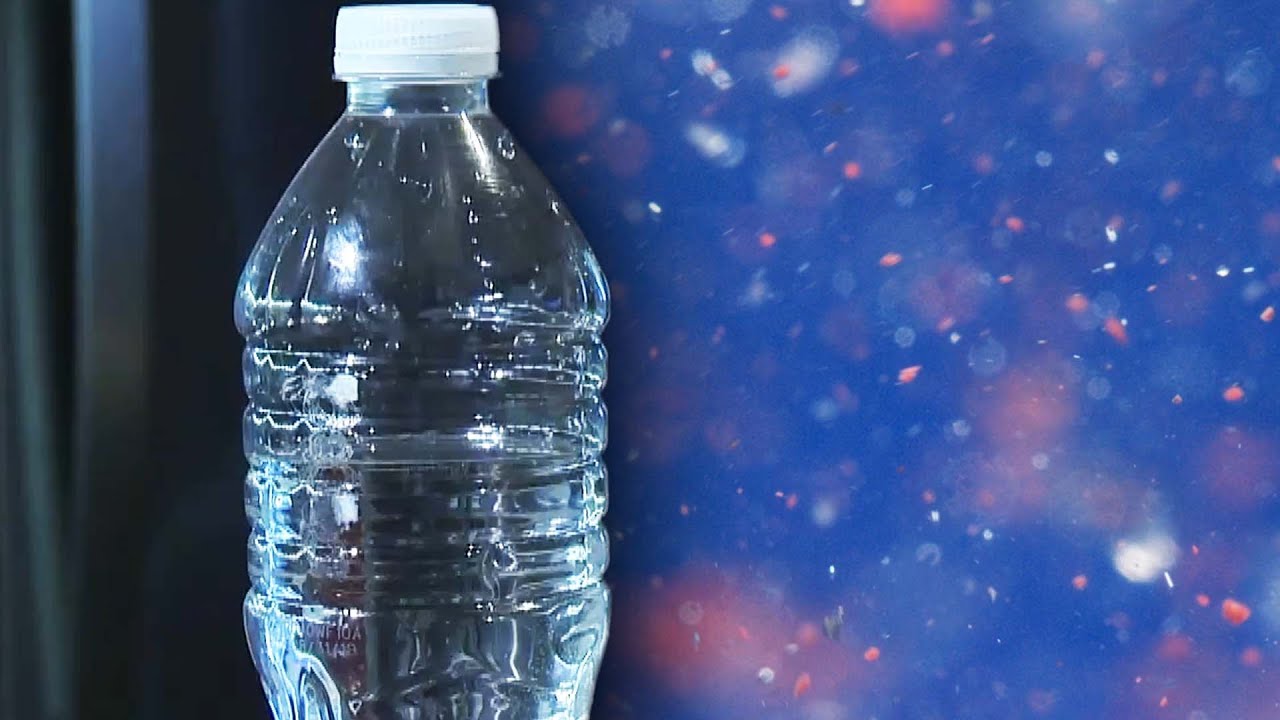
Although phthalates and other endocrine-disrupting chemicals are usually not detected in water at its source, the plastic surrounding bottled water can contaminate the liquid over time. The levels of contamination vary, but experts say that contamination from plastic bottles into liquids is primarily exacerbated by two factors: the time the plastic and the drink (or food) are in direct contact and whether the plastic has been heated while touching the food or liquid.
Bottled water is concerning from both of the above perspectives because it is often stored for extended periods and then (found) in transportation methods where temperatures can be high.
Staying in such conditions for months or even years before reaching the consumer, (this) is a very long time for such a small amount of water to be surrounded by such hot plastic,” says Dr. Nathaniel DeNicola, a physician specializing in obstetrics and gynecology and an environmental health expert for the American College of Obstetricians and Gynecologists, to HuffPost.
Emily Barrett, an associate professor of biostatistics and epidemiology at Rutgers School of Public Health, adds that the reason phthalate compounds are separated from plastics initially is because they are not part of the plastic matrix itself but are “loosely” connected to it.
When exposed to heat, chemical bonds can ‘break’ relatively easily, allowing phthalate compounds to end up in the food or beverages contained in this plastic packaging,” he says, noting that such contamination can also occur during production stages when the bottled water comes into contact with PVC — one of the most widely produced plastics in the world, known for its rigidity — and other plastics.
It is also worth considering how much plastic surrounds such a relatively small amount of water.
Water bottles can be ‘prone’ to contamination due to prolonged direct contact between the water and the plastic packaging materials and the large surface area of contact,” says Dr. Maida Galvez, a professor of environmental medicine and public health at the Icahn School of Medicine at Mount Sinai Hospital in New York.
Metals, bacteria, plastic pieces, and others have been found in bottled water in the past. Beyond the potential exposure to such chemicals, many studies have found other substances in bottled water.
Studies have found traces of pharmaceuticals, microplastics, bacteria, and heavy metals,” explains Emily Barrett. Indeed, a study published in the Journal of Environmental Health discovered heavy metals such as silver, barium, cobalt, chromium, copper, nickel, lead, and zinc in many popular brands of bottled water.
Additionally, research published in 2019 by the National Library of Medicine also found toxins, bacteria, fungi, and “microbiological contaminants” in bottled water that are responsible for various diseases in humans, most commonly gastroenteritis or stomach flu.
The study concluded that bottled water is often considered safe and sterile, “but the health risk should not be minimized [when] taking into account the microbial metabolic diversity and flexibility that enable various species to survive, even to multiply in the conditions provided by water from plastic bottles.
The Centers for Disease Control and Prevention have warned that “contaminated bottled water can harm our health, including causing gastrointestinal illnesses, reproductive problems, and neurological disorders.” They state that individuals with weakened immune systems “may be more likely to get sick from certain contaminants” and provide advice on what immunocompromised individuals should look for on bottled water labels to protect themselves from the microscopic parasite Cryptosporidium, also known as Crypto. The parasite is harmless to most consumers but could cause “chronic or severe illnesses and even life-threatening symptoms” in immunocompromised individuals.
Beyond concerns about bacteria, tests by Consumer Reports in 2020 found alarming levels of arsenic in some bottled water. A very small study from 2018 by Frontiers in Chemistry also found microplastics – tiny plastic fragments – in 93% of the 259 samples of bottled water analyzed. Some of these fragments were large enough to be visible without a magnifying glass or microscope.
And although microplastic particles are detected in many other places, Sherri Mason, author of the study in Frontiers in Chemistry and sustainability researcher at Penn State Behrend, reported to Time in 2019 that such chemicals are particularly abundant in bottled water. Besides the plastic bottle itself, she said, the act of bottling water can also cause “polypropylene shards” (used to make bottled water caps) to enter the contents of the bottle. She noted that microplastics have also been found in tap water, but they are “about twice as much” in bottled water.
Still:
Bottled water may lack essential natural minerals that are more commonly found in tap water…
And certainly plastics are harmful to the environment…
So, what can we do about this?
The size – if it exists – of the damage from bottled water varies from person to person, experts say. It is difficult to measure. Instead, they simply wish for consumers to be informed when making a decision.
To start somewhere, many studies also show that people do not drink enough water, and experts have emphasized that people need to drink much more water every day.
The first piece of advice I have (to give) is to drink water!” says Galvez. “Safe and healthy drinking water is vital for life.
If we want to reduce the consumption of bottled plastic water, here is what we need to consider:
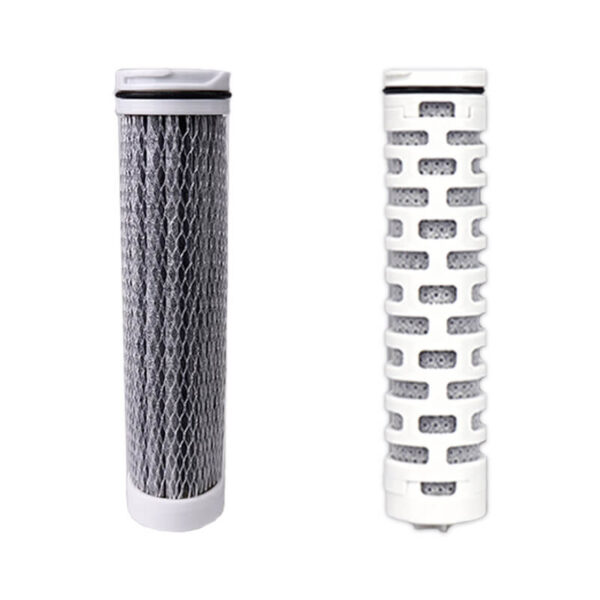
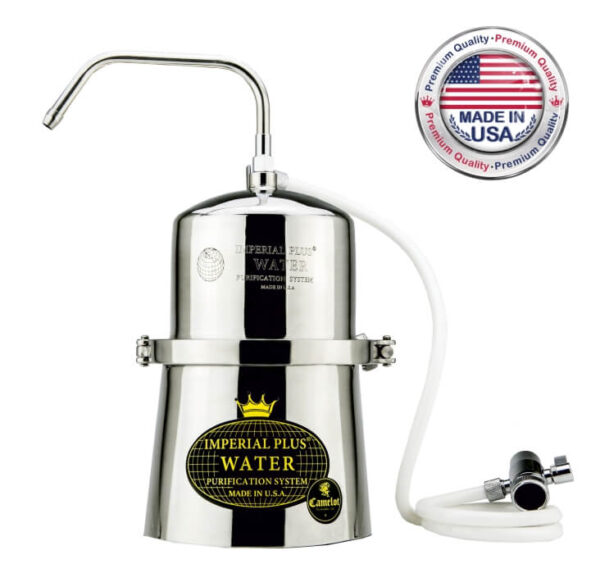
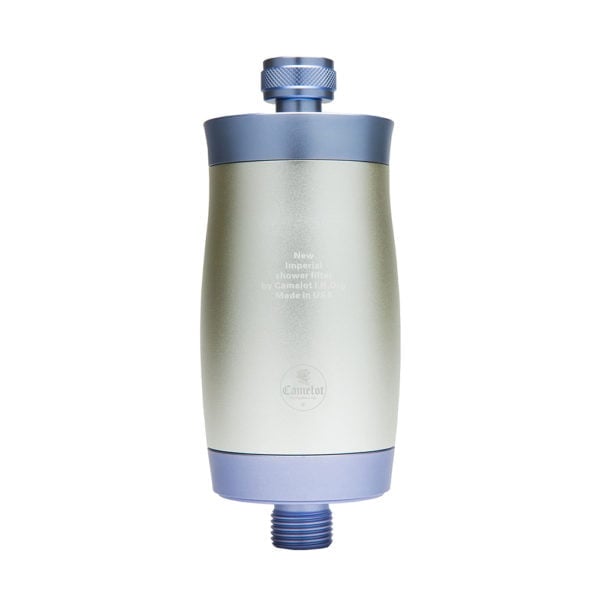
Let’s buy a water filter for the sink water.
Let’s look for alternative bottles (e.g. reusable water bottles made of stainless steel)
Source: huffingtonpost.gr