

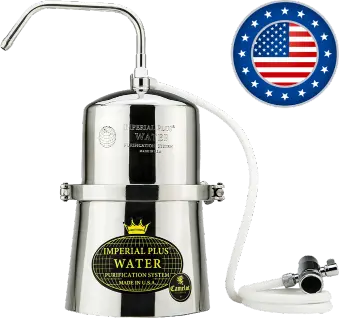
🔴 Is it true that tap water and bottled water are responsible for many diseases?
Our health directly depends on the quality of the water we consume daily. Tap water and bottled water are the main sources of water supply for modern humans. However, questions and concerns often arise regarding the safety and quality of these two types of water. Is it true that tap water and bottled water can cause many diseases? Let’s examine the main reasons why tap water can be problematic and dangerous, as well as the risks associated with bottled water.
💧 The Tap Water
🧪 Chlorine
Chlorine is widely used for the disinfection of tap water. Although it is effective in neutralizing pathogenic microorganisms, long-term consumption can cause health problems. Chlorination of water creates chlorine byproducts, such as trihalomethanes (THMs), which have been associated with an increased risk of cancer and other chronic diseases.
⚙️ Heavy Metals
The tap water contains heavy metals such as lead, iron, and others, which come from old pipes or industrial waste. Consuming water with high concentrations of heavy metals can cause serious damage to the nervous system, the kidneys, and the liver, as well as other chronic diseases.
🦠 Pathogenic Microorganisms
Despite disinfection, there is always the risk of the presence of pathogenic microorganisms such as bacteria, viruses, and parasites in tap water. If disinfection is insufficient or the water supply network has cracks, these microorganisms can cause gastrointestinal infections and other diseases.
🧬 Other Chemical Substances
The tap water may contain other chemicals, such as pesticides and industrial chemicals, which enter the aquifer through agricultural and industrial activities. Long-term exposure to these substances can have serious health effects, including endocrine system disorders and increased cancer risk.
📚 Evidence
It has been fully proven by scientific studies that water is responsible for 80% of all diseases. If the water is not clean and filtered, all the dangerous elements present in it, such as lead, asbestos fibers, chemical pesticides, chlorine, nitrates, arsenic, hexavalent chromium, etc., will cause various diseases.
🧴The Bottled Water
🧫 Plasticizers
The plastic bottles used for bottled water contain thousands of plasticizers such as bisphenol A (BPA) and phthalate esters. These chemicals leach into the water, especially when the bottles are exposed to high temperatures. Plasticizers have been linked to endocrine system disruptions, reproductive issues, and increased cancer risk.
🚫 Pathogenic Microorganisms
In bottled water, research has found that 33% contain pathogenic microorganisms. The bottles state to store in temperatures below 18ºC in a shaded place. However, they are transported in open trucks at high temperatures. Therefore, the water they sell is contaminated and dangerous. The microorganisms in bottled water can cause gastrointestinal infections and other diseases.
🔍 Insufficient Quality Control
The quality of bottled water can vary significantly from brand to brand and from country to country. In some cases, bottled water may not be subject to the same strict regulations as tap water, which can lead to deficiencies in quality and safety.
☀️ Maintenance Conditions
The storage conditions of bottled water affect its quality. If the bottles are stored under inappropriate conditions, such as is often the case in high temperatures or under direct sunlight, this can accelerate the breakdown of plastics and increase the presence of harmful substances in the water. Additionally, poor storage conditions can promote the growth of pathogenic microorganisms.
📉 Evidence
According to research, 25 million people die each year from bottled water because most of it contains plasticizers, chemical pollutants, bisphenol A, pathogenic microorganisms, and generally because this water is already contaminated due, many times, to high temperatures and long storage periods.
✅ Conclusion
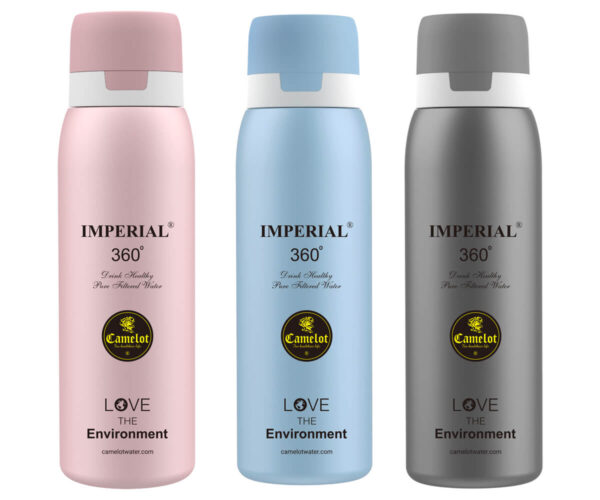
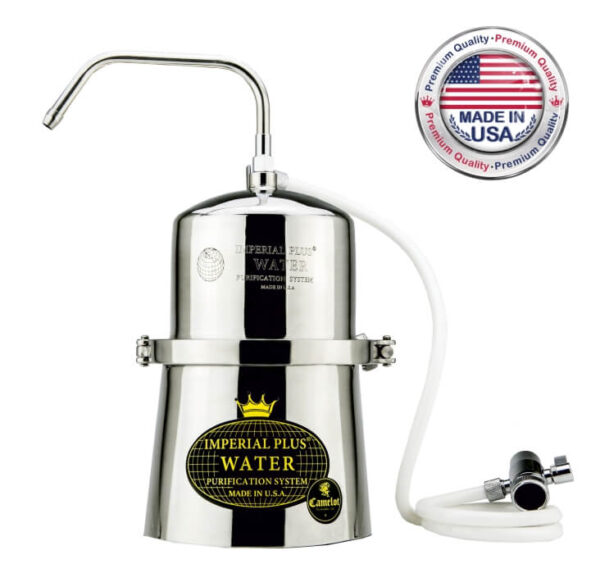
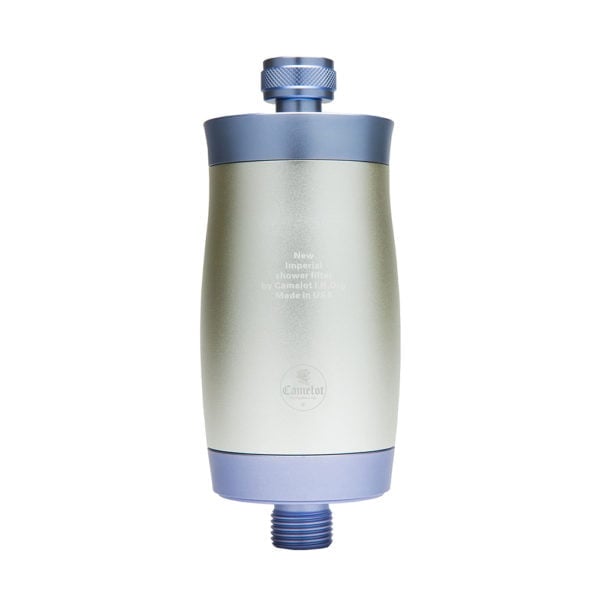
It is true that both tap water and bottled water can be responsible for various diseases due to the presence of chemical substances, heavy metals, and pathogenic microorganisms. The consumption of high-quality water is vital for ensuring our health. The use of certified water filters such as Camelot® helps in eliminating the risks from harmful substances and microorganisms in tap water and bottled.
📚 For more information, you can refer to the following websites:
- World Health Organization (WHO)
- Centers for Disease Control and Prevention (CDC)
- Environmental Working Group (EWG)
- National Sanitation Foundation (NSF)
🔎 Knowledge and information about the quality of the water we consume is the first step towards protecting our health.
💧 Clean – healthy water means prevention and good health.