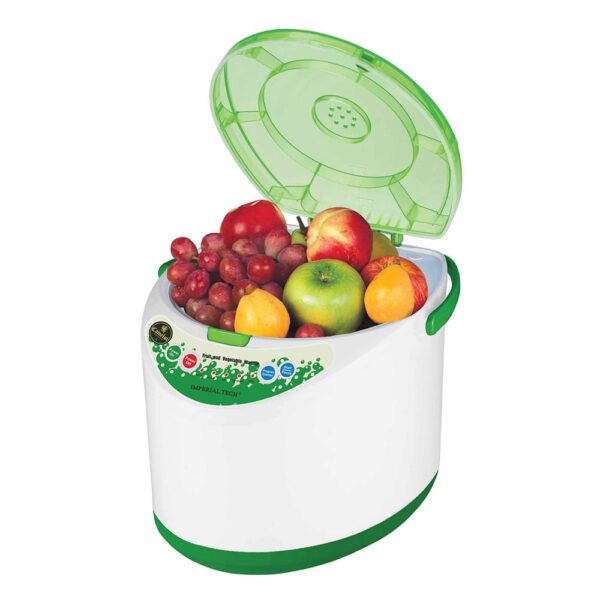


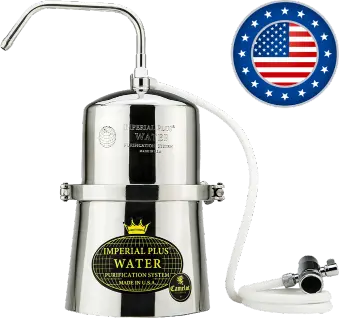
🥦 Should we wash our food (fruits, vegetables, meat, fish, etc.) with clean filtered water?
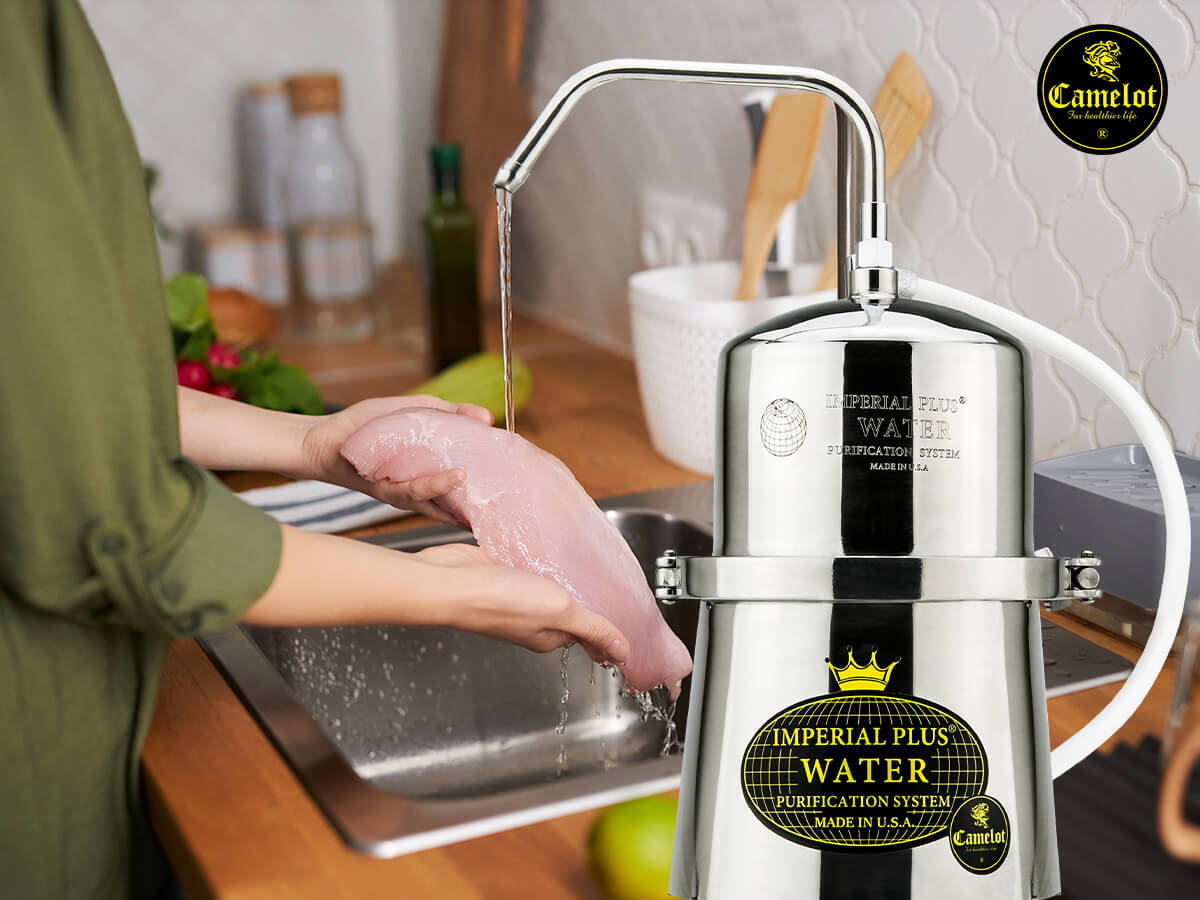

Cleaning food with filtered water is a crucial step for protecting our health. Fruits, vegetables, meat, and fish are foods we consume daily, and their proper washing can prevent the intake of harmful substances and microorganisms. A key factor to consider is the quality of the water we use for washing them.
💧 Reasons for using filtered water:
🧪 Removal of Pollutants and Microorganisms
Foods, especially fruits and vegetables, may contain:
- Pesticide residues
- Heavy metals
- Chemicals from their cultivation and transportation
The filtered water, free from these elements, ensures the effective removal of them, reducing the likelihood of consuming these hazardous substances.
⚠️ Reduction of Chlorine By-Products
In case we use chlorinated water for washing our food, large quantities of chlorine by-products are absorbed by them.
Chlorine by-products, such as carcinogenic trihalomethanes, are formed when chlorine reacts with organic substances in water. Long-term consumption of these substances has serious health implications, such as increased risk of cancer and other chronic diseases.
👃 Improvement of Taste and Smell
Filtered water significantly improves the taste and smell of our food.
The chlorine and other chemicals found in tap water alter the natural taste of fruits, vegetables, meat, and fish, making them less appealing for consumption.
🛡️ Health and Safety
The use of clean, filtered water for washing food can prevent cross-contamination from bacteria and pathogenic microorganisms that may be present in tap water.
The certified water filtration devices effectively remove microorganisms that can cause diseases, ensuring that the food we consume is safe.
🧬 Special Reference to Chlorine By-products
As mentioned earlier, the chlorine used for disinfection of drinking water can form carcinogenic trihalomethanes.
These substances are created when chlorine reacts with organic materials present in the water. Trihalomethanes have been associated with an increased risk of developing various forms of cancer, such as:
- Liver cancer
- Kidney cancer
- Bladder cancer
- Colon cancer
The use of filtered water for washing food reduces exposure to these hazardous substances. Especially in the case of sensitive population groups, such as:
- Children
- Pregnant women
- Elderly
protection from the intake of trihalomethanes is extremely important for preventing long-term health effects.
✅ Conclusion
Ensures the:
- Removal of harmful chemicals
- Avoidance of chlorine by-products
- Removal of microorganisms
- Improvement of taste and smell of food
- Safety in our daily diet
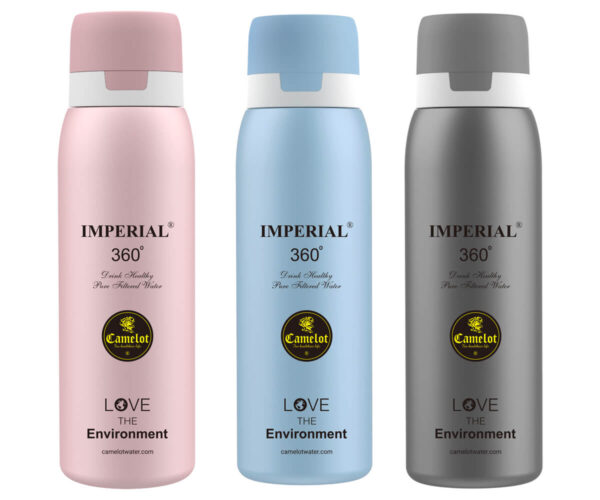
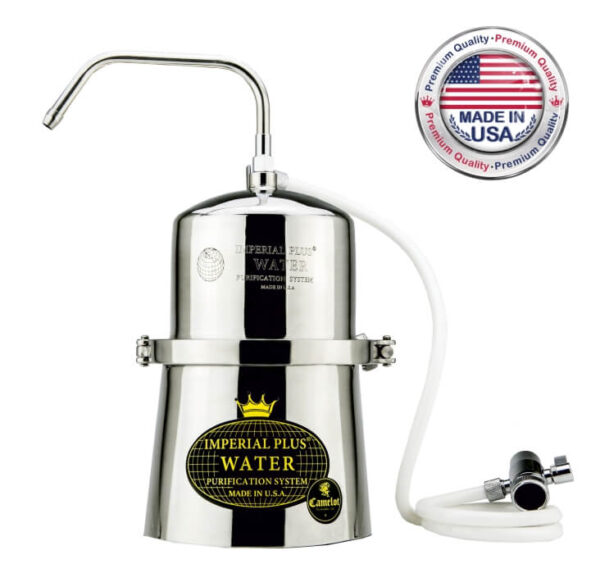
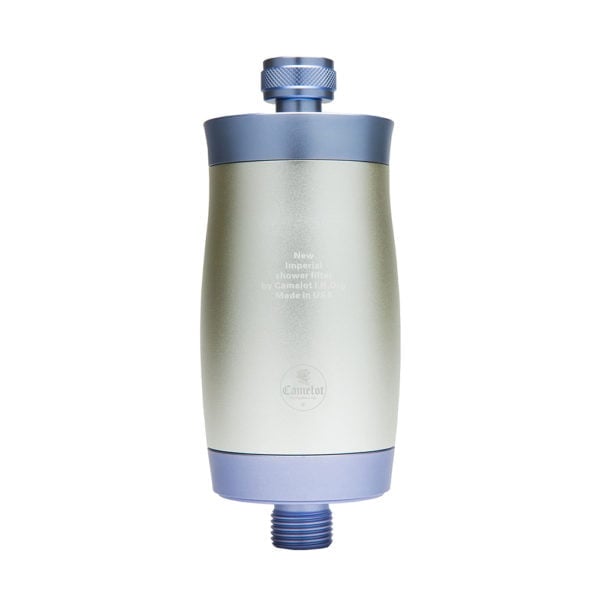
The use of filtered water from certified filters such as those from Camelot® for washing food is not just an optional practice, but a essential process for ensuring our health.
By using filtered water, we can be sure that the food we consume is clean and safe, contributing to our overall health and well-being.
⚠️ Otherwise, if we wash them with chlorinated water, large amounts of chlorine by-products will be absorbed by the food — so we will consume them in large quantities.
⚠️ In chlorinated water, carcinogenic trihalomethanes are formed, which we take in during the use of chlorinated water.
📚 Sources
World Health Organization (WHO) – Guidelines for Drinking-Water Quality
U.S. Environmental Protection Agency (EPA) – Disinfection Byproducts and Health Effects
European Food Safety Authority (EFSA) – Chemical Contaminants in the Food Chain
Camelot® – Certified Water Filters for Daily Use