

Revealing research: What water do we drink in Greece (TA NEA)
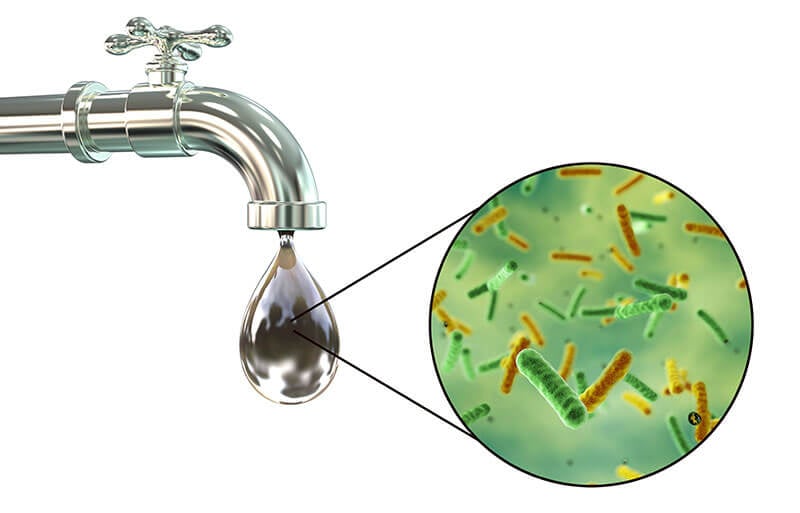
An important and particularly useful study on the quality of water we consume in Greece was conducted by the Hellenic Center for Ecological Research. “How many of us know what we are drinking? And how many can understand what is written on the label of a bottled water, as well as whether we have made the best choice of water?” is mentioned in the introduction of the study, as the authors attempt to provide complete information on this issue, and, mainly, advice on what consumers need to know to protect themselves.
The scientists of PAKOE also conducted sampling and microbiological analyses on the most popular bottled waters available on the market and present their findings.
Among the findings of the study on water quality, the following are mentioned:
-There is no legislation that specifies what must be stated on the label.
-The physicochemical characteristics are not mentioned.
-The average of the sampling measurements from the previous year is not stated, but rather from three and five years ago.
-Bottled waters with anonymous labels are circulating in islands and outside Attica.
-In storage areas, the temperature is not maintained below 18° C. They are stored at ambient temperatures of 30° and 38° Celsius.
-In many supermarkets, the storage areas are close to refrigerators and cooling machines, resulting in the water being heated.
Details of the research:
They are undoubtedly essential in the summer: a bottle of bottled water in hand, whether we are walking on the hot streets of the city or sunbathing on the beach.
The consumption of bottled water is gaining more and more followers in our country, although we are still well below the average of the rest of Europe.
It is estimated that the average European consumes 80-100 liters of bottled water per year, while the… champions, the Italians, reach 150 liters.
How many of us, however, know the quality of the water we drink? And how many can understand what is written on the label of a bottled water, as well as whether we have made the best choice of water?
Not all waters are the same
First of all, we must read the label to know the type of bottled water we are drinking, as not all are the same. We are not only referring to the quality of the water that makes them stand out. There are three categories recognized by the European Union: table water, natural mineral water, and spring water. The label is not allowed to mention any other designation of the water (e.g., therapeutic, healing, natural water, mineral water, or natural mineral spring water).
What are the characteristics of the water in the above three categories?
Table water
According to the legislation, table water can be of any origin (e.g., from a well, from a lake, from a river, or even desalinated seawater).
Any disinfection process deemed necessary can be applied to table water in order for its composition to comply with the community directive (98/83) on drinking water. Practically, the composition of table water and tap water is the same. In simple terms, they are waters with the same quality characteristics, with the difference that table water is bottled, while tap water is running.
Natural mineral water
Natural mineral water has exclusively underground origin and is bottled on-site at its source (usually a borehole). Community guidelines prohibit any processing or disinfection of natural mineral water, unlike table water. The underground origin of natural mineral water, as well as the prohibition of any activity at a satisfactory distance around the borehole (the distance depends on the type of rocks in the area), ensures its protection from any microbial load.
Spring water
To understand what “spring water” means, we need to… remove the image of a spring from our minds and think of it as an intermediate category between table water and natural mineral water. Spring water resembles natural mineral water in that it definitely has underground origins, a stable composition, undergoes no disinfection process, and is always bottled at its source. However, it differs from natural mineral water in that its physicochemical parameters (its composition) do not follow those of natural mineral water, but rather those of table water, that is, common drinking water.
Sparkling water
Sparkling water contains carbon dioxide of either natural or technical origin. Sparkling water can also be mineral or table water.
On the back of a bottled water label, its physicochemical analysis is stated, which depends on the rocks through which the water passes and which enrich it with organic and inorganic components.
If it is table water, then the analysis will refer to the average of the analyses from four seasons, since its physicochemical composition is affected by various climatic factors (e.g., rainfall, which alters the water level). If it is natural mineral water, then the analysis will be from a specific date, which is indicated on the label.
How clean is the water?
In practice, water quality also depends on the concentration of nitrates among other factors. The lower the concentration of nitrates, the fewer pollutants the water carries, while the threshold above which the concentration of nitrates poses a health threat is 50 mg/l. In any case, most bottled waters (natural mineral and table waters) have a nitrate concentration of less than 5 mg/l. Additionally, the maximum allowable limit for nitrites in natural mineral waters is 0.1 mg/l, while for table waters it is 0.50 mg/l. As for ammonium, the maximum allowable value is 0.50 mg/l, according to Community Directive 98/83. Characteristics of bottled water
Water is generally examined for its physicochemical and biological characteristics. The analytical methods used to examine the above characteristics must be approved by the competent authorities of the country where the water is used.
Physicochemical characteristics – Physical characteristics
The main physical characteristics for which water quality is examined are: appearance, color, odor, taste, temperature, and clarity. Color and clarity can be measured with special instruments. The determination of appearance, odor, and taste depends on the perception of human senses and judgment. In general methods, the test for appearance is not included, while in approved methods, odor and taste are examined only from a qualitative perspective.
In general methods, a qualitative description of odor is mentioned, as well as a technique by which a threshold number for odor is achieved. A similar test can also be achieved for a threshold number for taste.
In some cases, all tests are very useful when it is likely to have water in which the odor is more apparent than the taste or vice versa, with taste being more intense than odor.
Chemical characteristics Main metallic characteristics.
Most natural waters contain primarily four cations: Calcium, magnesium, sodium, and potassium, as well as four main anions: bicarbonates, sulfates, chlorides, nitrates, and their salts. Electrical conductivity and pH are also mentioned.
Organic and inorganic ingredients
The main organic components identified are ammonia nitrogen (free ammonia), protein nitrogen, nitrate nitrogen, nitrite nitrogen, dissolved oxygen, the distillate of chlorofluorocarbon, the value of the salt of permanganic acid, and ammonium sulfate. All of these affect the quality of the water we consume.
Metals
In addition to the main cations present in the waters, e.g., Ca, Mg, Na, and K, the following metals may also be found: Copper, Iron, Tin, and Magnesium. Aluminum is also present in small amounts, which may form aggregates in rare cases, such as aluminum sulfate and Chromium.
Biological characteristics
The biological examination of water focuses on certain types of bacteria, fungi, unicellular organisms, and yeasts, as well as the formation of certain types of worms, insects, and shellfish. Generally, water that comes from underground sources should be free from biological contamination, while where contamination occurs, there is extensive growth of filamentous bacteria such as Leptothrix and Reggiatoa, clearly affecting water quality.
For routine checks, direct investigation for the presence of a specific pathogenic bacterium is not practical. Water is examined for the presence of contamination from materials of human or animal origin. Attention should be paid to the types of bacteria, specifically Escherichia coli (and other members of the coliform group), clostridium welchii, and sometimes sediment streptococci.
Coliforms and microorganisms in water
At least one in ten bottled waters contains health-hazardous microorganisms, degrading the quality of the water we consume. A key reason for the problematic quality is the unacceptable storage conditions. In studies conducted by the Universities of Thrace and Patras, which were carried out in phases from 1995 to 2003 and from 2004 to 2008, approximately 1,700 bottles of commercially available water were examined, revealing the presence of Pseudomonas, coliforms, and colonies of microorganisms that can cause infections in the urinary and respiratory systems, gastroenteritis, and other health issues.
Although the number of microorganisms at the source of bottled water is usually low, the studies reported an increase in this number after its distribution and storage.
According to the current legislation on the microbiological quality of bottled water, the limits for the presence of E. coli, Pseudomonas aeruginosa, and enterococci are zero, while for the colonies of microorganisms, the limit is 100 per milliliter at 22 degrees Celsius and 16.9% above 100 at 37 degrees Celsius, quantities that exceed the limits of Greek legislation for the microbiological quality of bottled water.
Regarding the results of the eight-year research, the presence of E. coli and enterococci found in the samples is associated with contamination from feces, while the bacterium Favobacterium indicates that the water contains soil. To maintain the quality of bottled water at desired levels, it should be stored in a dark and cool place with a temperature below 18 degrees Celsius. 4 for the Environment
Harmful substances detected in water
Pesticides and phytoprotective substances, polycyclic hydrocarbons, toxic metals, dissolved organic carbon, phosphoric nitrates, chlorinated and ammonium ions, total chromium, copper. Risks from plastic
Mostly, bottled water is stored in plastic bottles made of polyethylene terephthalate (PET). PET is made from fossil fuels (gas and oil). Research has shown that the chemicals in PET leach into the water. The University of Heidelberg found that the longer water remains in the bottle, the higher the concentration of harmful chemicals in the water. Some antimony compounds, because they are used as a catalyst in the production of plastics for use in packaging water, soft drinks, and juices (PET), may be sources of exposure to antimony.
Ingredients and maximum acceptable limits
Ingredients that are naturally present in natural mineral waters and maximum acceptable limit values (mg/l) whose exceedance may pose a risk to public health (Directive 80/777/EEC): Antimony 0.0050, Arsenic 0.010 (total), Barium 1.0, Boron not specified, Cadmium 0.003, Chromium 0.050, Copper 1.0, Cyanides 0.070, Fluorides 5.0, Lead 0.010, Manganese 0.50, Mercury 0.0010, Nickel 0.020, Nitrates 50, Nitrites 0.1, Selenium 0.010.
What consumers need to know about water quality – how to protect themselves!
The consumer society we live in has imposed its establishment of largely directed information with the aim of its exorbitant and uncontrolled enrichment, and consequently has led to the creation of a new generation that walks around with a plastic bottle in hand from morning until night. Additionally, in the heart of summer, one walks the streets of the city, the concrete is boiling, and exhausted, with 50 cents, buys a small bottle of water to temporarily quench their thirst. The flask or “thermos” with tap water that one used to take to the beach has been permanently replaced by the plastic bottle, while even in the cheap neighborhood tavern that one visits once a month, the traditional glass jug has now been replaced with a plastic bottle of bottled water, which the company providing it has ensured is visually appealing (light blue, light green, or even deep blue color, as well as a carefully designed shape) so as to give the illusion of luxury! Do we really know what water we are drinking? Can we “decode” what is written on the label of the bottled water we purchased? What water did we buy and give to our thirsty child?
On the back of a bottled water label, its physicochemical analysis is stated, which depends on the rocks through which it has passed and which enrich it with organic and inorganic components. In the case of table water, the analysis refers to the average of the analyses from four seasons, given that its physicochemical composition is affected by various climatic factors (e.g., rainfall that alters the water level). In the case of natural mineral water, the analysis will be from a specific date, which is indicated on the label.
What we should pay attention to when buying bottled water
Bottled waters must obligatorily indicate the following information on their packaging:
• Product name.
• Source name of water abstraction.
• Exploitation site of the source.
• Chemical analysis of the composition.
• Processes that may occur during the bottling process.
• Content quantity (volume).
• Minimum availability date (day/month/year).
• Production batch.
• Conditions for maintenance and use of the product.
• Name or trade name of the manufacturer. The labeling of natural mineral waters or spring waters must include the following mandatory indications:
1. The report of the analytical composition with a listing of the characteristic elements.
2. The place where the exploitation of the source takes place and its name.
3.The indication of possible treatments. The separation of iron, manganese, and sulfur compounds as well as arsenic from certain natural mineral waters through treatment with air enriched with ozone, provided that this treatment does not result in altering the composition of this water regarding its natural constituents to which it owes its properties. A name of a settlement or location may be included in the text of the trade name on the condition that the natural mineral water comes from a source located in the settlement or location.
Despite the fact that laws require bottling companies to clarify where they source their water, almost none do so.
In the 2011 work of the Environmental Working Group, it was found that out of the 9 best bottling companies in the world, only one (Nestle’s Pure Life Purified Water) described the exact geographical location from where it sources its water and the exact treatment process.
Indications that are prohibited from being stated on the packaging:
• Those that attribute therapeutic properties to water.
• Phrases related to the effect of water on the functions of the human body, such as “Enhances digestion” or “Suitable for diet.
• Expressions that imply a characteristic that does not exist, aiming to mislead the consumer audience.
• Those that attribute therapeutic properties to water. Phrases that describe the effect of water on the functioning processes of the human body, such as “enhances digestion,” “suitable for weight loss.
What to do to check water quality
• Do not share the bottle with another person. It is better to fill two glasses with bottled water than to drink directly from the bottle.
• Do not fill the bottle with tap water when you have consumed all the contents, as bacteria may have developed. It is better to buy a new bottle of bottled water.
• If you cannot place the bottle in the refrigerator, store it in a cool place away from sunlight and any source of contamination. If you have bottles in some storage area, wipe the rim well before opening and then consume the contents.
• Do not buy bottles that are not sealed and examine them thoroughly, both inside and out. Check if the shape has been altered or if small objects are floating. Report anything unusual you notice regarding both the packaging and the contents to your local health authorities.
• Do not be misled by the labels and pay particular attention to the bottling and expiration dates, the chemical analysis, the contact phone number of the company, the source location of the water, and the type of water.
WHAT ARE THE MAIN INGREDIENTS OF NATURAL MINERAL WATER THAT MUST BE LISTED ON THE LABEL – WHAT DO THEY OFFER TO OUR BODY
Na+ Sodium: It is one of the most important electrolytes that contributes to the body’s fluid balance, while also participating in muscle contraction. However, excessive sodium consumption is associated with hypertension, for which avoiding it is recommended. In any natural mineral water with a sodium content of less than 10 mg/l, it is allowed to state on the label that “it is suitable for a low-sodium diet.
K+ Potassium: It is essential for regulating cell hydration and maintaining fluid balance in our body. It also contributes to the transmission of nerve impulses (signals) between neurons, as well as muscle contraction.
Ca++ Calcium: It is one of the most important minerals, as it is a key structural component of bones and teeth. At the same time, it participates in muscle function and in the transmission of signals between nerves. The calcium contained in water has good bioavailability (meaning it is fully utilized by our body) and can contribute to the overall daily intake of calcium.
Mg++ Magnesium: It contributes to the proper functioning of muscles and nerves, while together with calcium, it helps in the better functioning of the heart. At high concentrations, magnesium has a laxative and diuretic effect.
HCO3– Bicarbonate: It helps maintain the acidity of the digestive system and facilitates digestion.
SO4– Sulfate ions: They are components of cell membranes, as well as many enzymes in our body.
Fe++ Iron: It is mainly found in waters that pass through rocks rich in iron salts. Iron is a component of red blood cells, responsible for transporting oxygen to tissues. Adequate intake contributes to the prevention of iron deficiency anemia.
SiO2 – Silicon dioxide: Contributes to the elasticity of arterial walls.
BOTTLED WATERS MUST BE MANDATORILY STATED
• Product selling name.
• Source name of water abstraction.
• Exploitation site of the source.
• Chemical analysis of the composition.
• Processes that may occur during the bottling process.
• Content quantity (volume).
• Minimum availability date (day/month/year).
• Production batch.
• Conditions for maintenance and use of the product.
• Manufacturer’s name or trade name.
SAMPLING, RESULTS AND REFLECTIONS
The PAKOE is opposed to the abuse of plastic bottles for water bottling. You should know that recent research conducted by the EU found that a dangerous chemical element called antimony resides within the plastic bottle. PAKOE recently conducted sampling and analyses in May, the results of which are shown in the table below. In all samples taken, the stated analysis date was far from the water’s expiration date. No sample showed the presence of coliform bacteria, so the examined bottled waters are microbiologically safe.
The professor of Environmental Chemistry and Director of the Pollution Control Research Team at AUTH, Mr. Fytians, adds: “Water pollution is not only caused by humans but also comes from rocks. Nitrates can be found along the riverbed, near lakes, and in agricultural areas.
BOTTLED WATER A FICTITIOUS NEED
In a world where consumerism and excess reign, it is completely natural for artificial needs to arise. The most common one is the well-known bottled water! According to statistics from 2004, a total of 154,000,000,000 liters of bottled water are consumed worldwide each year. Given today’s data, that previous number would be significantly higher, but we will stay there to discuss a few simple things that concern us all. Do you know how much tap water costs? (check the EYDAP bill to be convinced): 1 cubic meter, that is, 1000 liters, only €0.60! Bottled water? €1 per liter! That is 1700 times more expensive! The most absurd thing is that most of this water is consumed in areas where the quality of tap water is excellent, as it is crystal clear, drinkable, tested, and healthier!
Countries in the third world or those without access to clean drinking water do not consume bottled water… Do you see a paradox here? Bottled water, apart from being “canned,” no one knows if the seller has left it in the sun for a week, which is the worst thing for water quality. The image is familiar to us. Boxes of bottled water covered with tarpaulins and exposed to high summer temperatures for two or three days until they are put in the fridge, from where we will buy them to cool off. The problem is that exposure of bottled water to such high temperatures can increase its microbial load, so in the end, the water we drink changes from, for example, calcareous to “microbial.” Until systematic checks regarding the storage conditions of bottled waters at their distribution and sales points begin, the only thing we can do as consumers is to be careful about where we buy water. Additionally, it is also anti-ecological… Every time we open a bottle of water, we should also think about the following… – Every bottle of water, to be manufactured (the plastic part), uses oil. How much? Consider that only America consumes 26,000,000,000 liters of bottled water.
To package this, it requires 17,000,000 liters of oil. To transport the bottle to the final consumer (via ships, trucks, etc.), it again consumes oil. When the final consumer drinks their water, the bottle most often ends up in the trash and not in recycling. If it is not thrown in the trash, it will be thrown (by the irresponsible) into the environment, polluting it for at least over 300-400 years (that’s how long it takes for a water bottle to decompose). If it goes to the trash and is buried in a landfill, estimate at least 1000 years for it to decompose. If it is incinerated, then the material from which it is made (PET) releases chlorine gas and heavy metals, which are extremely toxic. If it ends up in recycling, in many countries it is not recycled there, but transported to other countries to be broken down (additional oil for transport). Water is essential for us to live. However, it does not need to be bottled. Bottled water is not a necessity. It is unnecessary. It is necessary when you are in an area where there is no running or drinkable water. In every other case, it is wasteful.
END OF PLASTIC WATER BOTTLES IN AMERICA AND EUROPE
The sale of plastic water bottles with a capacity of less than one liter has been banned by the municipal authority of Concord, Massachusetts. The law came into effect on the first day of 2013 after a three-year campaign to reduce plastic waste and simultaneously encourage the use of drinking water from the municipal water supply. Offenders face a fine of 20 euros, and if caught again, the fine is doubled. “For this campaign,” says Jean Hill, who led this initiative, “I was inspired by my grandson, who told me about an island of plastic waste in the Pacific Ocean,” concluding that “We need to get people away from the mindset of buying bottled water and think about all the other alternatives.” A similar ban has been implemented by the city of Bundanoon in Australia since 2009, while more than 90 American universities have banned the consumption of bottled water on their campuses.
At many of these universities, the movement for free tap water is so strong that all students and staff are provided with stainless steel bottles, which they can refill as many times as they want from the taps. A year ago, the agency managing the Grand Canyon National Park, one of the most significant attractions in the USA, banned the sale of bottled water within the park, as the empty plastic bottles discarded by visitors after use posed a threat to the environmental balance. The plastic bottles from the 4.5 million tourists who visit the Grand Canyon each year account for 20% of the park’s waste. According to research, Americans consume 50 billion small plastic water bottles annually.
WATER FROM THE FAUCET IN CALIFORNIA RESTAURANTS
In the battlefield, New York has entered with an initiative from the authorities to convince citizens that, on one hand, tap water is absolutely safe for their health. On the other hand, beyond the assurance of quality, they inform that plastic bottles of bottled water irreparably pollute the environment. The American metropolis has taken the baton from Salt Lake City, while in California, many restaurants are already serving tap water to their customers. The campaign has “crossed” the Atlantic and reached many European cities, starting with Rome, where the authorities, after 250,000 random checks on the water supply system, officially assured residents that the city’s water is good, fresh, and from 100 to 1,000 times cheaper than bottled water. The battle, at least for now, seems uneven, as more and more consumers, especially those following a healthy eating model, prefer bottled water. However, experts point out that this trend is disastrous for the environment. Consumers mistakenly believe that spring water is very clean and ignore that waters close to the ground often collect pollutants that are rarely found in municipal reservoirs.
MYTH THAT BOTTLED WATER IN GREECE IS TASTIER THAN TAP WATER
As for those who believe that bottled water is “more flavorful” and that tap water “smells,” a simple experiment proves that it is likely a case of self-suggestion. The initiative for the experiment was taken by the Italian environmental organization “Legambiente,” which asked residents of six different cities to distinguish tap water from bottled water by drinking from bottles. The sample showed that fewer than two out of ten could tell the difference. The Example of Australia Australia is the first country in the world that seems to have managed, at least to some extent, what other cities are still trying to do: to ban the sale of bottled water due to the pollution caused by plastic bottles in the environment. The Prime Minister of the largest Australian state, New South Wales, Nathan Rees, stated that he would gradually ban the use of bottled water in all ministries and government agencies. This is a significant step in the fight for water quality. Huge amounts of money are spent on the extraction, packaging, and transportation of bottled water. It is not only the pollution caused to the environment by plastic bottles but also the energy consumed in their production, Nathan Rees added.
The Federal Environment Minister, Peter Garrett, expressed his support for this measure and called on the other states of Australia to adopt it. This measure was adopted by the town of Bundanoon, located in New South Wales, which is the first town in the world to ban the use of bottled water. The town has a population of about 2,500 residents, and more than 350 voted at a public meeting for the ban on bottled water. Only two residents at the meeting voted against the ban, one of whom works for a water bottling company. The impetus for this ban was the announcement of plans by a company to bottle the area’s water in Sydney and resell it in the town.
The residents rose up, fearing the significant impact that plastic waste would have on the environment, and banned the use of bottled water.
THE FINDINGS OF PAKOE
What was found from the PACOE research in several companies, and for this reason classified the waters (see table on page 5), is that: There is no legislation that specifies what must be stated on the label. The physicochemical characteristics are not mentioned, which affects the final water quality. The average of the sampling measurements from the previous year is not stated, but rather from three and five years ago. Waters with anonymous labels are circulating on islands and outside Attica. In storage areas, the temperature of below 18° C is not maintained. They are stored at ambient temperatures of 30° and 38° Celsius. In many supermarkets, the storage areas are close to refrigerators and cooling machines, resulting in the water being heated.
WATER WHEN BOTTLED AGES AND CREATES BACTERIA
The prices of its availability are very high. The lack of continuous and strict controls endangers the health of consumers as well as the quality of water. The plastic packaging that ends up in the environment creates many pollution hotspots. We have communicated these findings repeatedly to the Ministry of Health, the Ministry of Development, and the companies, but “a voice crying out in the wilderness.” Three years ago, the issue reached the magistrate’s court where we went and submitted the data from our research, and since then, no response. Therefore, we say and declare from PAKOE that a long-term sustainable solution to ensure water quality and access to healthy water is not bottling and processing it, but protecting the “veins of the earth” from pollution.
The “REVENGE” OF WATER DUE TO THE MEMORY AND CONSCIOUSNESS IT POSSESSES!
An initially outlandish claim that, over the centuries, has been based on scientific data! See now why one day this liquid element will take revenge for the abuse it has suffered for decades at the hands of humans! Scientists have concluded that every property of water is unique and cannot be fully explained by the laws of physics. For example, no scientific community has yet explained why water is the only element on the entire planet that we encounter in three forms: liquid, solid, and gas. Additionally, a fundamental question remains to this day: why does water have the highest surface tension compared to all other liquid elements? The memory of water The unpredictable behavior of water has occupied scientists since the 1950s and 1960s. Unable to explain a series of unfortunate incidents, such as the deaths of scientists and secret agents after consuming water, they arrived at a hypothesis that initially seemed outlandish: water has memory.
With some currently unexplained mechanism, it manages to “store” information, much like a computer! In the following years, a series of experiments were conducted in various countries around the world that showed that water “receives” and “stores” every external influence. It “retains” and “remembers” anything that happens in the space surrounding it, and everything that comes into contact with water leaves its “mark” on it. The structure of water is influenced by our emotions Scientific studies have shown that water not only “remembers” but its structure is affected according to the emotions of people. The molecules of water take on different positions when interacting with positive emotions and different ones when interacting with negative ones. The structure of water is more important than its composition. Scientists have concluded that water molecules function like memory cells in which water records the entire history of its interaction with the outside world like a tape recorder. So imagine what this could mean for water quality.