

🫖 What applies to pitcher filters? Do they clean the water?
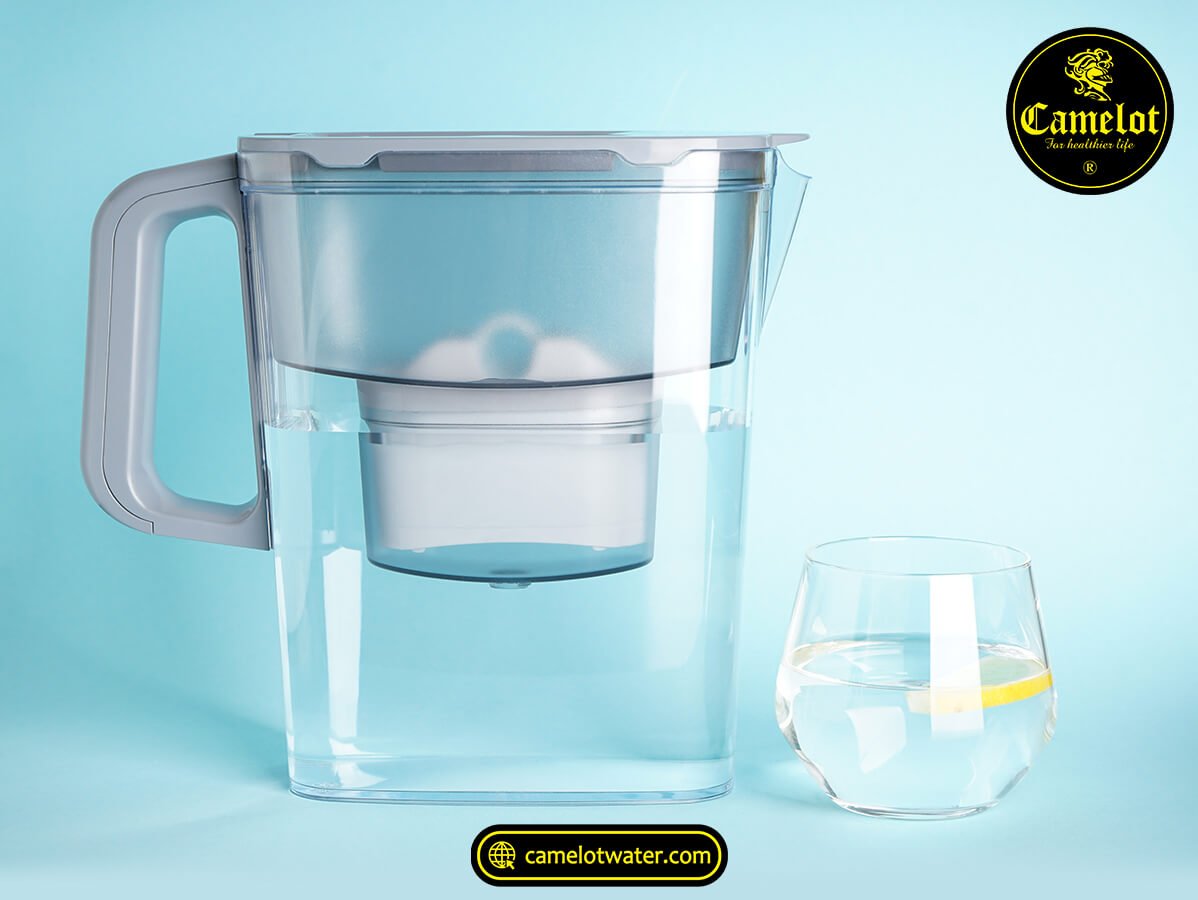
The pitcher filters are devices designed to somewhat improve the taste and smell of water by reducing some pollutants. These filters use a small amount of activated carbon and other secondary technologies to reduce some unwanted substances from the water. Their small market is mainly due to their low cost compared to more advanced water purification systems. The lack of knowledge leads us to make wrong purchases at the cost of our health.
1️⃣ What can they remove?
Pitcher filters are not essentially designed to purify water; they simply remove a bit of odor, a small percentage of chlorine, and also a few small percentages of other elements.
❌ What can’t they remove?
However, their limited capabilities are significant. They are not capable of reducing or removing asbestos fibers, polycyclic aromatic hydrocarbons, iron, cysts, bacteria, pharmaceuticals, microplastics, etc. This means that the most serious pollutants, such as heavy metals (e.g., lead), microbiological pollutants (bacteria and viruses), as well as organic chemicals, remain in the water. In other words, they offer us no protection.
🧪 Performance in real conditions
Tests in real conditions from market pitchers that contain a small amount of carbon, such as 20 to 30 grams, show low water purification results, and this is also the reason why they cannot obtain any special international certification, e.g., from NSF or WQA. Additionally, they require frequent filter changes, possibly even monthly, which essentially increases the annual expense more than a certified modern technology.
💧 The role of advanced cleaning systems
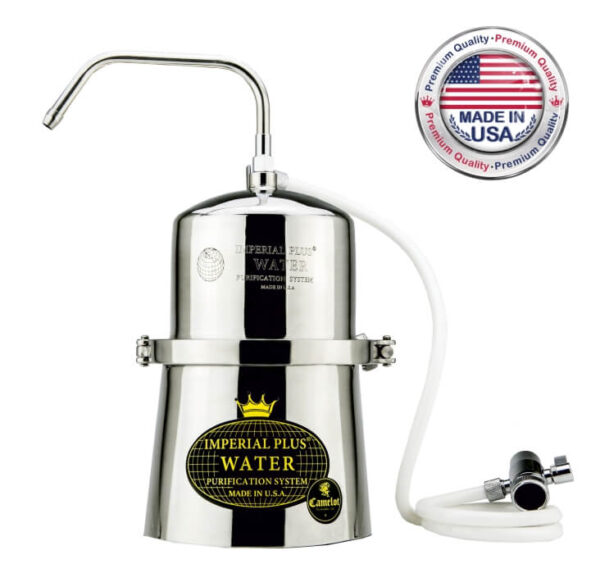
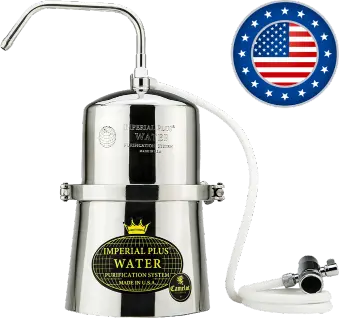
For the actual purity of water, the use of advanced purification systems that employ multiple stages of filtration is essential, such as the Imperial® and with 850-1200 grams of active pharmaceutical carbon that also have afiltering pore size from 0.1 to 0.4 microns. These systems can remove all chemical pollutants, including heavy metals, microbiological agents, and organic chemicals, and provide certified N.S.F. clean hygienic filtered water.
🥗 They cannot be used for washing food
Washing food, such as fruits, vegetables, meat, or fish, requires a continuous flow of clean water to remove contaminants, pesticide residues, and potential bacteria. However, filter pitchers are designed to provide small amounts of filtered water and are not connected to the tap, resulting in:
- The filtration rate is very slow: Most pitchers take several minutes to filter even 1 liter of water. If someone tries to fill a basin with filtered water to wash food, the process will take excessively long.
- The capacity is limited: The pitchers have a capacity of 1 to 3 liters, so if we need to wash a large amount of food, we will have to fill and re-filter the water several times.
- Absence of water pressure: Pitchers do not provide the flow and pressure required for the effective removal of contaminants from food, as is done with running tap water.
Due to these restrictions, washing food with water from a filtered pitcher is particularly time-consuming and impractical.
🍲 They cannot be used for cooking
In addition to washing food, filter pitchers are also not suitable for cooking, as they cannot provide the amounts of water required for food preparation.
- The required amounts of water for cooking are large: For boiling pasta, preparing soup, or cooking rice, 2-5 liters of water are often needed. An average filtered pitcher has a capacity of 1-3 liters, which means we will have to filter water several times until we have enough for the meal.
- Filtering is slow and time-consuming: If someone wants to filter 4-5 liters of water for cooking, the process can take 30 minutes or more, depending on how quickly the pitcher filter works.
- Interruption in the cooking process: Because there is no continuous supply of filtered water, one may need to wait quite a while for the pitcher to refill and for the next amount of water to be filtered.
This practice is exhausting and ineffective, especially for families or individuals who cook large quantities of food.
⌛ We cannot filter large amounts of water – the process takes hours
If someone wants to use only filtered water from a pitcher for their daily needs, they will find that this is almost impossible due to the very slow filtering rate.
- Most pitchers filter about 0.3 to 0.5 liters of water per minute, which means that to filter 5-10 liters of water, it takes at least 30-60 minutes.
- If we try to filter an even larger amount for washing food, cooking, and consumption, the process can take many hours, making the pitchers unsuitable for these types of needs.
This problem becomes even more pronounced when there are multiple needs in the household, such as drinking water for the whole family, cooking, and washing food..
⚠️ Possible contamination risk
Another reason that filtering pitchers cannot be used for washing food is the risk of cross-contamination. If someone attempts to pour filtered water from the pitcher directly onto fruits, vegetables, or meat, there is a possibility that the water may come into contact with non-sterile surfaces or return to the pitcher with contaminants.
Additionally, if the pitcher is not cleaned regularly, bacteria or mold can develop inside it, especially in the filter area. This can have negative consequences for food safety, as the filtered water may no longer be as clean as it is supposed to be.
Beyond all this, the filtration that takes place is inadequate since it does not remove all pollutants, and those it does remove are simply reduced. Thus, it does not solve the problem of the purity of our water.
✅ Conclusion
The pitcher filters are a cheap solution for a slight improvement in the taste and smell of water. However, their limited capabilities mean that they cannot provide any protection from a wide range of contaminants present in tap water, thus offering us nothing for our health protection. They also cannot be used for washing food, cooking, or filtering large quantities of water. The limitations in capacity, the slow filtration process, and the lack of continuous flow make pitchers impractical for these tasks. Purification systems such as the Imperial® by Camelot® are the right choice as they ensure greater convenience, speed, and efficiency in daily water use. It is important to be properly informed and to choose the appropriate filtration systems, thus ensuring our health and well-being.