

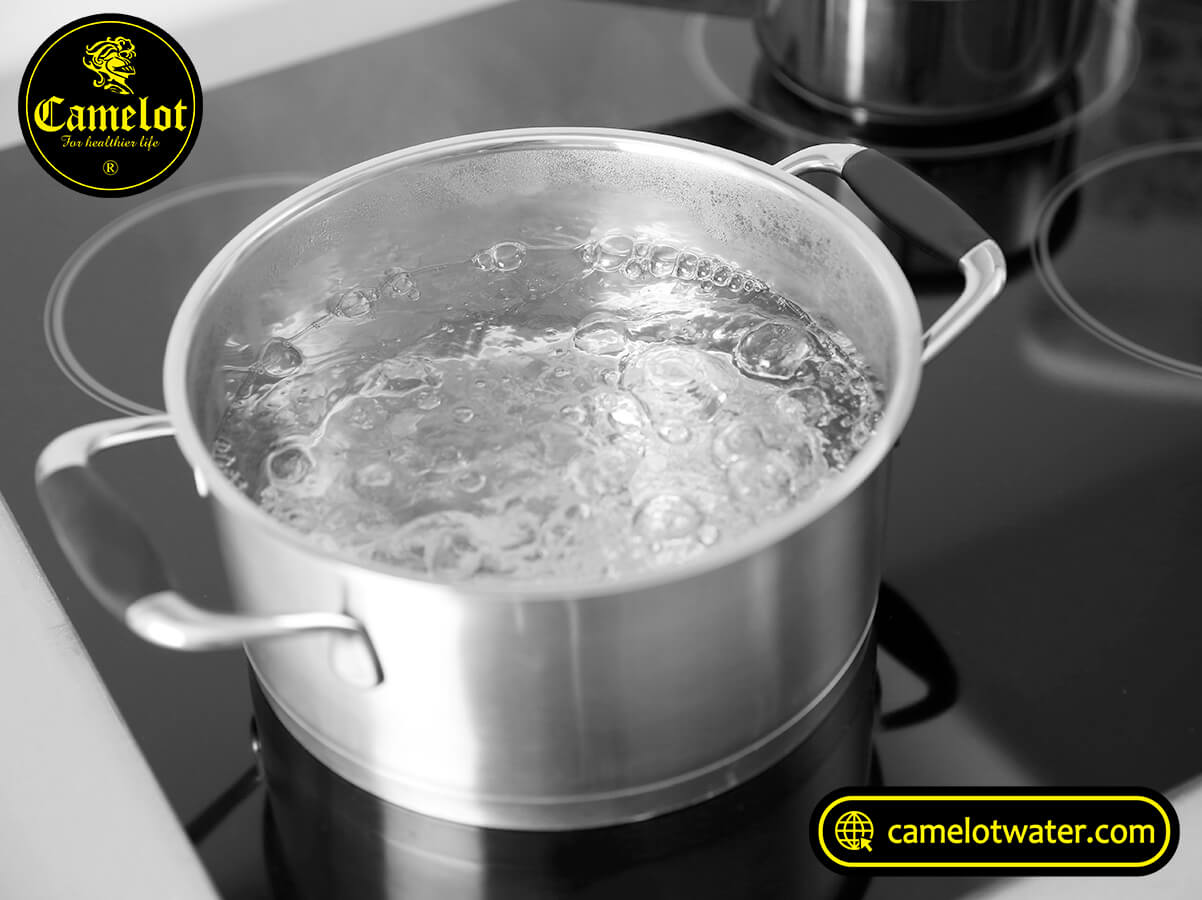
🔥 Can we purify water by boiling it?
No. Boiling water cannot clean it from asbestos fibers, lead, various hazardous chemicals such as pesticides, etc.
Boiling makes the pollutants more concentrated and dangerous precisely because we are evaporating part of the water. Boiling only kills the bacteria that are not heat-resistant while it does not kill those that are heat-resistant.
🏺 Boiling as a traditional method
Boiling water is one of the most well-known and traditional methods of disinfection. It has been used since ancient times to destroy microorganisms that can cause diseases.
Although boiling is effective in killing many bacteria and viruses, it is not a cure-all for cleaning water from all forms of pollution.
🚫 The Limitations of Boiling
☠️ 1. Asbestos, Lead and Other Metals
Asbestos fibers, lead, and other heavy metals are not removed by boiling. These substances are inorganic and do not evaporate. On the contrary, the boiling process can concentrate them even more, making the water more dangerous for consumption. Additionally, lead, when consumed repeatedly even in very small amounts, has been linked to neurological disorders, particularly in children.
🧪 2. Chemical Pollutants
Boiling is not effective in removing chemical pollutants, such as pesticides, industrial chemicals, and other organic substances. Many of these chemicals have high boiling points and do not evaporate with water, making their removal impossible with this method. Especially the disinfection by-products (DBPs) formed from the reaction of chlorine with organic matter, such as trihalomethanes, are thermally stable and potentially carcinogenic.
⚠️ 3. Pollutant Concentration
During boiling, water evaporates, but pollutants remain, increasing their concentration in the remaining water.
This means that if the water contains hazardous substances, they will become even more concentrated and more dangerous. This is particularly concerning in areas with a compromised water supply network or aging pipes.
🦠 4. Resistant Bacteria
Although boiling kills many bacteria and viruses, it is not effective against all microorganisms. Some bacteria, such as spores, are heat-resistant and can survive even at high temperatures. An example is the bacterium Clostridium perfringens, whose spores require much higher temperatures for complete inactivation.
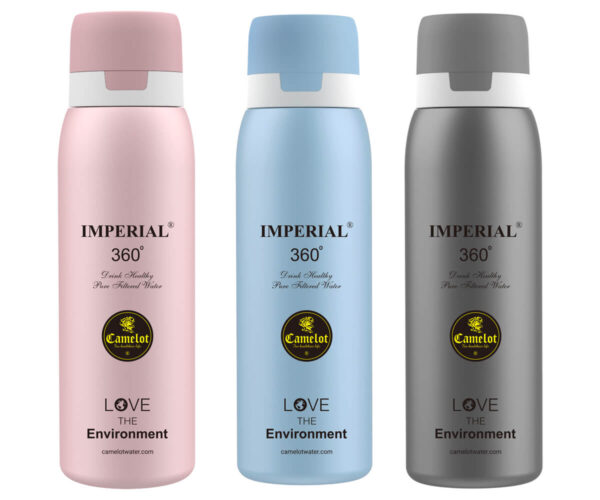
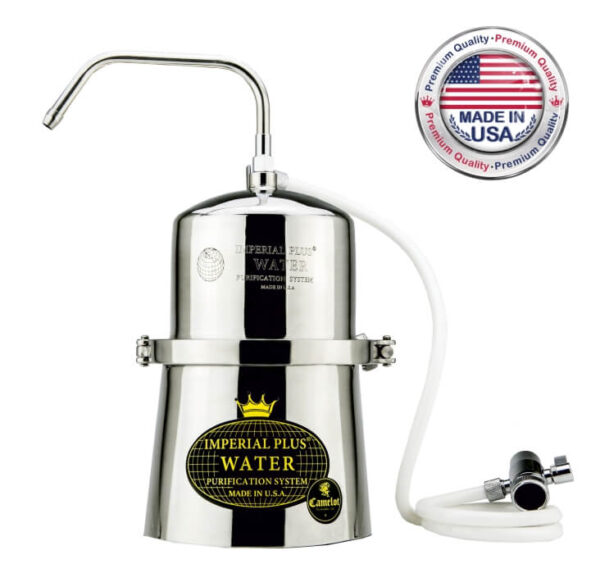
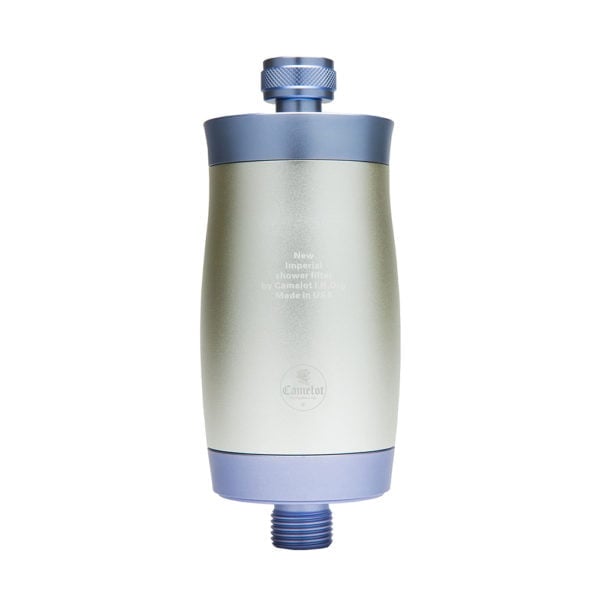
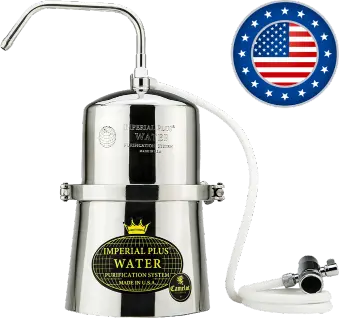
💧 The Ultimate Solution: Certified Imperial® Filters by Camelot®
Given the limitations of boiling, it is important to install a certified and reliable system, such as the Camelot® Imperials, which remove:
- ✅ 100% of all chemicals
- ✅ Heavy metals
- ✅ Microorganisms
These filters are specially designed to retain harmful substances, providing running, safe, healthy water for consumption and offering:
Environmental protection
Comfort
Health
Economy