

🏠 What are the reasons we don’t have central water supply filters?
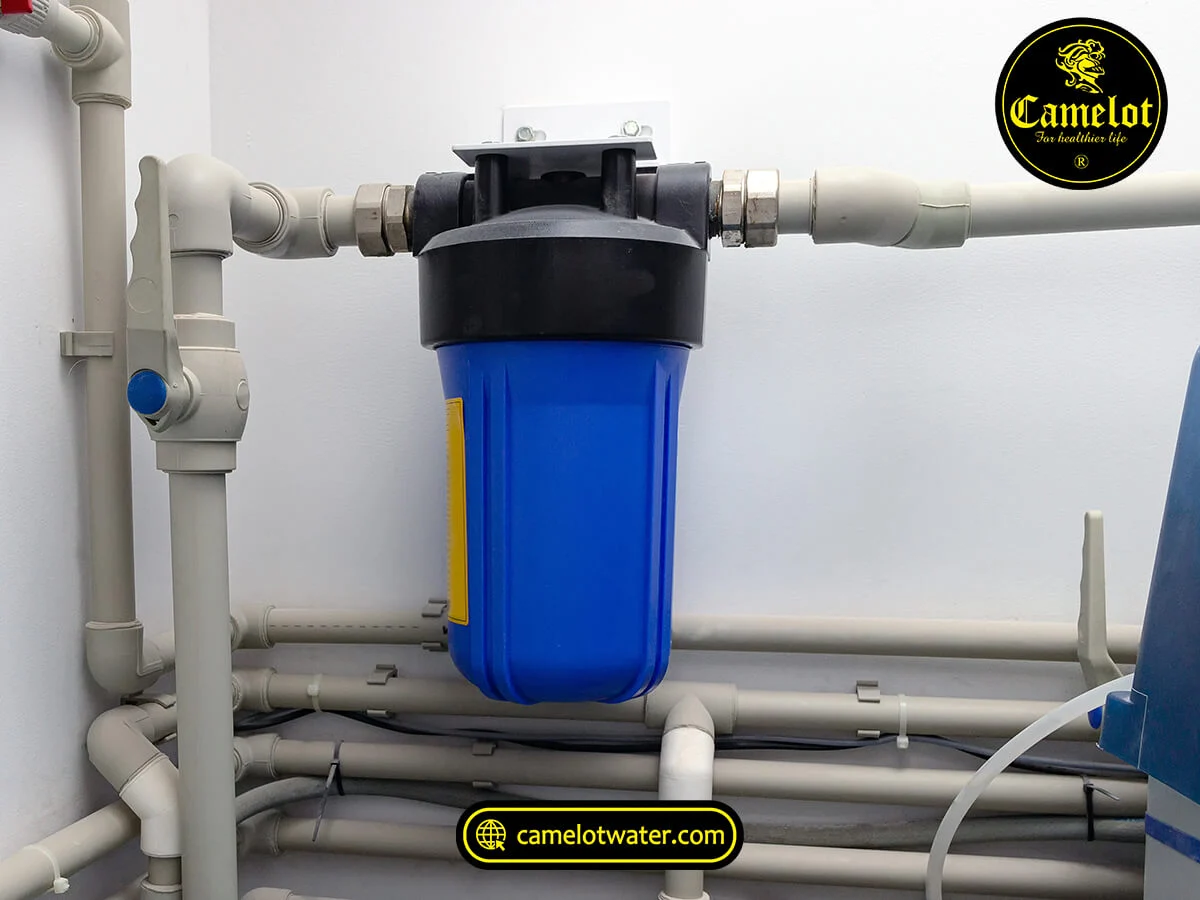
Choosing the right water filtration system is vital for ensuring the quality and sanitation of the water we consume. As a company, we have chosen to not offer central supply water filters for several important reasons. These reasons relate to the recontamination of water, the development of pathogenic microorganisms, the potential contamination with chemical pollutants from the pipes, and the necessity to filter the water at the final outlet.
Let’s examine these reasons in detail.
🔁 Water Recontamination
One of the main reasons we avoid central water supply filters is the recontamination of water. When water is initially filtered at the central supply, it travels a distance through the pipes before reaching our tap. During this journey, the water is recontaminated by various pollutants, such as microorganisms and chemicals present in the pipes. This nullifies the initial filtration and the water becomes dangerous and unsafe for consumption.
🦠 Development of pathogenic microorganisms
The use of chlorine in the central supply water is a common practice for disinfection and preventing the growth of pathogenic microorganisms. However, when chlorine is removed during the filtration process in the central supply, the water remains unprotected. As the water travels through the pipes, there is growth of bacteria and other pathogenic microorganisms.
The presence of such microorganisms in drinking water is extremely dangerous to the health of consumers.
🧪 Chemical pollutants in the pipes
Another serious problem with central supply filters is the recontamination of water with chemical pollutants. The pipes, especially the old or poorly maintained, can release various chemicals into the water, such as:
- Laminators
- Lead
- Other heavy metals
These substances can originate either from the composition of the pipes themselves or from external pollutants that infiltrate the network.
These chemical pollutants are extremely harmful to health, and their consumption through drinking water can cause serious health problems.
🚰 The necessity of good filtration at the final output
Considering the above risks, it is clear that certified water filtration must be done at the final outlet, that is, at our kitchen faucet.
Filtering at the tap ensures that the water we consume is constantly clean and safe at the moment of use. In this way:
- Reinfection from the pipes is avoided
- Microorganism growth is inhibited
- Exposure to chemical pollutants is reduced
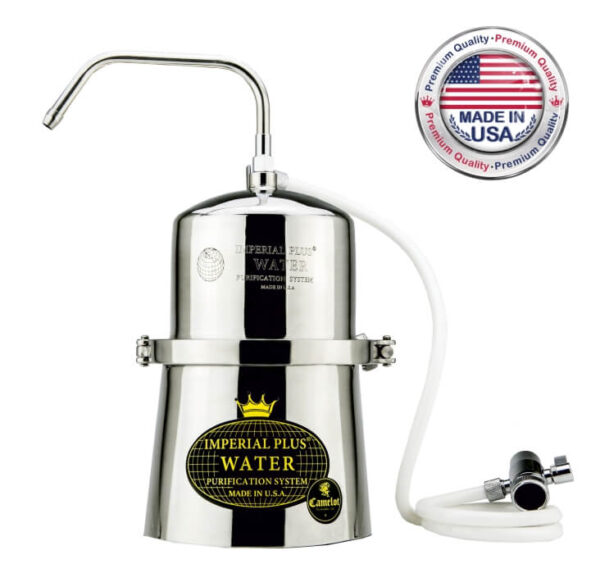
The certified faucet filters are specially designed to remove unwanted substances from the water just before it is consumed.
Thus, the water remains clean and fresh, maintaining its quality.
Additionally, faucet filters are easier to maintain and replace, as the user can directly check their condition and replace them after one year of use.
🧾 Conclusion
The choice to not provide central water supply filters is based on well-documented reasons related to safety and water quality. Recontamination of water, the development of pathogenic microorganisms, and pollution with chemical contaminants are risks we cannot ignore.
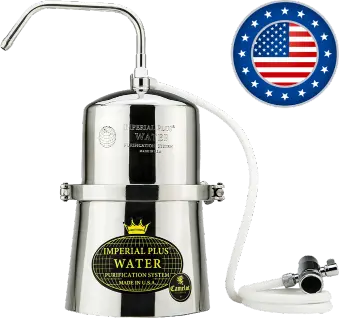
Therefore, we recommend the installation of our certified filters such as the Imperial® at the final water outlet, that is, at the kitchen faucet, to ensure that the water we drink is always clean and safe.
It is important to keep in mind that the quality of drinking water is one of the most critical factors for our health.
As a company specializing in water quality and prevention, our priority is to provide solutions that ensure the best possible water quality for our consumers.
The installation of certified filters on the kitchen faucet is the most safe and effective method to achieve this goal.
📚 Sources